
The Essence of Isolation in Japanese Noise
Japanese noise music, with its intense and abrasive sounds, finds a curious parallel in the theme of solitude. This avant-garde genre is deeply rooted in personal sound exploration, reflecting an internal state that resonates deeply with listeners. In Japan, noise transcends auditory experiences, becoming a dialogue with solitude.
Historical Context: Noise and Solitude
In the late 1970s and 1980s, Japanese noise music emerged during a period of rapid technological and economic change. This transformation led to feelings of alienation, providing fertile ground for artists to explore isolation through sound. Pioneers like Merzbow captured the chaotic energy of a society in flux, while Keiji Haino explored more introspective aspects of noise.
Japanese noise artists often work alone, crafting their soundscapes in isolation. This solitary creation process is intrinsic to the genre, where personal introspection and expression take precedence over commercial appeal.
Solitude in Sonic Texture
The texture of Japanese noise is unique, often incorporating ambient, drone, and field recordings. These elements create an immersive soundscape that evokes solitude. By using unconventional instruments and techniques, artists build layers of sound that can be both meditative and unsettling, reflecting the dual nature of isolation.
- Ambient Noise: Ambient soundscapes allow noise artists to create expansive auditory spaces, inviting listeners to explore their inner landscapes.
- Drone Elements: Sustained tones and minimalistic compositions in drone music emphasize the passage of time, a key component of experiential isolation.
- Field Recordings: Capturing everyday sounds blurs the line between music and environment, enhancing the feeling of being alone in a vast world.
These elements form a cohesive experience that is both deeply personal and universally relatable. The interplay of sound and silence in Japanese noise music creates a dialogue with the listener, steeped in introspection and solitude.

The Role of DIY Culture and Cassette Labels
DIY culture and cassette labels have been vital in the evolution of Japanese noise music. The DIY ethos allows artists to maintain creative control and express individuality without mainstream constraints. Cassette labels have preserved the raw, unfiltered nature of noise music, often releasing limited editions that prioritize artistic integrity.
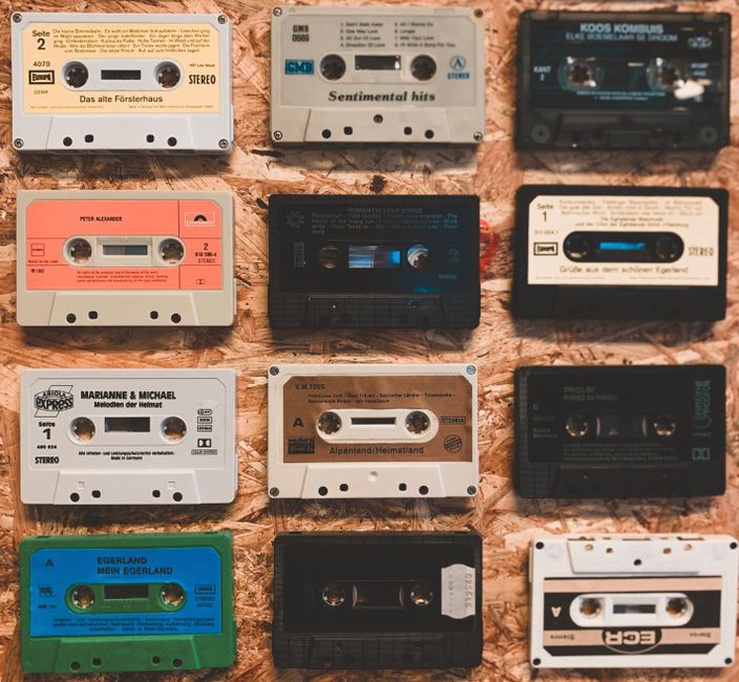
The cassette format, with its lo-fi aesthetic and tangible nature, complements themes of isolation and solitude. It offers a personal listening experience, demanding attention and engagement from the listener. The tactile interaction with a cassette tape, coupled with its imperfect sound quality, enhances the intimate connection between artist and audience.
This intimate connection is further explored in our article on The Ferric Foundation: Why Type I Tape Rules Japan’s Noise Underground, where the significance of cassette tapes in the noise community is discussed in detail.
Isolation as a Creative Force
For many artists, solitude is not a hindrance but a source of inspiration. It allows for deep self-exploration, unfettered by external influences. This introspective approach is evident in the works of artists who choose to remain in the shadows, letting their music speak volumes.
In this context, isolation is not just a theme but a catalyst for innovation. It encourages artists to push boundaries, explore unconventional methods, and challenge the definition of music. The result is a genre that is constantly evolving, driven by the unique perspectives of those who embrace solitude as a creative companion.
The Future of Japanese Noise and Solitude
As global connectivity increases, the themes of isolation and solitude continue to resonate with artists and listeners. Japanese noise music, with its rich history and innovative spirit, will undoubtedly continue to explore these themes, offering new interpretations and experiences. The genre stands as a testament to the power of sound as a medium for introspection and connection, bridging the gap between the isolated artist and the engaged listener.