
Walk into any second-hand electronics shop in Tokyo’s Akihabara or Osaka’s Den Den Town, and you will find bins of used cassettes priced at 10–50 yen each. The vast majority are Type I (ferric) tapes — TDK D, Sony HF, Fuji DR, Maxell UR. These are not audiophile relics. They are the workhorses of the Japanese noise underground, chosen not despite their limitations but because of them. Understanding why Type I tape persists in a scene that prizes control over every sonic parameter reveals a logic that runs counter to mainstream hi-fi thinking.
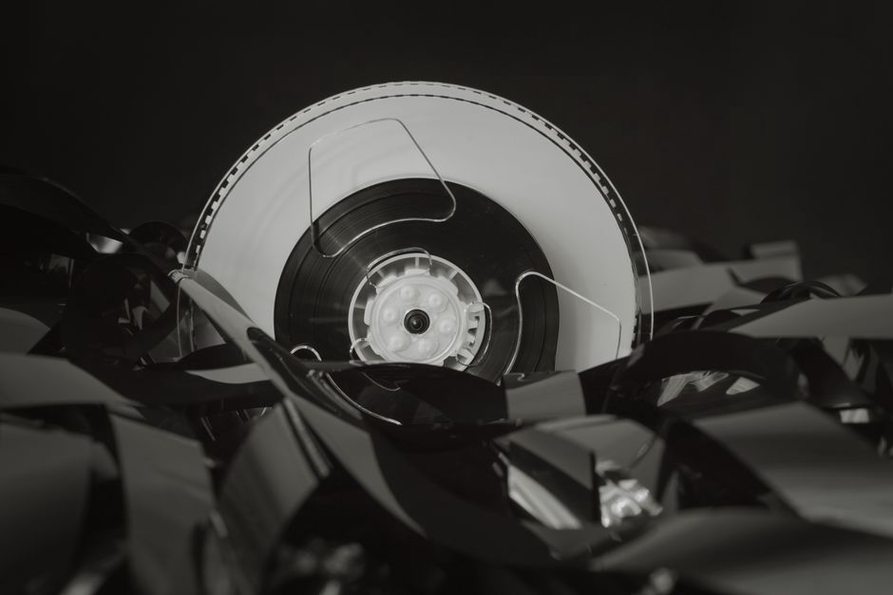
What Type I Tape Actually Does to Sound
Type I cassettes use gamma-ferric oxide (Fe₂O₃) as the magnetic coating. Compared to Type II (chrome/CrO₂) or Type IV (metal), ferric tape has a lower maximum output level (MOL) and higher distortion at moderate recording levels. For a classical recording engineer, this is a flaw. For a noise musician, it is a tool. The tape begins to saturate at levels that would be clean on a chrome tape, adding a gradual compression and a slight high-frequency roll-off. This saturation is not a clean limiter — it introduces harmonic distortion that interacts with the source signal in unpredictable ways, especially when the tape is reused or degraded.
Field recording practitioners in the Japanese underground often exploit this by recording hot into a portable cassette deck like the Sony TCM-5000 or the Marantz PMD series. The resulting recordings carry a low-end thump and a gritty top end that cannot be replicated with digital plugins. The effect is not a static EQ curve; it shifts with the dynamics of the source material, making each playback slightly different. This variability is part of the appeal — the tape becomes an active participant in the sound.
Cost and Availability: The DIY Economics
Type I tapes have always been cheaper to manufacture than chrome or metal. In the 1980s and 1990s, when the Japanese noise scene was coalescing around small-run cassette releases, the price difference was decisive. A C60 Type I blank cost roughly half of a Type II and a third of a Type IV. For a label pressing 30 copies of a release, that saving mattered. Even today, NOS (new old stock) Type I tapes can be found for 100–200 yen per tape, while unused Type II or metal tapes command collector prices of 500–2000 yen or more.
Beyond cost, the abundance of used Type I tapes in Japan created a culture of recycling. Musicians would buy bulk lots of discarded language-learning tapes or old mixtapes, erase them with a bulk demagnetizer, and record over them. The residual magnetic imprint from previous recordings often bleeds through, adding a layer of ghostly noise that becomes part of the composition. This practice is not about saving money alone — it is an aesthetic choice that aligns with the scene’s embrace of decay and impermanence.
Why Not Chrome or Metal?
Type II and Type IV tapes offer higher dynamic range, lower noise, and a flatter frequency response. For a genre that often pushes signals into distortion, these qualities are counterproductive. Chrome tape’s higher bias point means it takes more level to reach saturation, and its distortion curve is different — more abrupt, less musical to the ears of many noise practitioners. Metal tape, with its extremely high coercivity, requires a deck with a dedicated metal tape setting and often results in a sterile sound that lacks the tactile grit of ferric.
There are exceptions. Some ambient and drone artists in the scene use Type II for cleaner field recordings, then mix them with heavily saturated Type I layers. But the core of the underground — the raw noise releases, the harsh wall projects, the lo-fi electronics — remains anchored to ferric. The choice is not a compromise; it is a deliberate refusal of fidelity in favor of character.

Practical Considerations for Collectors and Musicians
- Deck compatibility: Most vintage portable and home cassette decks handle Type I tape without any switch settings. Type II and IV require a tape selector (CrO₂/Normal/Metal). Using a Type I tape in a deck set to Type II will over-bias the recording, resulting in dull, muffled playback. Always confirm the deck’s bias setting before recording.
- Storage and degradation: Ferric tape is more susceptible to print-through and magnetic decay over time than chrome or metal. Store tapes in a cool, dry environment away from magnetic fields. A tape recorded 30 years ago on a cheap Type I may have lost high frequencies or developed a steady hiss that is now inseparable from the music.
- Bulk erasing: If you plan to reuse old tapes, use a bulk eraser (e.g., a degaussing coil) rather than recording over the existing signal. The erasure is more complete and reduces the chance of residual modulation. However, many noise musicians prefer the partial erasure for its ghostly artifacts.
- Labeling: Type I tapes often lack the write-protect tabs found on higher-grade cassettes. Check the cassette shell before recording; some budget ferric tapes have no tabs, meaning the erase head is always active. You can disable it by inserting a piece of tape over the erase window, but be careful not to damage the mechanism.
The Ferric Aesthetic in Practice
To hear the difference, compare a field recording of a rainstorm made on a Type I tape at moderate level versus the same recording made on a Type II. The ferric version will have a slightly compressed dynamic range, a warm midrange bump, and a gentle fuzz on the loudest raindrops. The chrome version will sound more transparent, but also more sterile. In the context of a drone piece layered with feedback and contact microphone signals, the ferric version sits in the mix more naturally — it does not fight for space; it merges.
This is not a recommendation to abandon digital recording. Many contemporary musicians in the Japanese underground record digitally and then dub to Type I tape for the final master, printing the tape saturation onto the mix. The process is analogous to using a tape saturation plugin, but with a physical unpredictability that no algorithm can fully emulate. The choice of which tape formulation to use is as deliberate as the choice of microphone placement or amplifier gain.
For collectors, the tape type is a clue to a release’s production context. A cassette issued on a tiny label in the early 1990s is almost certainly Type I — the label could not afford chrome. A later reissue on a European label might use Type II or be a CD-R. The original tape’s sonic signature is part of the artifact’s authenticity. Understanding the ferric foundation helps decode why certain recordings sound the way they do, and why some are nearly impossible to transfer to digital without losing their character.
If you are running a cassette label in the Japanese noise underground, the decision to use Type I tape is not about nostalgia. It is about maintaining a sonic consistency that listeners who grew up on those early releases expect. The economics are still favorable — a batch of 50 C60 Type I tapes can be sourced for under $50. The logistics of running such a label require attention to tape sourcing, duplication workflow, and packaging, but the medium itself remains the most accessible way to distribute noise music without compromising its core texture. Next time you find a battered ferric cassette at a flea market, listen to what its cheap oxide layer actually does — the hiss, the compression, the ghost of a previous recording. That’s exactly what the underground has built its sound on.