
Japanese noise performance, a genre celebrated for its raw energy and auditory chaos, thrives on improvisation. This approach, marked by unpredictability and spontaneity, is essential to the unique soundscapes crafted by artists in this scene. Unlike traditional music, noise performances embrace the unplanned, turning each live event into a distinct auditory adventure.
The Essence of Improvisation
In the realm of Japanese noise, improvisation transcends technique; it embodies a philosophy that fuels sound creation. Artists embark on a constant journey of experimentation, employing both conventional instruments and unconventional objects. From electronic devices to everyday items, anything capable of producing sound is utilized. This open-mindedness encourages performers to push the boundaries of music, often merging sound with noise.
Historical Context
The origins of improvisation in Japanese noise trace back to the avant-garde movements of the 20th century, where artists sought liberation from traditional musical constraints. Influenced by Western experimental music and native forms of expression, a unique noise culture emerged. Pioneers like Merzbow and Hijokaidan embraced improvisation as a fundamental aspect of their performances, setting the stage for future artists.
Techniques and Tools
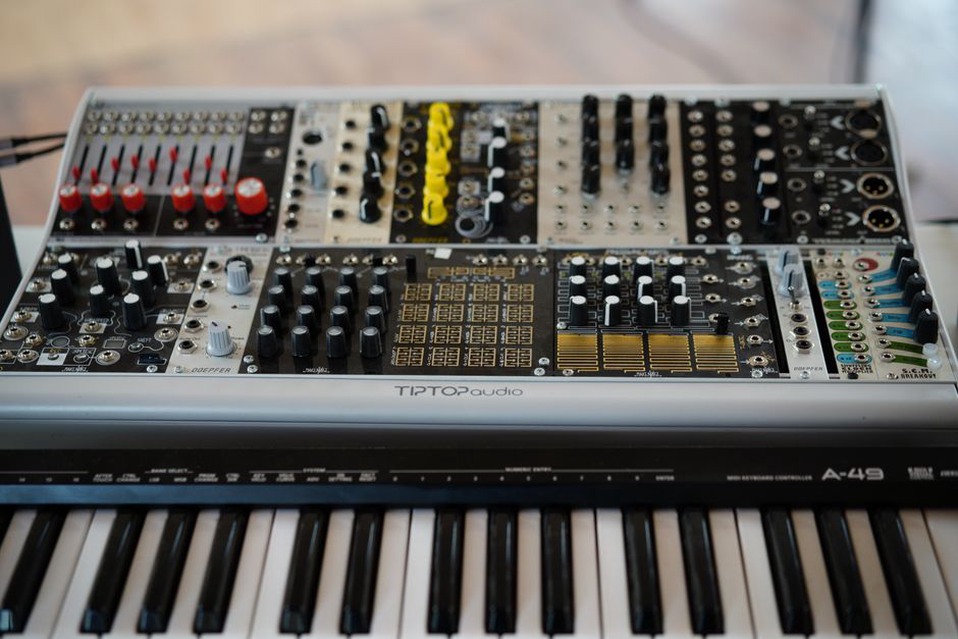
The instruments of improvisation in noise music are as varied as the sounds they create. Artists frequently use modular synthesizers, circuit-bent electronics, and custom-built devices, each contributing to the unpredictability of the performance. Techniques such as feedback loops, distortion, and unconventional playing styles further amplify the chaotic nature of the soundscape. These components work together to create an immersive experience where the audience becomes part of the performance.
- Modular Synthesizers: Provide endless opportunities for sound manipulation, enabling artists to spontaneously craft intricate textures.
- Feedback Loops: Generate self-sustaining sounds that evolve, adding complexity to performances.
- Found Objects: Everyday items are transformed into instruments, reflecting the genre's DIY spirit.
Live Performance Dynamics
Japanese noise improvisation reaches its peak during live performances, where the interaction between artist and audience is crucial. These events are often marked by immediacy and visceral energy, with artists reacting to the environment and crowd responses. This dynamic exchange can lead to unexpected changes in tone and intensity, ensuring each show is a singular experience.
Audience reactions can significantly influence a performance's trajectory, prompting artists to adapt their approach spontaneously. This reciprocal communication creates a feedback loop that enriches the experience, drawing the audience into the creative process.
The Role of Technology
Technological advancements have broadened the scope for improvisation in noise music. Digital tools and software allow artists to manipulate sound in real-time, offering new opportunities for exploration. Yet, the core of improvisation remains intact, with technology serving as an aid rather than a replacement, supporting the artist's creative vision.
Despite the digital era, many artists continue to favor analog equipment and handmade devices, appreciating their tactile and unpredictable qualities. This blend of old and new technologies highlights the genre's dedication to innovation while respecting its origins.

Improvisation as a Cultural Expression
Beyond its technical elements, improvisation in Japanese noise acts as a cultural expression, addressing broader societal themes. The genre frequently explores topics like consumerism, environmental issues, and the alienation of modern life. By embracing chaos and unpredictability, noise artists provoke thought on the complexities of contemporary existence, challenging audiences to rethink their perceptions of sound and music.
This cultural aspect is evident in various noise artifacts, such as the mix003 spectra pantheo, which captures the essence of Japanese noise as both an auditory and cultural phenomenon. Similarly, the mysterious nature of archives like Tesco 6 reflects the genre's resistance to categorization and its embrace of enigma.
Ultimately, improvisation in Japanese noise performance showcases the power of creativity and the human spirit's quest to explore the unknown. By venturing into uncharted sound territories, artists invite listeners to experience something that defies conventional boundaries and challenges the very definition of music.