
A Japanese ambient release can begin with a short cassette run, a hand-assembled sleeve, and a digital page uploaded by the artist rather than a conventional label campaign. That modest infrastructure is part of the work itself. For musicians working with sustained tones, room recordings, tape damage, environmental sound, and near-silence, DIY practice often shapes how music is made, circulated, and preserved.
Here, “DIY” does not mean every artist records alone at home or rejects institutions. It refers to practical choices: retaining control of recordings, using inexpensive or adaptable formats, sharing work through small networks, putting on occasional listening events, and keeping distribution close enough to respond to changing needs. In Japan, these practices meet a long history of independent labels, cassette exchange, experimental performance, and artist-run activity. What emerges is not one unified scene, but a shifting set of working methods.
DIY as infrastructure rather than an aesthetic
Ambient music is often reduced to a mood category: calm, soft, decorative. That leaves out much of the work made under the term. Japanese independent ambient may involve processed acoustic instruments, unstable loops, field recordings, electronics, drone, electroacoustic editing, or pieces whose quietness requires close listening. DIY culture makes room for this range by reducing the pressure to fit a fixed commercial identity.
A self-released edition, a micro-label, or a digital release can let a work keep its awkward durations, low-level dynamics, or format-specific structure. A forty-minute tape piece built around gradual degradation does not need to be reshaped for streaming habits. A release tied to a particular location can include context rather than being sold as generic “Japanese nature sounds.” Control over presentation can matter as much as control over the audio.
DIY also has limits. It does not automatically mean independence, fairness, or artistic value. A small edition can become needlessly inaccessible; a private online network can shut out newcomers; sparse documentation can make a release nearly impossible to trace. The useful meaning of DIY lies in concrete forms of agency, not romantic ideas about scarcity or isolation.
Formats shaped the network
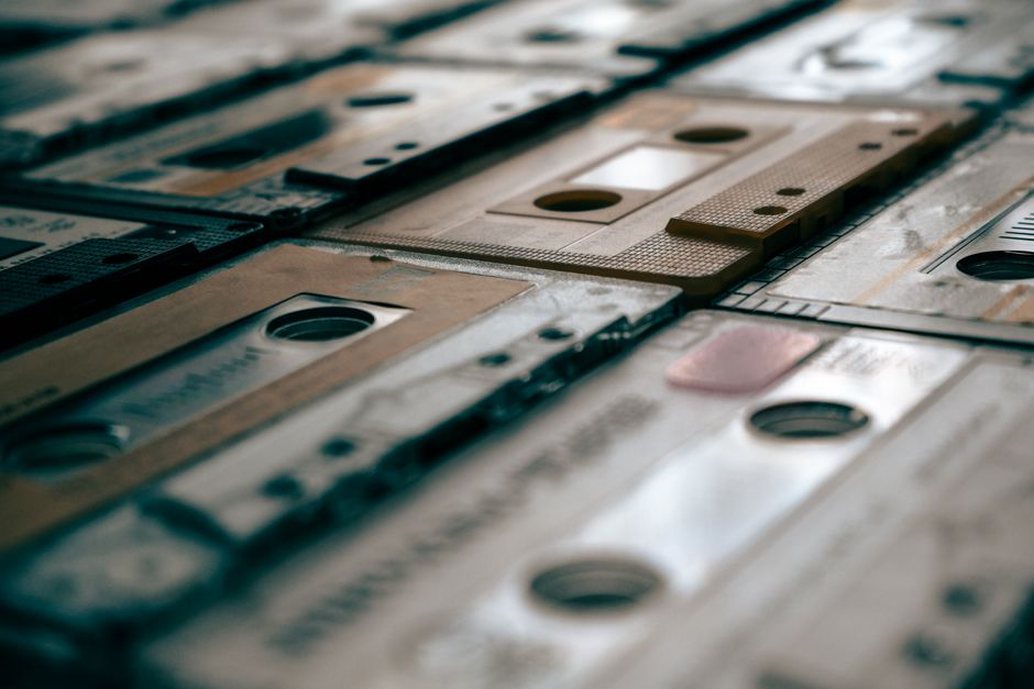
Cassettes remain important in experimental and ambient circulation because they can be duplicated affordably in small quantities, take up little space, and suit durational listening. Their limitations can enter the composition. Tape hiss, uneven transport, repeat playback, and the two-sided form can shape work that behaves differently as a digital file.
Cassette culture is not the whole of DIY activity. CD-Rs, handmade objects, small-press booklets, downloads, and streaming pages serve different purposes. Digital publication can make a release audible outside local circles almost immediately, while a physical edition gives listeners a lasting object and may help cover basic production costs. Artists and labels often use both, weighing access against the work of making and mailing objects.
| Format or channel | What it can support | Common constraint |
|---|---|---|
| Cassette | Small editions, side-based sequencing, tactile design | Duplication time, mechanical variation, postage |
| CD-R | Long-form works and inexpensive physical circulation | Fragility and limited playback hardware |
| Digital release | Fast distribution, global listening, flexible duration | Weak metadata and platform dependence |
| Artist-run event | Contextual listening and direct exchange | Venue costs, scheduling, accessibility |
The point is not nostalgia for obsolete media. Each format asks something different of the work. Is it meant to be heard continuously? Should the listener handle an object? Can contextual text travel with the sound? Can credits be updated or mistakes corrected? DIY scenes are strongest when format is treated as a practical and aesthetic choice, not a badge of authenticity.
Small labels as editorial work
Independent labels in this field do more than make objects. At their best, they provide editorial attention: placing releases in relation to one another across a catalog, preparing legible credits, making or commissioning artwork, communicating with artists, and offering listeners a recognizable frame without imposing a narrow identity. That work can connect musicians who might otherwise appear as isolated uploads.
This matters especially in ambient music, where sonic resemblance can hide major differences in method. A piece assembled from field recordings carries different claims and responsibilities than a synthesizer improvisation, even if both sound quiet and spacious. Useful notes can identify locations when appropriate, name instruments and collaborators, distinguish raw recordings from processed material, and avoid inventing grand narratives around an artist’s background.
Catalogs can also serve as informal archives. A release page with a date, track list, personnel, format, artwork credit, and brief production note offers future listeners more than a filename. That becomes important when social-media posts disappear, online shops close, or an artist changes platforms. The broader issues of small-format circulation are explored in Cassette Networks and the Hidden Collaborations of Japanese Noise, including the collaborative links that can develop around physical exchange.
The labor behind a “small” release
DIY is sometimes described as immediate, but the work is slow. Someone has to test masters, duplicate tapes or burn discs, cut inserts, pack orders, answer messages, track inventory, and keep records. When one artist handles all of this, irregular release schedules often have ordinary causes: paid work, care responsibilities, venue work, or the time needed to make an object carefully.
For listeners and collectors, recognizing that labor changes how limited editions are understood. A short run is not necessarily an attempt to manufacture rarity. It may simply be what an individual or small group can afford to produce, store, and mail without unacceptable risk. Labels can still reduce exclusion by keeping a digital version available, documenting sold-out releases, and avoiding deliberately opaque sales practices.
Listening spaces and temporary communities
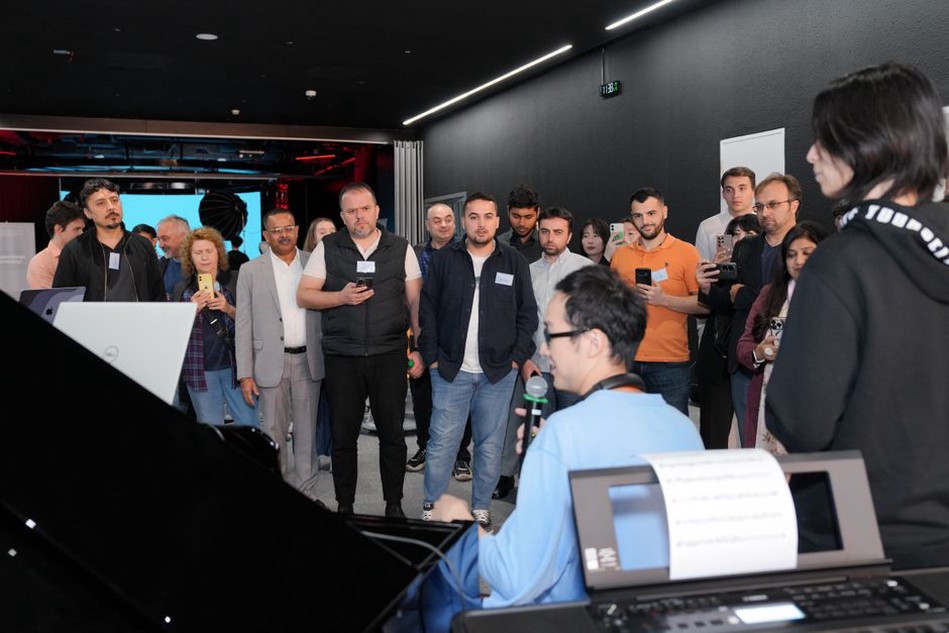
Ambient music does not require one kind of venue. Small galleries, cafés, bars, studios, record shops, community spaces, and multipurpose rooms can all host performances or listening sessions. Their scale can encourage careful programming: fewer performers, longer sets, less audience chatter, and attention to how ventilation, street noise, or speaker placement changes the sound.
These gatherings are not automatically intimate or ideal. A cramped room may be inaccessible; a low budget can place too much unpaid labor on organizers; late-night scheduling can limit who is able to attend. Artist-run culture lasts longer when practical conditions are addressed: clear entry information, transparent fees, credit for technicians and visual contributors, seating where possible, and consent around recording or photography.
An event can become part of how an ambient work is received. A nearly silent passage is never heard in a vacuum: footsteps, traffic next door, audience movement, and room reverberation enter the experience. That does not make every accidental sound artistically meaningful. It does mean that performances should not be treated as perfectly sealed studio objects.
Tools, access, and the myth of technical purity
Affordable recorders, portable microphones, used effects units, computers, modular equipment, acoustic instruments, and consumer tape machines coexist in Japanese DIY ambient practice. No tool guarantees a particular aesthetic. An expensive device can produce generic results, while an inexpensive recorder can capture material of lasting interest when used with care and attention to context.
The better question is how a tool shapes decisions. A handheld recorder invites mobility but may exaggerate handling noise and wind. A tape loop introduces duration and mechanical variation. A laptop allows complex editing but can invite endless revision. A small mixer can turn domestic objects into feedback sources, though it also calls for restraint: high volume and uncontrolled feedback can damage hearing and equipment.
- Keep a session log: note dates, locations, signal paths, processing, and collaborators while details remain clear.
- Back up masters: retain uncompressed files and more than one copy before preparing release formats.
- Credit accurately: distinguish performance, recording, editing, artwork, mastering, and label work.
- Handle field recordings carefully: consider privacy, permissions, and whether identifying a place could cause harm.
- Test the intended format: listen to a cassette master on an actual deck or check a digital sequence on ordinary headphones as well as studio monitors.
These procedures can seem administrative, but they protect the work. Experimental music often depends on fragile processes: a temporary patch, changing weather, a malfunctioning device, or a room that will sound different tomorrow. Documentation does not remove uncertainty; it preserves enough evidence for the artist to understand what happened and for collaborators to receive proper credit.
From local exchange to dispersed audiences
Online platforms have widened the possible audience for Japanese DIY ambient, while changing how scenes are perceived. A listener abroad may encounter individual releases without seeing the local relationships behind them: shared bills, studio assistance, visual design, tape duplication, or years of informal exchange. Algorithmic tags can flatten these differences by grouping disparate work under ambient, experimental, or Japanese music.
That flattening has consequences. Listeners may consume place as atmosphere rather than attend to artists’ stated methods. It can also reward a narrow visual language of minimal covers and vague geographic branding. Better listening begins with available credits, titles, production notes, and catalog context. When information is missing, it should remain missing rather than become an excuse for speculation.
There is also a risk in treating DIY culture as proof that music exists outside economic realities. Independent artists still contend with rent, equipment costs, platform fees, shipping expenses, unstable venues, and the unequal visibility of large cities. Direct sales and small labels can redistribute some control, but they do not remove those pressures. Any critical account of the scene needs room for both resourcefulness and constraint.
How to approach releases without turning them into collectibles alone
Collectors can support small-scale work without reducing it to scarcity. Buying a physical edition is one option, not the only one. Attentive listening, preserving credits in a personal catalog, attending paid events when possible, and sharing accurate information can help a release remain legible after its first sales cycle. Avoid reposting music without permission, particularly when an artist has chosen limited or context-specific distribution.
For musicians planning a first self-release, a modest, documented plan is often the most durable place to begin:
- Define the work’s intended listening conditions and choose a format that serves them.
- Prepare clear credits, a date, track titles or movement labels, and concise production notes.
- Store the master and artwork files in at least two locations.
- Set a realistic physical quantity based on cost, storage, and mailing capacity rather than imagined demand.
- Leave a trace after the edition is gone: a catalog entry, a digital excerpt if appropriate, or an archive page with factual details.
Before duplicating or uploading, make one complete record containing the artist name, title, date, duration, format, credits, master-file location, and contact details. Save it with the audio master. Years later, that file may be the only reliable account of how the work entered circulation.