
The shop link in an old cassette-label profile is dead. Its description of the format is vague, and the last paragraph states an uncertain pressing detail as fact. Those problems need attention, but they do not necessarily call for a new article. First, mark what needs checking, what still helps a listener, and what has become difficult to use.
Archive work is editorial maintenance, not an attempt to make every page sound newly written. In a journal covering Japanese noise, ambient, drone and other experimental music, older writing may preserve an encounter that cannot be repeated: a performance heard in a particular room, or a cassette examined before its packaging was lost. The aim is to make that record more accessible without hiding the conditions under which it was made.
Decide what kind of change the page needs
Begin with an audit, not a rewrite. Open the published page as a reader would, then compare it with the draft, notes, photographs or physical release behind it. Record problems under three headings: accuracy, usefulness and presentation. Accuracy covers names, dates, credits, quotations and claims about editions. Usefulness asks whether the piece answers the question its title raises. Presentation includes broken formatting, unreadable captions and links that no longer reach their intended destination.
These distinctions keep a small defect from turning into an unnecessary overhaul. A dead reference may need a replacement, or a sentence rewritten around the evidence still available. A strong listening account with a misleading title may need only a better title and opening. But if a piece attributes a sound to an instrument without evidence, tidying its typography will not fix the claim.
| What you find | Proportionate response |
|---|---|
| A broken link in an otherwise sound article | Find the intended source, replace the link if it still exists, or remove the unsupported pointer |
| Missing context for a format or listening term | Add a brief explanation beside its first relevant use |
| A factual claim you cannot verify | Qualify, correct or remove it; do not substitute a plausible guess |
| A central premise contradicted by reliable evidence | Consider a substantial rewrite, a clearly labeled correction or a new article |
Before editing, give the page a one-sentence brief: “Keep the original listening account; verify the release details; explain why the tape’s two sides matter to the discussion.” If you cannot say what deserves to survive, the piece needs a fresh editorial decision rather than a routine refresh.
Protect what only the older article knows
Older criticism contains two kinds of information. There is the writer’s account of what they heard on a particular copy or at a particular performance. Then there are details that may change or prove mistaken: availability, artist credits, label status, format listings and historical context. Treat them as interchangeable, and a refresh can erase useful evidence.
Keep the original encounter on its own terms. If the writer heard a file through small speakers, do not quietly revise the prose as though it described a later vinyl pressing. A new recording of a work cannot retroactively change the room described in a performance review. Where necessary, add a distinction such as “in the recording reviewed here” rather than making a broad claim about the work’s fixed arrangement.
This matters with music that changes across formats or performances. A cassette may impose a pause between sides; a file may run continuously. A sustained tone may seem steady at one volume and reveal pulsing at another. Spell out those conditions without pretending the original writer heard every version. The discussion of rooms and formats in Listening to Japan’s Experimental Underground Across Rooms and Formats offers a related perspective, but the updated article still needs to name the format it actually describes.
Verify before expanding
Work from the claim, not from a search result
Highlight sentences that rely on information beyond the writer’s direct observation. What would establish each claim? A sleeve supports a printed credit, but does not necessarily prove who made an uncredited sound. A label description shows how a release was presented; its promotional language is not an independent critical judgment. A marketplace listing may help locate a title, though its edition details may be incomplete or copied from elsewhere.
Keep a small source log as you edit: the claim, supporting material, any conflict and the wording chosen for publication. Readers need not see it. The log helps prevent you from correcting a date in one paragraph while leaving the old date in a caption. When sources disagree, say only what the evidence allows. “The insert credits the recording to…” is more precise than turning an ambiguous insert into a definitive account of the session.
Do not add release years, pressing quantities, collaborators or equipment just to make a page feel complete. In a poorly documented cassette history, an honest gap matters. The prose should let readers tell a visible catalog number from an inferred chronology.
Separate correction from new interpretation
Correcting a misread name is not the same as developing a new view of a record. The first repairs the existing account; the second may call for a dated addition. A note such as “Updated to correct the sleeve credit and clarify the format reviewed” says what changed without making routine copy edits sound momentous. If an error shaped the argument, place a visible correction near the affected passage rather than silently replacing it.
New listening can enrich an older article, but identify it as new listening. If the writer revisits an archival recording years later, the difference between the two responses may be more revealing than a rewritten verdict that conceals it. A short dated paragraph can explain that the later hearing brought out a rhythmic detail missed the first time. It should not pass that detail off as part of the original review.
Make the existing piece easier to read and use
Once the claims are checked, read for order. Someone looking for a release’s sound should not have to get through several paragraphs of unexplained background before reaching an audible detail. Move material when its placement hides the point. Use headings for actual divisions—recording method, side-to-side structure, performance context—not simply because a stretch of text looks long.
Define specialist terms where they affect understanding. Experienced listeners may not need a glossary entry for “field recording,” but they may need to know whether a location recording became source material or ambient sound was captured during a live performance. Likewise, “drone” alone does not tell them whether movement comes from changing pitch, interference, texture or attention. Replace a broad label with a specific observation if the listening notes support one.
Give titles and openings their own pass. An older headline may promise a history of a whole scene when the article studies one performance. Narrow the promise rather than bolting on a hurried historical survey. If the opening repeats the title or delays the subject, bring forward a documented detail: the recording format, the central sonic contrast or the question the piece can answer. A careful review does not need to become a universal guide.
Check captions and accessibility along with the prose. Alt text should identify what is visible, not assert something the image cannot establish: a photograph of an unmarked cassette cannot prove its edition or provenance. If the article includes a scan of liner notes, put essential information in the text so readers need not decipher the scan. If embedded audio has disappeared, explain what it illustrated and remove instructions to press play on an empty space.
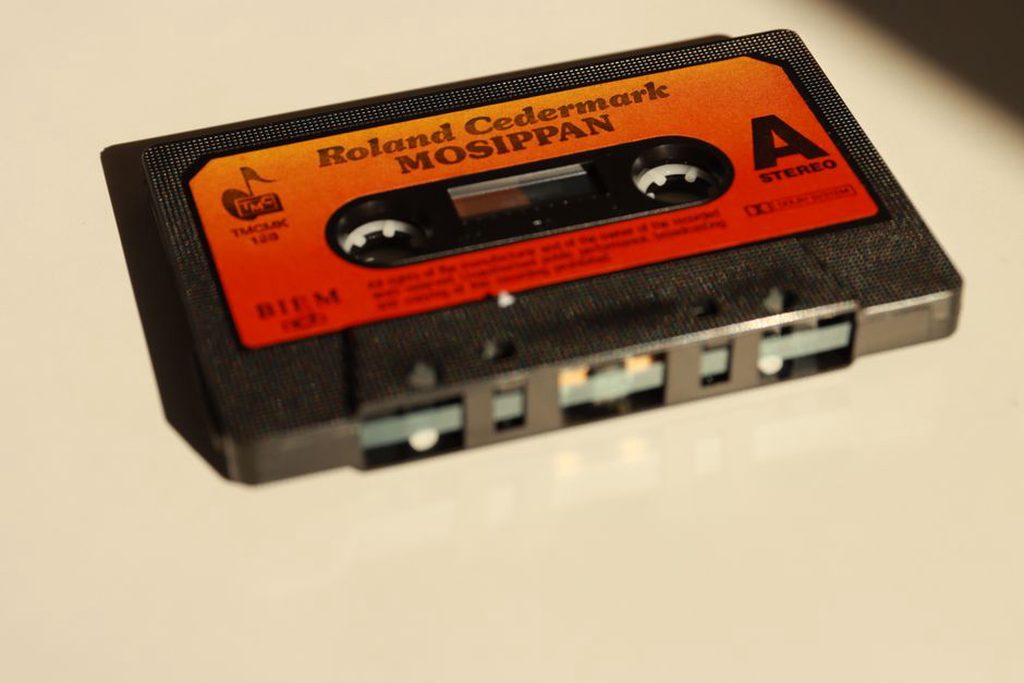
Repair links without inventing a trail
Test links in the body, captions and credits. A working destination is not necessarily the right one. A redirected label page may now show an unrelated catalog; an artist’s site may no longer display the cited recording. Replace a broken link only if the new page supports the same statement. If the source is gone, ground the sentence in evidence you still have or acknowledge that the detail cannot be confirmed.
Internal links should lead readers to a distinct question. A piece on a cassette’s physical circulation might point to Japanese Experimental Music and the Cassette Network for broader context. That link cannot take the place of explaining the specific tape at hand. Nor does every genre word need a link; each one interrupts the current line of thought.
Choose an update size that matches the evidence
A light refresh corrects errors, repairs links and sharpens a few sentences while leaving the structure intact. A focused revision adds missing context or reorganizes sections around the original argument. A substantial revision makes sense when the premise, attribution or scope has changed enough to mislead readers. Let the problem, not the publication date, determine the scale.
Some pages should not be pulled into the present tense. After a one-night performance, its announcement is a historical notice: label and archive it rather than disguise it as current guidance. A first-person review tied to a specific listening copy may need a note about that copy, not a claim to cover every reissue. If new research supports a different argument, preserve the earlier piece as a record and write the new argument separately. Cross-references can show how the two relate without overwriting either.
Use a small, repeatable editing pass
- Save the published version. Keep a copy or revision record before changing claims, captions or structure.
- Mark the article’s durable core. Identify the observations, sources and argument that still hold.
- Check high-risk details. Verify names, credits, dates, formats, quotations and edition claims against the best available evidence.
- Revise for the reader’s task. Fix a misleading title, clarify listening conditions and move essential information where readers need it.
- Test the finished page. Read it on a phone, follow its links, inspect images and check that any update note matches the changes.
Compare the finished page with the saved version. Restore a precise observation if it was cut merely for sounding old-fashioned; narrow a new sentence if its evidence does not support its certainty. In the cassette-label profile, for instance, replace “the label issued only a handful of tapes” with “the copies examined for this profile document these titles; a complete catalog has not been established.”