
A cassette bought at a small show can reach listeners in two forms: as an object passed from hand to hand and as audio heard far from the room where it was made. The tape has a sequence, packaging and signs of wear; the file may travel farther and invite repeat listening. Neither tells the whole story. Moving between the two offers a way to understand Japan’s experimental underground—not as a fixed sound, but through the changing ways sound is made, presented and encountered.
“Underground” describes conditions more usefully than status. Volume alone does not make a performance underground, nor does quietness make a recording marginal. Small venues, self-released editions, informal collaborations and music circulating without steady commercial support all fall under the term. Those conditions vary by project. An artist might appear on a widely distributed recording and still test new work in a room holding a few dozen people.
Flux is not a single new sound
Japanese experimental music has no single path from noise toward ambient, or from analog equipment toward software. Harsh noise, sustained tones, acoustic improvisation, electroacoustic composition and field recording coexist. Their boundaries are especially porous in performance. A street recording might sit in the background, hover at the edge of hearing or be driven into distortion. Feedback can produce a thin, wavering pitch instead of a wall of sound.
Merzbow’s extensive recorded output helped make Japanese noise recognizable internationally, but it cannot stand in for the whole field. Otomo Yoshihide has worked with turntables and guitar, in improvisation and in projects with very different relationships to melody and noise. Toshimaru Nakamura’s no-input mixing board brings the behavior of a circuit without an external sound source to the fore. These are different ideas about what merits attention, not stages in a stylistic timeline.
Familiar names can become shortcuts for unfamiliar work. Calling every abrasive recording “Japanese noise” obscures differences in pacing, source material, performance method and intended listening level; it makes quieter practices seem like exceptions. The broader account of undercurrents in Japanese noise is a reminder that circulation and recognition are uneven even within one named field.
The room remains part of the work
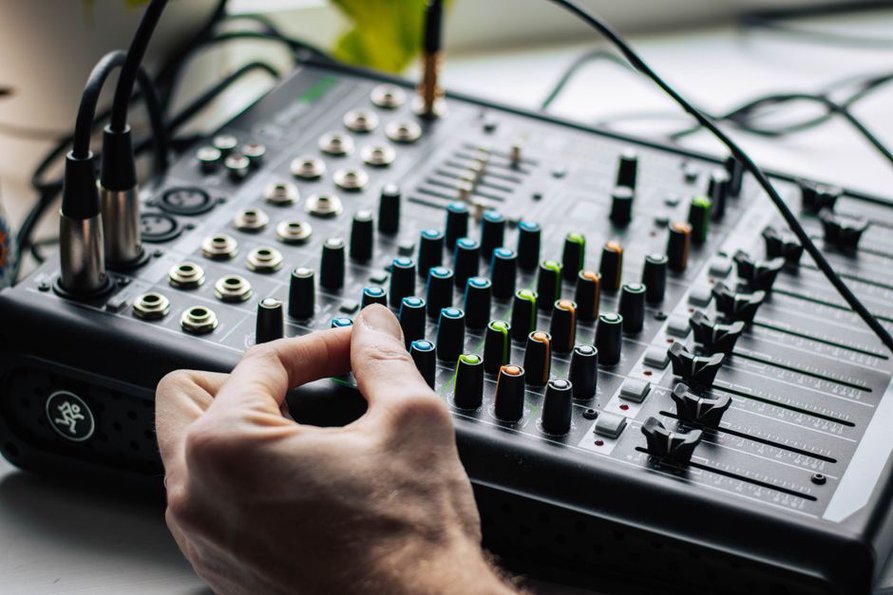
Sound behaves differently at a small performance than it does on a recording made for repeat playback. A low drone may be felt through the floor before it is clearly audible. After sustained near-silence, a brief electronic click can feel consequential. Ventilation, room noise and other listeners’ movements may not be part of the performer’s plan, but they affect what happens. A microphone placed close to an instrument cannot preserve that relationship intact.
The venue affects what can be attempted, too. A café, gallery or dedicated live space offers different control over light, seating, amplification and set length. A short slot on a mixed bill may favor an immediate gesture; a longer presentation can let a piece change so slowly that the shift becomes apparent only afterward. Neither format is inherently more experimental. One risks being reduced to spectacle; the other risks leaving the listener without bearings.
Listening across a format change
When live material becomes a release, listen for what the recording preserves. Crowd sound may convey the scale of a room, while close miking can bring out tiny mechanical details. Editing can give an open-ended improvisation a new shape. A track title naming a venue tells you where something happened, but not where the microphones sat or whether the piece changed afterward. Those are limits of the document, not reasons to invent a more authentic version.
Media changes the pace of discovery
Physical editions have often given independent releases a point of entry: a label name, catalog number, sleeve or table at a show. They still do, while digital circulation opens other routes. A recording might appear as a single track, a complete set or a file with little context attached. It can reach distant listeners while becoming detached from the people, spaces and related releases that first gave it a setting.
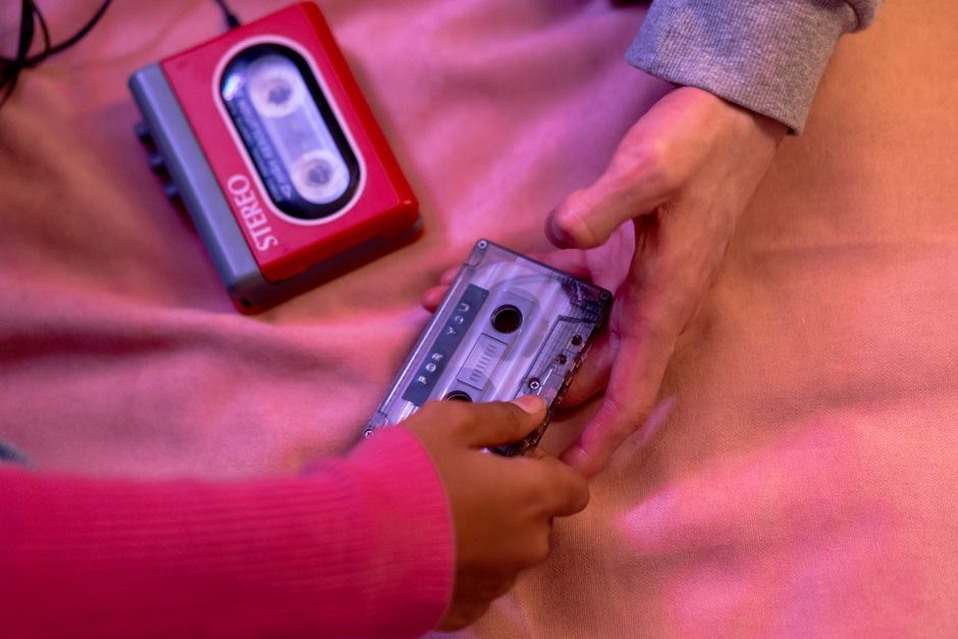
Physical versus digital is too simple a divide. A cassette may lack basic documentation; a digital release may have careful notes and credits. A sleeve scan can confirm a title’s spelling yet leave the recording date uncertain. Reuploads may introduce conflicting attributions. For collectors and writers, it helps to separate what the object states from what a distributor, upload or recollection claims. An openly noted uncertainty is worth more than a confident guess that later gets repeated as fact.
Format shapes listening as well. A tape side imposes an order and a pause. A digital player lets you skip to a dramatic passage, loop a quiet one or lift a track out of its sequence. Neither habit is wrong, but thirty seconds of a drone is thin evidence for a review of its long-term development. With music built on gradual variation, listening time matters.
Shared methods, divergent intentions
A field recording, a contact microphone and a synthesizer can each produce a low, grainy sound. Similar textures do not mean similar intentions. One musician may keep a location recognizable in an environmental recording; another may process it beyond recognition. A feedback performer might work toward repeatable control, or put instability at the center of the piece. The tool tells only part of the story.
To compare such work without flattening it, keep three questions apart:
- What is audible? Note duration, density, dynamic range, repetition and the relationship between foreground and background.
- What is documented? Check available credits, recording context and descriptions of instruments without treating them as a complete account of the sound.
- What remains uncertain? Leave room for an unidentified source, an ambiguous edit or a performance action that cannot be reconstructed from audio.
This is particularly useful with electroacoustic work. The same scrape might come from a physical object, electronic processing or both. Guessing at its source is often less revealing than describing what it does: a sharp attack, a resonant tail, a return in altered form. For a closer look at those distinctions, Listening to Japan’s Underground Experimental Music: Sound, Media, and Method considers how sound and its presentation inform each other.
What persists when the network shifts
Performances depend on less visible work: organizing bills, maintaining spaces, making editions legible, carrying equipment and documenting sets. These tasks determine whether someone can encounter a piece now—or identify it years later. That support is fragile. A venue can change its program, a label can stop issuing releases, and an archive can retain the audio but lose reliable credits.
Visibility brings its own distortions. A widely shared excerpt can make a performer easier to find while directing attention to a single intense moment. A release with scant online information can look obscure even if people heard and discussed it locally. Neither online prominence nor rarity measures artistic importance; each describes access from a particular position at a particular time.
When you find an unfamiliar release, keep a small record alongside it: the artist and title as printed, the edition or upload you heard, the track order, and a description based on listening. If several minutes of low hiss precede a feedback tone, write down that sequence before reaching for “noise,” “ambient” or “drone.” The detail will be more useful later than the genre tag alone.