
On the shelf of any serious collector of Japanese DIY cassettes, you will find a recurring pattern: the five-track release. Not four, not six, but five. It is not a statistical accident. The number five appears with such regularity on small-run tapes from labels like 012tt: The Japanese Cassette Label That Refuses to Be Found that it demands examination. The reasons are practical and aesthetic: the C30 cassette, the five-minute field recording segment, the economics of duplication. Five tracks per side, five minutes per track, five releases in a series — the digit functions as a quiet structural rule, a constraint that shapes listening without announcing itself.
The Five-Minute Side: A Tape Economy
The C30 cassette — thirty minutes total, fifteen per side — is the most common format on Japanese DIY labels. A fifteen-minute side divided into three tracks of five minutes each yields a clean, symmetrical structure. But many labels push further: five tracks of three minutes, or two tracks of seven and a half minutes plus a one-minute coda. The number five emerges because it divides evenly into the fifteen-minute halves of a C30, and because five minutes is long enough to develop a drone or a field recording arc but short enough to avoid listener fatigue on a looped playback.
Consider the practice of kankyō ongaku (environmental music) as it appears on small-batch cassettes. A five-minute field recording segment — a river, a factory hum, a temple bell — captures a complete acoustic event without overstaying. The five-minute limit forces the recordist to edit ruthlessly, to find the essence of a location. This discipline is visible in many releases from the 008tt: The Invisible Label That Forces You to Listen Without a Map series, where tracks rarely exceed the five-minute mark, creating a rhythm of short, disorienting vignettes.
Catalog Number Five: A Turning Point
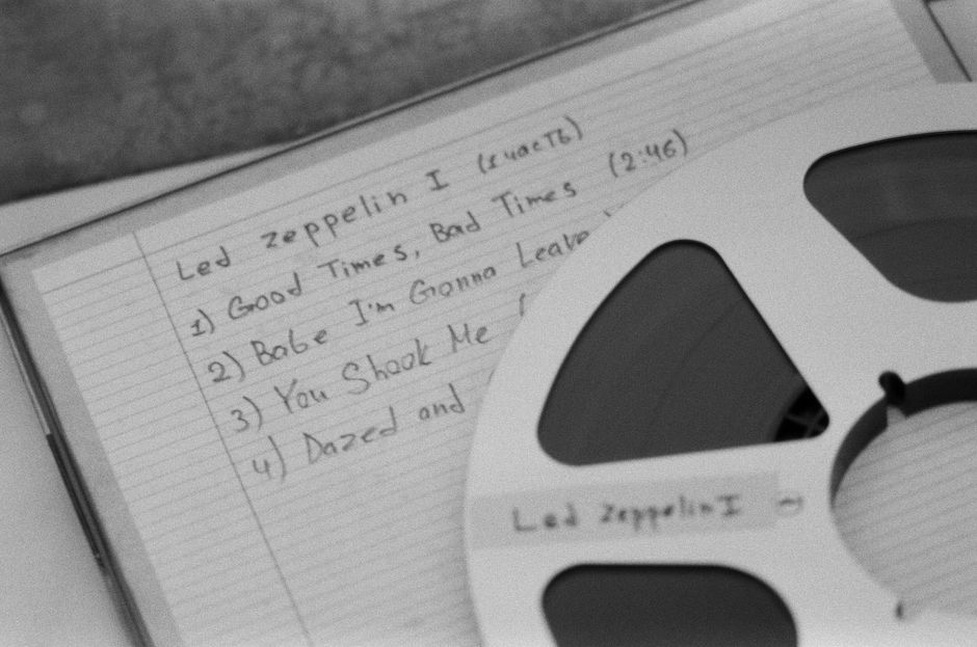
In the world of Japanese underground labels, the fifth release often marks a shift. A label’s first four releases might establish a sound — abrasive noise, minimalist drone, or electroacoustic collage — but the fifth release frequently introduces a new collaborator, a format change, or a conceptual break. This is not a rule, but a pattern observable across dozens of small operations. The fifth release becomes a point of reflection: the label has survived four iterations, and now it must evolve or stagnate.
The label 004tt: The Japanese Noise Label That Doesn’t Want to Be Found exemplifies this. Its fourth release was a wall of unrelenting feedback; its fifth, a sparse field recording of a power substation. The jump was not announced. The catalog number itself — 004tt-5 — became the only signal that something had changed. For collectors, the fifth release is often the most sought-after, precisely because it breaks the mold.
Five as a Binary Counterpoint
The number five also appears in opposition to the binary structures that dominate much Japanese experimental music. As discussed in The Power of Two: Binary Structures in Japanese Experimental Music, many compositions rely on two opposing elements — noise and silence, live and recorded, analog and digital. Five introduces an odd, asymmetrical element that disrupts the neat duality. A five-movement piece, for example, forces the listener to abandon the expectation of a balanced A/B structure. The center track (track three in a five-track sequence) becomes a pivot, neither beginning nor end, but a point of maximum tension.
This asymmetry is exploited by artists who work with five-track EPs. The third track, often the longest or the most abstract, serves as a destabilizing core. The surrounding four tracks feel like preparation and aftermath. It is a compositional device rarely discussed in liner notes, but immediately felt in the listening experience.
Five Hertz and Five Seconds: Micro-Level Constraints
Beyond track counts, the number five operates at the micro-level of sound design. A five-second loop in a drone piece creates a rhythmic pulse that is just below conscious perception — long enough to avoid a beat, short enough to generate a subtle texture. Five-hertz modulation in a noise circuit produces a low rumble that vibrates the room without dominating the mix. These technical choices are not arbitrary; they are calibrated to the human ear’s sensitivity around the five-hertz to five-kilohertz range.
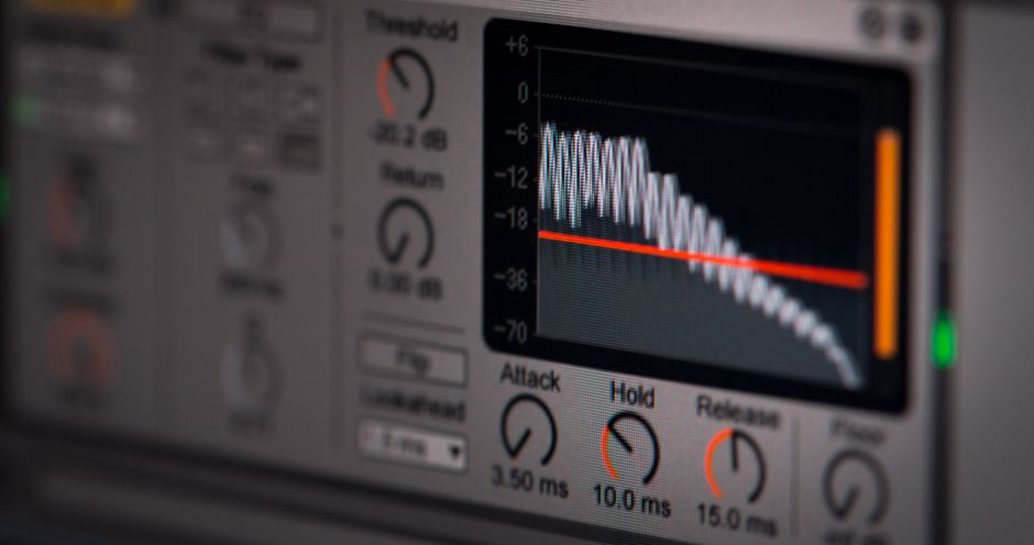
Field recording practitioners often set their recording levels at five decibels below peak to preserve headroom, a habit passed down through DIY forums and cassette trading. In Field Recording for Experimental Music: Microphone Techniques and Practical Tips, this practice is explained in detail: five dB of safety margin keeps the recording clean while allowing for unexpected spikes from wind or passing vehicles. The number five becomes a practical benchmark, not a mystical one.
The Five-Inch Record: A Forgotten Format
While the seven-inch and twelve-inch vinyl dominate, the five-inch record — a rare format used by a handful of Japanese experimental labels in the 1980s and revived in limited runs — offers a unique constraint. A five-inch disc spinning at 33⅓ RPM holds roughly five minutes of music per side. The format never became standard, but its occasional appearance in the underground highlights a commitment to physical limits. The five-inch record demands that the artist compress a statement into five minutes, no more. It is the opposite of the sprawling double LP; it is the haiku of vinyl.
Several cassette-only labels have experimented with five-inch lathe-cut records as a premium edition. The number five here is not just a dimension; it is a statement of scarcity and precision. The listener must handle the small disc with care, and the playback time forces a focused attention that longer formats dilute.
Five as a Collector’s Signal
For collectors, the number five appears in edition sizes. A run of fifty copies — five tens — is common for limited editions. A run of five copies, though rare, signals an almost private press. The label 012tt once released a tape in an edition of exactly five, each with a different hand-painted cover. The number five here becomes a mark of intimacy: the artist knows every recipient, and the listener knows they hold one of five objects in existence.
This is not a marketing gimmick. In the Japanese underground, small editions are a practical necessity — low duplication costs, limited storage, and a network of listeners who value rarity. The number five appears because it is the smallest viable batch for a cassette duplicator that runs in multiples of five. The constraint is technical, but its effect is cultural.
The Persistence of Five
The number five shows up in the smallest details: a five-second loop in a drone piece, a five-hertz modulation, a five-decibel margin on a field recorder. It is not a grand theory — it is the shape of the tools. The next time you pick up a C30 cassette from a label like 012tt, check the tracklist. Chances are, it is five tracks. That is the quiet architecture of the scene.