
For a two-night road trip, decide when you need to be home before you add stops. A Sunday evening arrival can look generous on a map until fuel, meals, traffic or a closed road eat into the margin. If the trip revolves around a small venue, record shop or sound installation, check its hours first. That stop may be the one part of the weekend you cannot move.
Set the limits before choosing the route
Write down when you can leave, the latest acceptable return, who can drive and how long everyone is willing to spend in the car. Agree on a budget for fuel or charging, tolls, parking, accommodation, food and admission. Set aside money for surprises rather than treating every available pound or dollar as spending money.
Choose one main destination and, at most, one or two optional stops. Three distant towns, a late concert and an early checkout might fit on paper, but leave little time to walk, listen or rest. Check traffic for the hours you expect to travel, then allow for breaks and finding parking. If drivers will take turns, agree on the handovers beforehand. Do not count on someone pushing through the final stretch while tired.
Quick decisions to make first
- Confirm the destination, travel dates and a realistic arrival window.
- Choose a return time that leaves a buffer before work or other commitments.
- Set a total budget and decide which costs are shared.
- Identify the booking or opening time the route must accommodate.
- Mark optional stops as optional, not as promises.
Check the route in both directions
Map the outward and return drives separately. Roads that are clear on Saturday morning may be slow on Sunday afternoon, particularly near routes out of a city or holiday area. Check roadworks and weather again close to departure, and note an alternative for any vulnerable stretch. You need not plan a detour for every road, but you should know if a closure could leave you far from fuel, charging or accommodation.
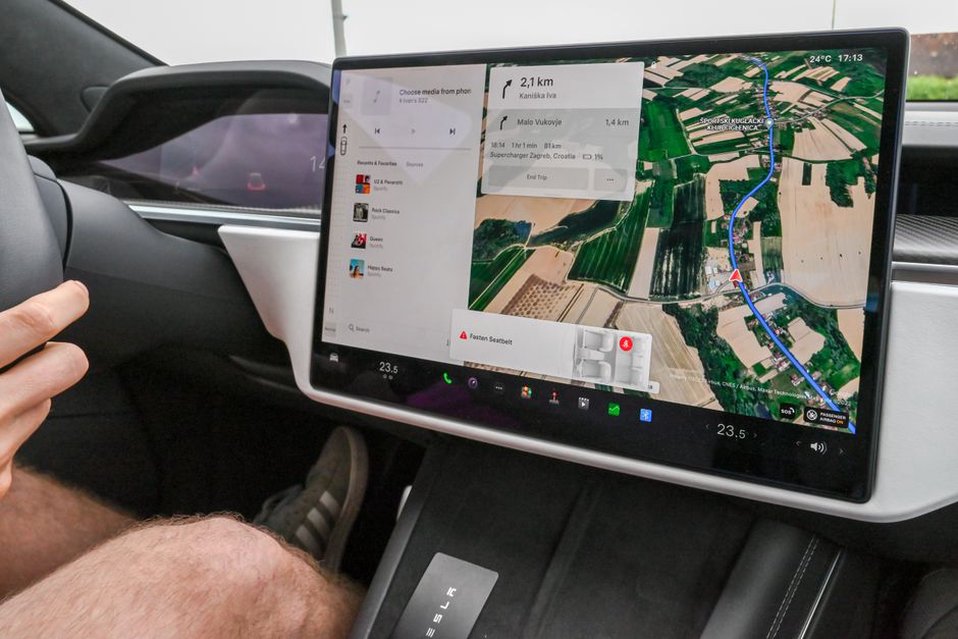
Look past the route on your navigation screen. Find safe places to stop, check whether your accommodation has parking and confirm that a venue’s listed address leads to its entrance. Save essential addresses and directions offline for rural stretches with poor reception. If you are crossing a border, check identification, vehicle and insurance requirements well ahead of time; a short trip can still require paperwork.
Book the fixed points, then leave space
Reserve accommodation before filling in the rest of the weekend, especially if you will arrive late. Read the check-in and cancellation terms, and find out whether parking needs a separate reservation. For a performance, confirm the date, doors time, ticket conditions and last entry. An event listing may give different hours from the venue’s regular schedule.
Keep a few alternatives in mind: somewhere indoors if rain rules out a walk, a meal near your lodging if you arrive late, and a shorter route home if everyone is tired. An unbooked afternoon is useful. You might spend longer than expected in a record shop, find a place closed or need a proper break after the drive.
Give the vehicle a practical check
A few days before leaving, check tyre pressure against the manufacturer’s guidance, including the spare if there is one. Look at tyre condition, lights, washer fluid and dashboard warnings. Confirm that servicing and roadside assistance coverage are current. If something seems wrong, get it checked rather than testing the car’s limits over the weekend.
If you drive an electric vehicle, plan charging around its actual range, the weather and available chargers, not just its advertised range. Identify a backup charger and allow for equipment that is occupied or out of service. Whatever you drive, leave with enough fuel or charge to reach the first reliable stop. Keep the charging cable, payment method and any required adapter within reach, not under the luggage.
Before the car is packed
- Check licence, registration and insurance documents as applicable to the route.
- Confirm tyres, lights, fluids, wipers and fuel or charge.
- Save accommodation and venue details offline.
- Pack a phone charger, drinking water and layers suited to the weather.
- Keep the driver’s view, pedals and emergency equipment unobstructed.
Pack for the stops you intend to make
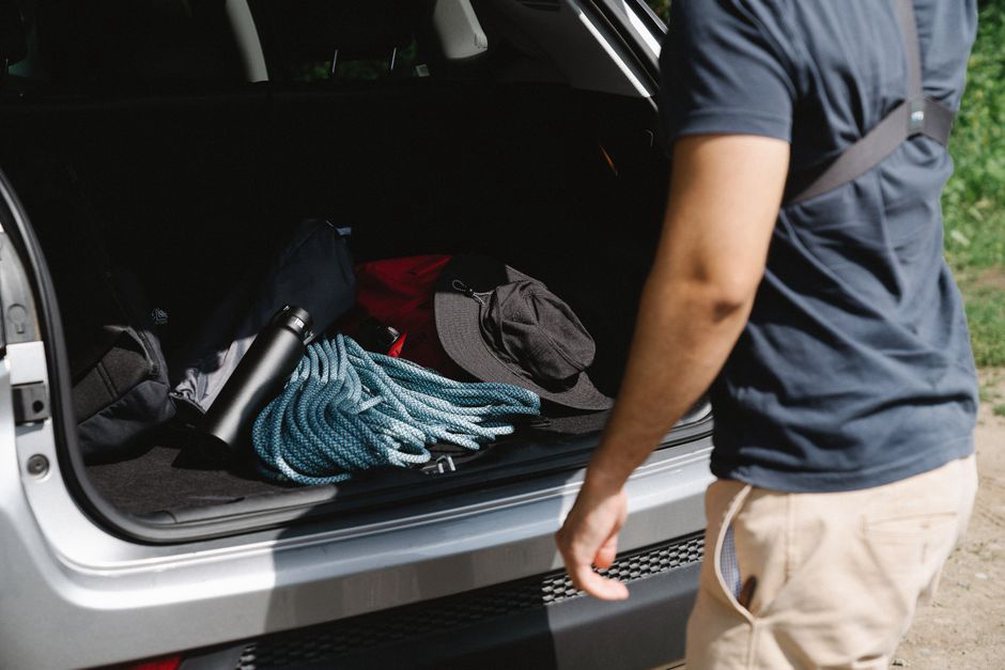
Pack for the forecast and one likely change in conditions, not every imaginable one. Comfortable shoes help when a long drive is followed by walking between venues. Bring medication, identification, reusable water bottles and a small bag you can take into a shop or café without unpacking the car.
For music-focused trips, bring earplugs for loud performances, even in small rooms. If you buy records or cassettes, keep them out of direct sun and avoid leaving them in a hot parked car. A rigid bag or box will stop them bending or sliding beneath other luggage. Check recording rules before taking a recorder into a performance or private space, and ask for consent where appropriate. Save headphones for passengers or stops, never the driver.
Make the timing usable, not exact
A simple schedule works better than an hour-by-hour script. Give each day an anchor: Saturday’s arrival or event, then Sunday’s checkout and departure for home. Fit meals and rest breaks between longer drives. If navigation puts you only minutes ahead of a timed booking, leave earlier or drop a stop. The predicted arrival is an estimate.
Share the rough itinerary with everyone travelling, including the address of each overnight stay. If someone outside the group expects you, tell them when you plan to arrive and update them if that changes. Agree that the driver can call for a break without an argument. Once fatigue sets in, a safe stop matters more than the schedule.
Run a final check the evening before
Recheck the weather, road alerts and messages from venues or accommodation. Charge phones and download maps or tickets you may need offline. Put keys, licence, wallet, booking details, medication and charging leads somewhere easy to reach. Check any stop whose hours may have changed; a saved listing does not guarantee that an independent shop or small venue will be open.
Before you set off, enter the first stop into navigation and compare the expected arrival with its actual opening hours. If the margin has vanished, drop the optional detour now rather than sorting it out from the driver’s seat.