
Inside a folder named "noise_archive_2003" or a ZIP called "tapes_unknown," there it sits: wasted a. No artist. No label. No year. Just two words that could mean anything—a track title, a label imprint, a description of the tape's physical condition, or a throwaway label slapped on by a trader who never expected the file to survive. This isn't a rare occurrence. Across the scattered remains of the Japanese noise underground, files like wasted a surface with alarming regularity, each one a cipher that resists easy classification.
What Is "Wasted A"?
There is no definitive answer. The name itself is ambiguous: "wasted" could refer to the state of the tape—degraded, stretched, recorded over—or to the thematic content of the music (noise as waste, sound as refuse). The letter "A" might indicate the first side of a cassette, a volume number, or simply a placeholder used when the original title was lost. In the trading circles that emerged from early 2000s online forums and private FTP servers, such filenames were common. Tapes were digitized hastily, labeled with whatever came to mind, and uploaded without metadata. The result is a corpus of orphaned audio that challenges the very idea of a fixed discography.
What we do know comes from the file's behavior in these archives. It is almost always a short audio file—typically between three and ten minutes—encoded as MP3 at a variable bitrate, suggesting a transfer from cassette rather than a native digital recording. The sound quality is often lo-fi, with tape hiss and occasional dropouts. The content, when listenable, tends toward dense, mid-range noise with little dynamic variation, a hallmark of many DIY noise tapes from the late 1990s and early 2000s. But none of these observations confirm an artist, a label, or even a country of origin.
The Aesthetics of Waste
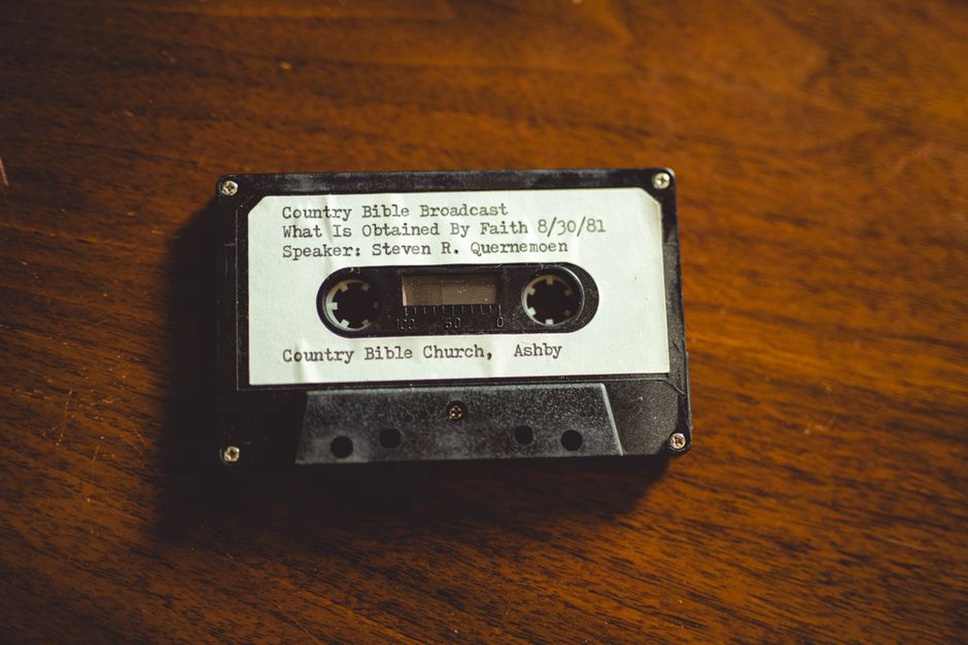
The word "wasted" carries specific weight within the noise community. It aligns with an ethos that prizes impermanence, decay, and the rejection of commercial polish. Many musicians in the Japanese underground deliberately used degraded media—old Type I cassettes, worn-out tape decks, broken microphones—to produce sounds that could not be replicated. The resulting recordings were often not intended for preservation; they were ephemeral artifacts of a performance or a moment of experimentation. That wasted a survives at all is something of an accident.
This attitude toward waste is not merely aesthetic. It reflects a practical reality: producing small-run cassettes was cheap, and many musicians did not bother to keep master copies. Once a tape was traded or sold, it was out of their hands. The file wasted a may have been digitized from a tape that the original artist no longer owns—or even remembers. The anonymity of the file becomes a feature, not a bug. It stands for the countless recordings that were never meant to be archived.
Archival Challenges
Files like wasted a pose a serious problem for collectors and historians. Without provenance, they cannot be reliably attributed, and any attempt to assign them to a known artist risks fabrication. Yet discarding them is equally problematic: they may represent the only surviving trace of an otherwise undocumented release. The usual methods of identification—matching track lengths, comparing spectrograms, consulting discogs-style databases—often fail because the original tapes were never cataloged in the first place.
This problem is not unique to wasted a; the anonymous file sludge005 min.mp3, examined in a previous article, shares the same lack of provenance. Both files exist as fragments of a larger, invisible network of trades. The difference is that wasted a offers even fewer clues—no numerical sequence, no apparent connection to a label or series. It is a pure orphan.
Common characteristics of such orphaned files include:
- No metadata fields (artist, album, genre) in the file properties
- Single-word or two-word titles that could be track names or labels
- Often found in folders with other similarly cryptic names (e.g., untitled1, track02, sideb)
- Encoded in lossy formats (MP3, Ogg Vorbis) at low bitrates, indicating a digitization from cassette
- Frequently truncated—the file may end abruptly before the music naturally concludes
What Does It Mean?
Interpreting wasted a requires a shift in perspective. Instead of asking who made it, one might ask what its survival says about the culture that produced it. The file embodies a contradiction: the noise underground was built on ephemerality, yet the very act of digitizing and sharing these files creates a kind of accidental archive. Wasted a is a ghost in that archive—a presence that resists biography. It reminds us that not everything in the Japanese noise underground was meant to be understood, cataloged, or sold. Some things were simply wasted, and that waste has become its own kind of legacy.
Whether wasted a will ever be identified is uncertain. The networks that carried it have largely dissolved; the original uploader may have long since left the scene. What remains is the file itself, a four-minute chunk of distorted sound that asks no questions and gives no answers. For the listener willing to sit with that ambiguity, it offers something more valuable than a name: a direct encounter with the noise underground's commitment to the disposable, the broken, and the forgotten.