
The Interplay of Visual Art and Noise Music
In Japan, noise music is a genre that defies boundaries, often merging with visual art to create a unique sensory experience. This fusion is intentional, with visual art serving as a mirror to the chaotic and unpredictable nature of the music. In the Japanese noise scene, visual art becomes a medium for thematic expression, amplifying the intensity and depth of the music.
Artists like Merzbow exemplify this multidisciplinary approach, integrating visual elements into their performances and album releases. The design of album covers, concert posters, and stage setups are carefully crafted to resonate with the sonic chaos, establishing a cohesive aesthetic that challenges traditional art forms.
Iconic Visual Artists in Japanese Noise
Visual artists have played a pivotal role in shaping the Japanese noise scene, often collaborating with musicians to create a unified artistic vision. Keiji Haino is one such figure, known for his abstract artwork that complements his musical explorations. His visuals are enigmatic and intense, featuring stark contrasts and abstract forms that reflect the power of his soundscapes.
Yoshihide Otomo is another influential artist who merges visual art with his avant-garde compositions. His work often delves into themes of impermanence and decay, echoing the fleeting nature of noise music.
The Role of Album Art
In the Japanese noise scene, album art transcends mere visual accompaniment; it is integral to the listening experience. Artists like Masami Akita (Merzbow) use album covers as a canvas to convey the essence of their music. These covers often feature abstract imagery, industrial themes, or dystopian landscapes, setting the stage for the auditory experience that follows.
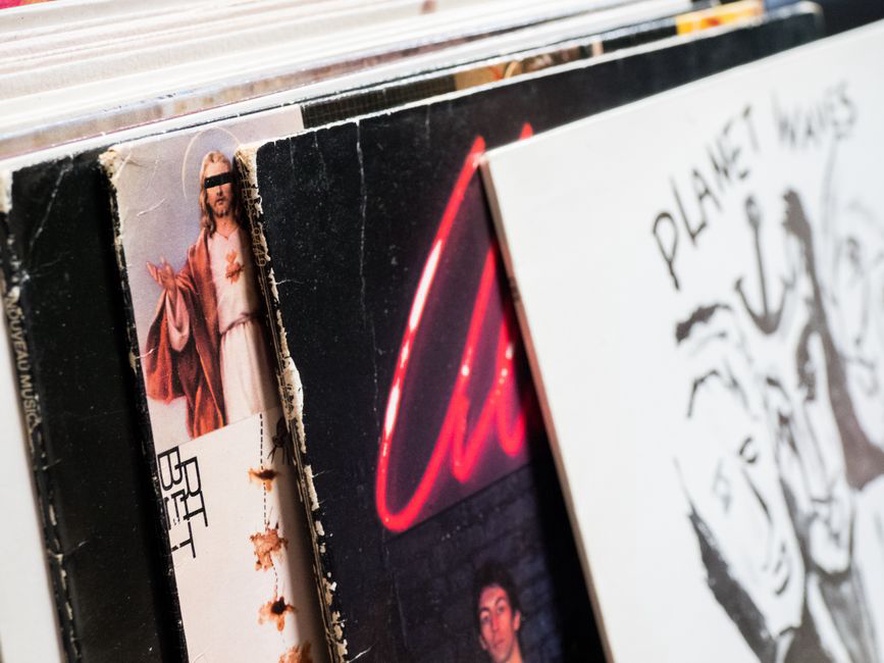
These visual elements are not just decorative; they embody the chaos, energy, and unpredictability of the genre. The art invites the audience to fully engage with the experience, providing a visual narrative that complements the auditory impact.
Visual Elements in Live Performances
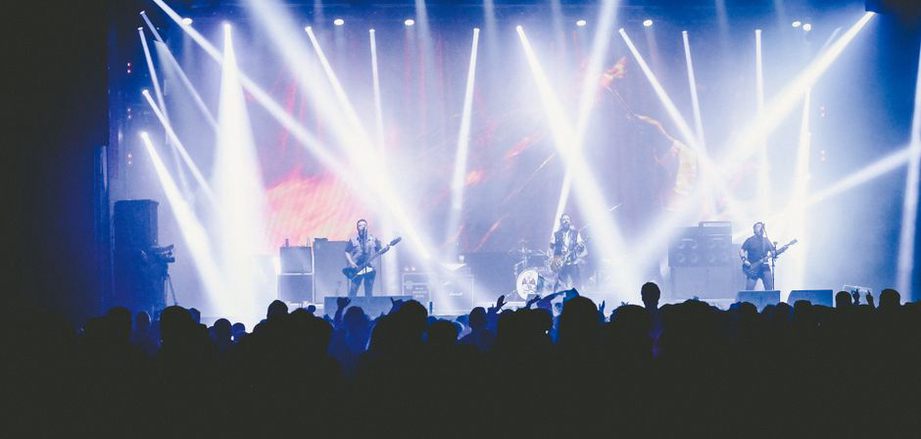
Live performances in the Japanese noise scene are as much about the visual spectacle as the music itself. Artists like Boris and Sonic Youth incorporate elaborate visual setups into their shows, utilizing lighting, video projections, and stage design to craft an immersive environment.
These performances transcend traditional concerts, offering multi-sensory experiences where visual elements amplify the music's impact. The use of strobe lights, abstract video projections, and unconventional stage setups transforms the performance space into an extension of the auditory experience, enveloping the audience in a complete sensory immersion.
DIY Culture and Visual Art
The DIY ethos in the Japanese noise scene extends to visual art, with many artists creating their own visuals and promotional materials. This approach fosters creativity and ensures that the visual elements remain true to the artist's vision, free from commercial constraints. DIY zines, posters, and album art crafted by the artists themselves are common, often featuring experimental designs that reflect the anarchic spirit of noise music.
In this cultural context, visual art becomes a deeply personal form of self-expression, intimately connected to the music. The New York Times music section provides insights into how this integration of art forms enhances the overall experience of noise music.
As the Japanese noise scene continues to evolve, the relationship between visual art and music remains a vital part of its identity. The visual components not only complement the music but also challenge audiences to engage with the art on multiple sensory levels, ensuring each encounter with Japanese noise is a uniquely immersive experience.