
One contributor calls a cassette a “release,” another a “record,” and a third an “album.” All three may be fine. Trouble starts when a review states an unverified edition size as fact or quietly changes an artist’s chosen name. A useful style guide makes clear what writers can decide for themselves, what they need to check, and where to leave a question for the editor.
For an independent music site, it should be short enough to consult mid-draft. It cannot replace editing, tell contributors how to listen, or make them share an opinion. Its job is to settle recurring questions about names, claims, descriptions of sound, sources, and the handoff to an editor. A few pages of examples will get more use than a document nobody opens.
Start with decisions that actually recur
Look through a handful of recent drafts or published pieces before writing rules. Which corrections did editors make more than once? Which were just matters of taste? If contributors keep confusing the performer on a recording with its label, the distinction belongs in the guide. A preference for semicolons probably does not.
Open with a brief statement of scope. For example: “These conventions apply to reviews, interviews, and reported features about experimental music. When an artist’s own credit conflicts with our default formatting, preserve the credit and flag it for the editor.” That gives writers both a rule and a way to handle exceptions.
A first version could have five sections:
- Names and credits: verifying artist and project names, labels, titles, and contributor roles.
- Claims and sources: facts that need confirmation and how to mark unresolved details.
- Listening descriptions: separating audible observations from interpretations or production claims.
- Language and tone: terminology, translation, generalizations, and editorial voice.
- Submission handoff: what to send with a draft and how to note exceptions.
Explain a rule when the reason helps someone use it. “Confirm the edition before stating a release year” earns its place: a digital listing, an earlier recording, and a later cassette issue may carry different dates. A page of unexplained punctuation preferences is less useful.
Write rules as choices a contributor can make
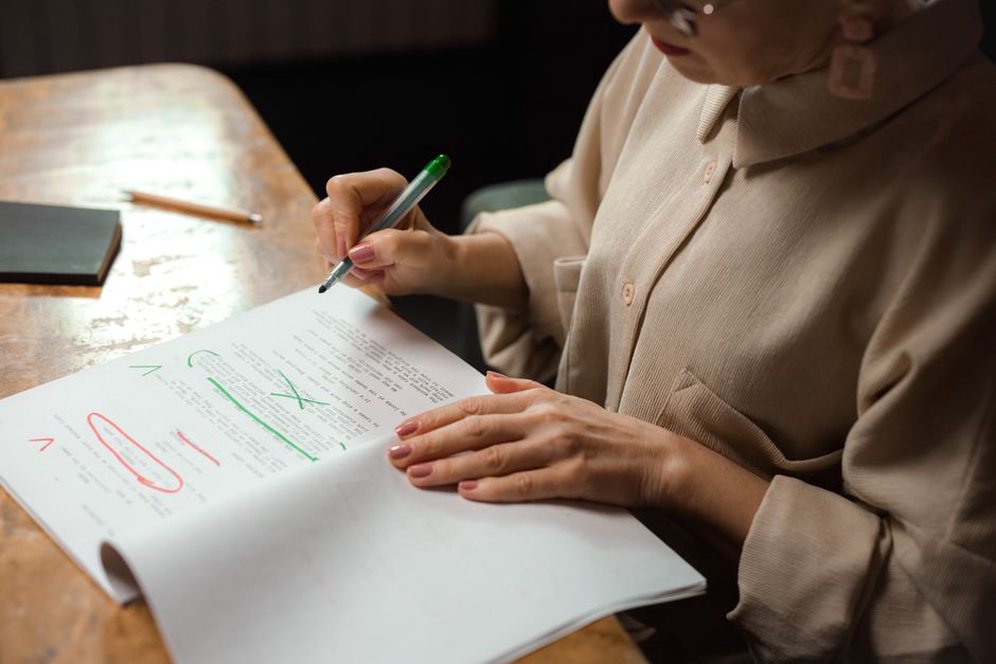
“Be accurate” offers little help when two sources spell a project name differently. A working rule says what to check first and when to ask an editor. Examples should resemble the publication’s work; if you make one up, identify it as hypothetical rather than implying the release exists.
| Vague instruction | Working rule |
|---|---|
| Use correct names. | Check artist, project, label, and release names against a primary credit when available. Preserve deliberate spelling and capitalization; flag conflicting versions. |
| Describe the music clearly. | Name a sound or change a listener could hear before interpreting its effect. Do not infer equipment from sound alone. |
| Include context. | Add context when it changes how a reader understands the recording, performance, or claim at hand. |
| Cite your sources. | Give the editor sources for dates, personnel, formats, quotations, and reported background that listening cannot establish. |
The working rules tell a contributor what to do. They also let an editor explain a change without passing off personal preference as policy. If a rule needs several paragraphs of exceptions, move the detail to a separate reference note and keep the core guide easy to scan.
Protect names, titles, and release details
Documentation for experimental music is often uneven. A project may use several aliases, a sleeve and streaming listing may give different track titles, or a cassette may be reissued under a new date. No formatting rule resolves every conflict. Set an order for checking credits and ask writers to leave a note when the evidence disagrees.
Decide what the publication will preserve
Keep diacritics, Japanese characters, and unusual capitalization when they are part of an established credit and can be reproduced accurately. Do not quietly make a name look more familiar. If the site uses romanized names for navigation or readability, say whether a verified original-script form should appear on first mention. Never ask a contributor to supply a translation or transliteration they cannot substantiate.
Choose a title convention—italics for releases and quotation marks for tracks, for instance—and use it consistently without changing the wording of a credited title. The guide should also distinguish labels from distributors, recording locations from release locations, and formats from artistic categories. A cassette issue tells you the format; it does not prove the music was recorded on tape.
Give uncertain dates a visible route
Ask contributors to say what a date refers to: recording, initial release, reissue, or performance. If only a reissue date is confirmed, “issued on cassette in [verified year]” is more precise than treating that year as the music’s origin. If no reliable date turns up, leave it out or flag it for the editor. Memory is not a source.
A brief fact note can record details worth revisiting: the spelling on a physical sleeve, a conflicting digital credit, and why the contributor chose one. The note need not appear in print. It prevents a tidy published sentence from hiding an unresolved source problem.
Separate what is heard from what is inferred
Writing about noise, ambient, drone, electroacoustic work, and field recordings calls for close listening, but interpretation should not masquerade as a finding. A reviewer can hear a low tone beneath intermittent clicks or traffic in a recording. Those sounds alone cannot identify the synthesizer or where the traffic was captured.
One useful rule: describe the audible evidence first, then mark interpretation as interpretation. Compare “a narrow tone holds beneath short bursts of static” with “the machine resists its operator.” The second may be an effective reading, but the first gives a reader something to check against the recording. There is room for both if their roles are clear.
Be wary of genre language on autopilot. “Meditative,” “chaotic,” “hypnotic,” and “harsh” may convey a response, but none says much on its own about a particular piece. What changes over time? Does a drone shift pitch? Do pauses expose room noise? Is a possible field recording prominent or buried? Technical vocabulary is useful when it is accurate; a repeated scrape is better described plainly than attributed to processing the writer cannot verify.
Keep broader advice about a review’s argument and sequence in a review manual, if the site has one. Someone looking up how to qualify a production claim should not have to search through an essay on criticism.
Make room for context without flattening it
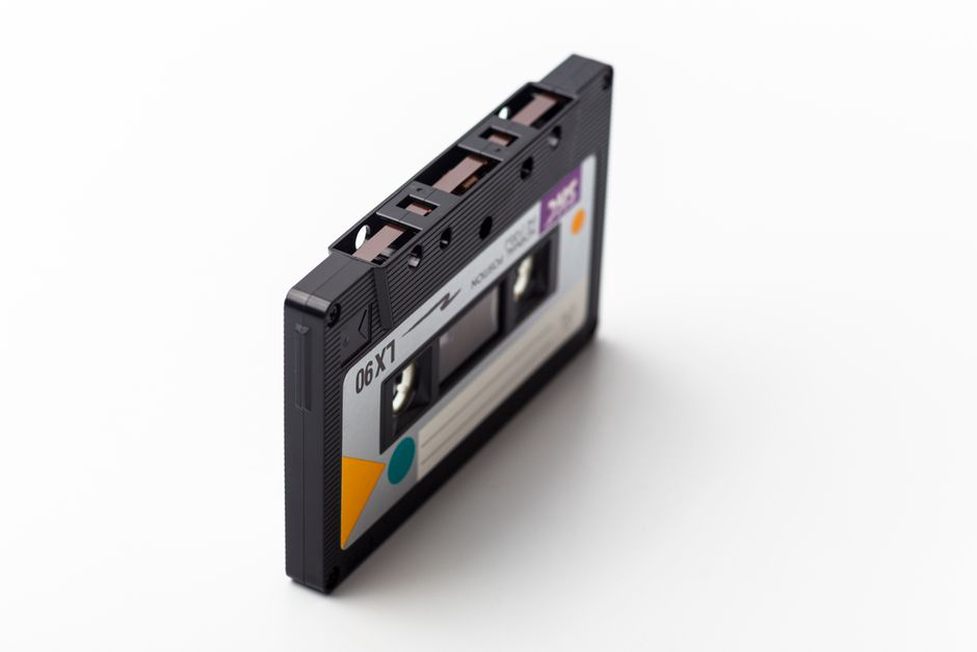
“Japanese” might refer to an artist’s nationality, where a recording was made, a label’s base, or the publication’s editorial focus. Those are different connections. Ask writers to name the one that matters rather than using nationality as shorthand for a sound. A quiet or abrasive cassette is not, by itself, evidence of a national aesthetic.
Cultural and historical claims need sources and a reason for appearing in the piece. If a writer connects a recording to a performance practice, a local venue, or a broader tradition, the draft should show how that connection is known and why it matters. A comparison can remain a comparison; it should not be recast as the artist’s intention without evidence. An artist’s statement translated from Japanese should not appear as an exact quotation unless the translation has been checked and the editor knows its status.
A short terminology list can settle recurring distinctions. Use “field recording” for a documented practice or source material, not every sound that resembles the outdoors. Use “DIY” for self-organized production or distribution when the facts support it, not as a synonym for cheap or rough. Such notes clarify terms without imposing a single voice on every writer.
Set a standard for facts, quotations, and access
Writers can check audible details against a recording. Credits, dates, edition sizes, equipment, intentions, sales history, and accounts of performances need a source with access to that information. A label description establishes what the label says; paraphrasing it does not turn it into an independent finding.
For interviews, ask contributors to keep the original wording or recording until editing is complete and to identify translated answers. Do not tidy a quotation so much that its meaning changes. If a contributor cannot confirm whether an artist mentioned a technical detail on or off the record, the editor needs to know before building a sentence around it.
Set a rule for limited review access, too. A preview file is not a final cassette, especially when the review discusses packaging, sequencing, or sound qualities specific to the physical edition. A writer who has heard only excerpts cannot assess the full release. This does not call for a formulaic disclosure in every paragraph; it calls for honesty about what the writer actually had.
Keep the handoff light and explicit
Some information belongs with the draft, not in the article. A short handoff note can list verified credits, conflicting sources, translations, and questions for the editor. “Check this” in a comment is less helpful if it gives no clue what the contributor already checked.
Specify draft formatting only where collaboration depends on it: consistent headings, track titles in the chosen style, and editorial queries kept apart from publishable copy. There is no need to mandate a writing app or elaborate filename system if the team can already find and edit a piece. The handoff should make open questions easy to spot.
Distinguish rules from editorial preferences
Reserve “must” for a few requirements: never invent a quote, verify a credited name, and distinguish a confirmed fact from an inference. Call softer choices defaults—a title style, first-mention format, or usual way to introduce an abbreviation. Then a contributor can raise a good exception instead of bending an awkward sentence around a preference.
Invite a short explanation when a departure improves accuracy. A contributor might keep unusual title styling because it belongs to the credited name, or use a longer first mention to distinguish similarly named projects. The editor can make the call, and repeated exceptions can inform the next revision.
Test the guide against a real draft
Before circulating the guide, ask one editor and one contributor to use it on the same unpublished piece. Have them mark where it answers a question, clashes with the available evidence, or says nothing. They are testing the guide, not the contributor. A rule that looks obvious on the page may be less clear when a cassette sleeve and digital listing disagree.
Make the revised guide easy to search. Put each instruction where someone will look for it, use one or two short examples, and avoid repeating the same rule in several sections. Date the guide and name its maintainer so contributors know which version applies. If the same exception keeps coming up, change the rule rather than settling it anew in private messages.
One manageable first revision: take a recent query about whether a date belongs to a recording or its cassette issue. Add a two-sentence entry under “Release details” that states the distinction and shows how to phrase the claim when only one date is verified.