
A half-used bag of spinach can disappear behind a carton of milk long before it spoils. Move food that needs eating soon to the front of the refrigerator, where you will spot it before opening something new. It is a small fix for a common problem: food bought with a purpose, then forgotten.
You do not need a perfect meal plan or a use for every peel. Pay attention to what gets lost in your kitchen, then make a few decisions sooner: how much to buy, where to put it, and what to do with leftovers.
Find the waste before changing your shopping habits
For one week, jot down what you throw away and why. A list on the refrigerator will do. Distinguish food that spoiled unopened from plate scraps, ingredients bought for meals you never made, and leftovers nobody wanted again. Each points to a different fix. Wilted produce may mean you bought too much or stored it poorly; repeated plate scraps suggest smaller first servings. An untouched ingredient might need a recipe with more room for substitution.
Include drinks, bread, cooked grains, and condiments. The last spoonfuls of sauce in a jar matter less than a large tub of yogurt that expires half-full every month. Start with the loss that keeps happening, not the most conspicuous thing in the bin.
Shop for the week you actually have
Before writing a list, check the refrigerator, freezer, and cupboard. Notice what is open or already cooked, not just what is there: a packet of dry rice can wait; a bowl of cooked rice needs a plan. Build one or two meals around foods likely to deteriorate first, then shop for what is missing.
Give each item on the list a quantity or a job. “Two tomatoes for sandwiches” is more useful than “vegetables.” When plans are uncertain, choose ingredients that fit several meals. Carrots could go into soup, roasted vegetables, or a lunchbox; a delicate herb bought for one garnish leaves you fewer options.
Bulk packs are not automatically cheaper in practice. Work out the price against what you are likely to eat, rather than the amount on the label. If the larger pack regularly leaves you with spoiled food, the smaller one may cost less per serving eaten. A buy-two promotion only helps if you can use both or freeze the extra in time.
Leave room for a changed schedule, an invitation, or a night when cooking is not practical. Shelf-stable and frozen ingredients can cover those gaps. That is less risky than assigning a fresh ingredient to every dinner and assuming every plan will hold.
Store food so you can see and use it
Good storage starts with being able to find things. Put older items ahead of new purchases, group small opened foods, and avoid burying containers behind opaque stacks. An “eat soon” area helps if everyone knows what belongs there: food that is still safe to eat, not a permanent collection of doubtful leftovers.
Label leftovers with what they are and when they were cooked. A strip of tape can keep a container from becoming a freezer mystery. Write enough to tell tomato soup from tomato sauce; you can add the intended meal, too.
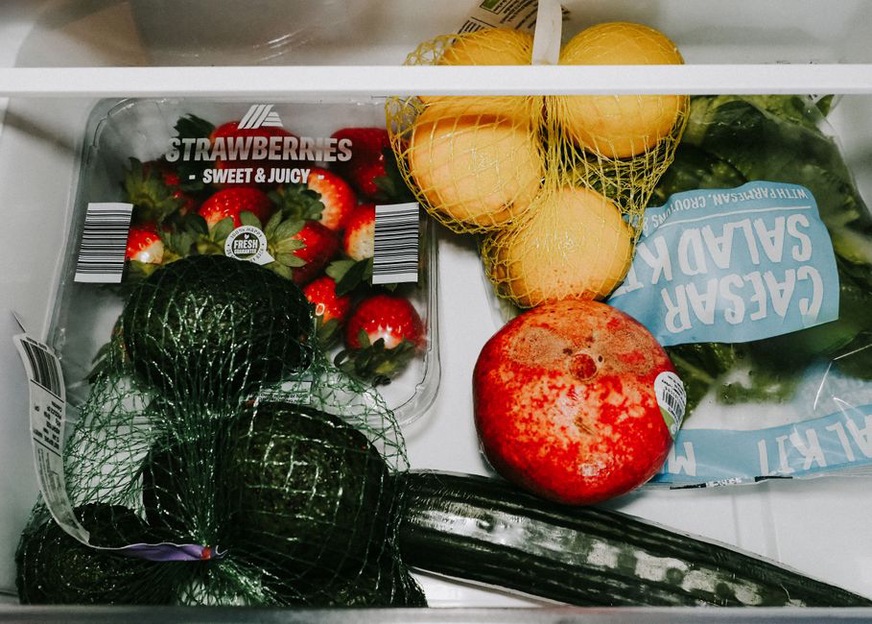
Match storage to the ingredient
- Leafy greens: Remove damaged leaves and chill the rest without letting them sit wet. A clean towel in the container can absorb excess moisture; replace it if it gets soaked.
- Fresh herbs: They do not all store alike. Tender herbs may do better refrigerated with a little moisture, while basil is sensitive to cold. Check the bunch rather than using one rule for every herb.
- Bread: Freeze slices or portions while fresh if you will not finish them soon. Refrigeration can make bread stale faster, even if it delays mold.
- Potatoes and onions: Keep them in a cool, dry, ventilated place, not a sealed bag. Store them separately; potatoes can spoil faster beside onions.
- Cut produce and cooked food: Refrigerate promptly in covered containers. Keep raw meat and seafood contained below ready-to-eat foods so drips cannot reach them.
Keep the refrigerator at or below 40°F (4°C) and the freezer at 0°F (-18°C). An appliance thermometer helps: the dial does not necessarily tell you the temperature inside. Leave enough space in the refrigerator for cold air to circulate.
Read dates without guessing about safety
Package dates mean different things, and wording varies by country and product. “Best before” or “best by” often refers to quality, not an automatic safety cutoff. A “use by” date may carry a different regulatory meaning, especially for highly perishable food. Follow local label guidance and handling instructions rather than applying one rule to everything.
How food was stored matters, too. It can become unsafe before its printed date if left warm or handled improperly. Some unopened shelf-stable foods, on the other hand, may still be usable past a quality date if the packaging is sound and local guidance allows it. Never taste food to check whether it is safe. Discard food showing signs of spoilage or packaging that is damaged, bulging, or leaking. Take extra care with food intended for infants or people at greater risk from foodborne illness.
For leftovers, use a clearer rule than “it smells fine.” Refrigerate perishable food within two hours of cooking or serving, or within one hour when the surrounding temperature is above 90°F (32°C). Eat most refrigerated cooked leftovers within three to four days, or freeze them sooner. Reheat thoroughly; a food thermometer is useful for dense dishes, which should reach 165°F (74°C).
Cook amounts you can manage
Let what your household actually eats guide portion sizes. If a pot of rice repeatedly leaves two untouched servings, measure less dry rice next time. If a recipe makes six portions for two people, decide before cooking whether the other four will be eaten soon, frozen, or shared safely. “We’ll eat it somehow” is not a storage plan.
Start with smaller helpings when appetites vary. People can have seconds, while food left in the pot is easier to chill and reuse than food scraped from plates. Use clean serving utensils, and do not leave perishable dishes out through a long meal.
You need not cook all of a flexible ingredient at once. Cut off part of a cabbage for tonight and store the rest intact. It may keep better, and you have another chance to use it differently.
Give leftovers a specific next use
Leftovers are easier to eat when you know what they are for. Rather than packing away “vegetables” and hoping for inspiration, decide whether they belong in tomorrow’s lunch, an omelet, soup, or a grain bowl. Roasted vegetables can join cooked lentils; plain cooked grains can anchor a meal with beans and greens.
Keep food safety in mind when using trimmings. Clean, sound vegetable scraps can go into stock, but boiling will not make moldy pieces safe. Use citrus zest only when the peel is suitable for eating and has been washed. Handle and chill meat bones and seafood shells promptly, just as you would the foods they came from.
Freeze food before it reaches the edge of its usable life. Divide soup into portions you will actually thaw, leave room for expansion in suitable containers, and label them. Texture may change in the freezer without making food useless: thawed berries can go into porridge, and frozen ripe banana can be used in baking. Give each portion a purpose instead of accumulating unlabeled odds and ends.

Use what is edible; discard what is not
An imperfect-looking ingredient is not necessarily waste. A soft tomato can become sauce if it is otherwise sound. Tough broccoli stems can be peeled, sliced thinly, and cooked. Firm, slightly stale bread can become toast or croutons. Act before spoilage sets in.
Being resourceful does not mean eating unsafe food. Cut away ordinary bruises from otherwise sound produce where appropriate, but discard produce that is extensively rotten or moldy. Mold on soft foods can spread beyond what you see. Be particularly careful with raw meat, fish, cooked leftovers, and soft dairy products; cooking cannot undo unsafe storage.
Composting is an option for suitable unavoidable scraps, including many fruit and vegetable peels, after you have done what you can to prevent waste and eat usable food. What belongs in a home compost system depends on the method and local rules. If you use a municipal food-scrap service, check its accepted-materials list rather than assuming it matches a backyard bin.
Make the routine small enough to keep
A five-minute check before shopping can catch food you might otherwise miss. Open the refrigerator drawers, move older items forward, and pick one fresh food to use first. Look in the freezer before planning another batch of a meal you already have. Then change the shopping list accordingly; an inventory you never consult will not help.
In a shared kitchen, keep the system obvious. Agree on one place for leftovers and label anything saved for a particular meal. “Rice for Thursday lunch” tells the other cooks more than an unmarked container they may be reluctant to touch.
Pick one recurring loss to tackle first. If bagged salad often goes in the bin, buy less or choose a sturdier vegetable for later in the week. If cooked rice is the problem, portion and chill it promptly after dinner. Decide that night whether it is tomorrow’s lunch or a portion for the freezer.