
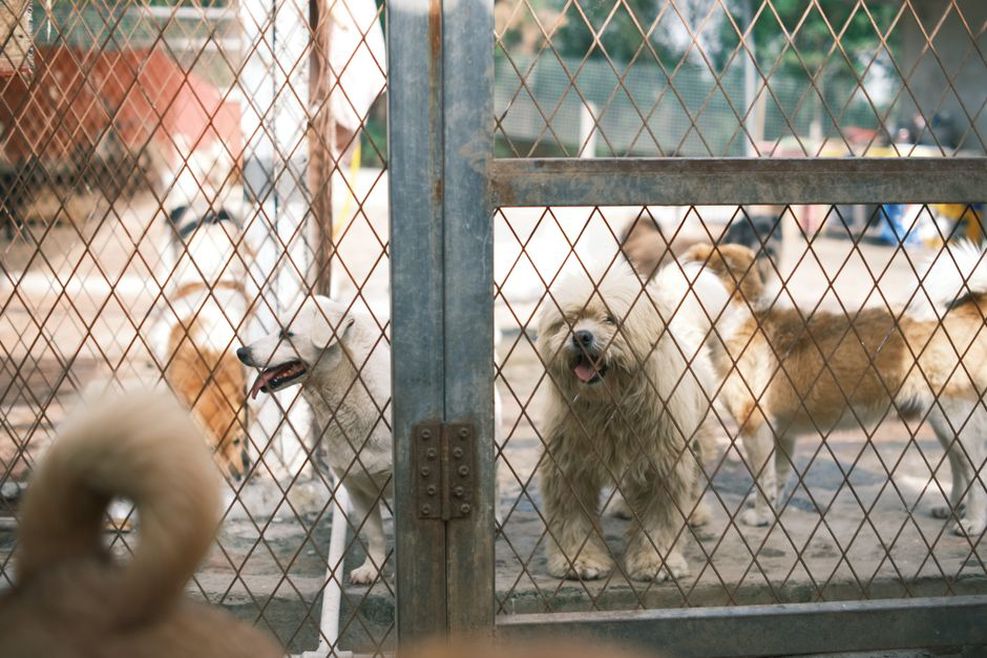
Ask what the rescue has seen of the dog outside its kennel. A dog that barks behind a gate may settle in a quiet home; one that seems calm during a short visit may struggle when left alone. Neither encounter tells you much on its own. The useful distinction is between what staff or foster carers have observed and what nobody knows yet.
Start with the dog’s known history
“Why was this dog surrendered?” is a fair question, though the rescue may have only part of the story. Ask where each detail came from and when it was last observed.
- How long has the dog been with the rescue, and where has it stayed: in a kennel, a foster home, or both?
- What is known about previous homes, daily routines, or reasons for surrender?
- Has the dog been adopted and returned? If so, what did the adopter report?
- Which details have staff or foster carers seen firsthand, and which came from a previous owner?
A return does not automatically mean the dog is unsuitable. It may point to a particular mismatch, such as distress during long absences or difficulty living with another pet. Ask what happened rather than treating a label as a diagnosis.
Ask about behavior in specific situations
“Good with dogs” and “needs an experienced owner” can mean different things to different people. Ask what happened, where, and how often. Stress, pain, unfamiliar people, and a change of setting can all affect behavior, so look for patterns without expecting guarantees.
People, animals, and handling
- How does the dog respond to unfamiliar adults or children? Has anyone seen it living with children, or only meeting them briefly?
- What happens when it sees other dogs on walks? Has it shared a home with one?
- Has anyone observed it around cats or small animals, or is that unknown?
- How does it react to touch, grooming, or restraint? What happens when someone approaches its food, toys, or resting place?
If the rescue mentions a bite or another serious incident, ask what led up to it, whether skin was broken, and what has helped manage the behavior since. You need enough detail to judge safety and the support you could provide, not a reason to blame the dog.
Time alone, noise, and daily activity
Has anyone seen the dog alone in a home, and for how long? Barking in a kennel does not establish separation-related distress. A foster carer may be able to tell you whether the dog paces, vocalizes, or settles when left. Ask how it responds to traffic, visitors, stairs, car rides, and household sounds. If you regularly play loud music at home, ask about any observed sensitivity to sound. Start quietly and give the dog a separate place to rest rather than assuming it will adapt.
Pair “How much exercise does this dog need?” with “What happens after a normal walk?” Some dogs benefit as much from time to sniff and decompress as they do from strenuous activity. Ask about sleep, play, and whether the dog settles indoors.
Get the medical record, not just a health label
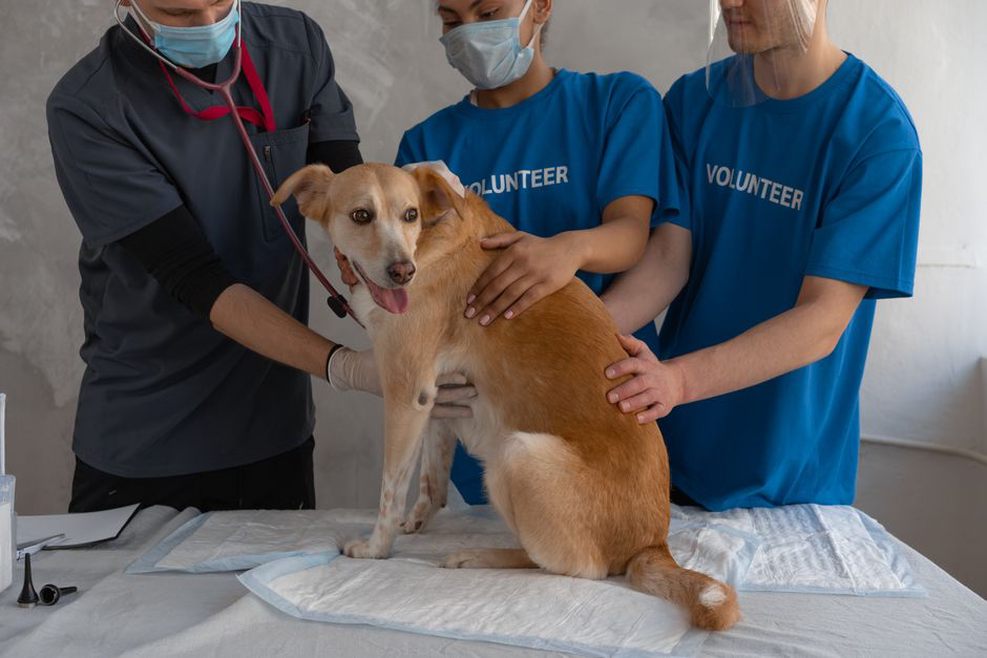
Ask for copies of the available records: vaccinations, parasite treatments, spay or neuter status, medications, known injuries, and veterinary recommendations. When did the dog last see a veterinarian? Is a condition diagnosed, suspected, or simply being monitored? If the dog takes medication, confirm the dose, how much remains, and when follow-up is due.
Dental care, skin problems, mobility changes, and ongoing medication can affect both costs and daily care. The rescue may not have the dog’s full medical history, so plan an initial visit with your own veterinarian. If you are considering insurance, check the terms before assuming an existing condition will be covered.
Check whether your household can meet the dog’s needs
Ask what kind of home the rescue recommends, and why. “Needs a yard” might mean the dog benefits from private outdoor space, or it might reflect difficulty coping with busy streets. Those call for different solutions. Be specific about your schedule, housing rules, other animals, and access to outdoor space; then ask what might be difficult for this dog.
If you have children or resident pets, ask how the rescue arranges introductions and what it can realistically assess. A controlled meeting gives you information, not a promise that everyone will get along at home. Work out how you will keep animals separate and supervise them while they adjust. If someone in the household cannot take part in the decision, ask for another visit before committing.
Understand the adoption agreement and first weeks
Find out what the adoption fee covers, when you will receive medical and identification records, and how microchip registration is transferred if the dog has one. Read the agreement for requirements about veterinary care, housing, or returning the dog. Does the rescue offer a trial period, behavioral guidance, or support after adoption? What happens if the placement cannot continue? Policies vary, so ask for the terms in writing.
Ask what the dog eats now, what equipment it uses, and which routines have helped it settle. Even a good match may need time before its behavior at home becomes clear. Keep the first days predictable, provide a quiet place to rest, and hold off on visitors. If a serious concern comes up, contact the rescue and an appropriate professional early rather than waiting for it to become a pattern.
Before signing, write down three answers you still need: one about observed behavior, one about health, and one about the agreement. If the answer to any of them is “we don’t know,” make a plan for that uncertainty. For instance, if nobody has seen the dog alone at home, could someone stay with it during the first week while you learn how it copes?