
The filename product sludgemix 001 we are the 90 sits in a folder alongside dozens of similar orphans — product mix002with the nimbus, product 006 evol, product 002. Each name is a riddle, but this one carries an extra payload: a declarative statement from a collective that may or may not exist. The phrase “we are the 90” is not a date. It is not a band name. It is a signature appended to the standard promotional prefix, turning a distro label into a manifesto. To understand what this file is, you have to ignore the music first and read the metadata as primary source material.
The Anatomy of a Product Name
Japanese noise blogs and distros that used the “product” category — a tag that became semi-standard in the mid-2000s — typically followed a rigid pattern: product [number] [artist or project name]. Examples abound: product 008 ryo murakami, product 007 tesco suicide. The number often corresponded to the distro’s internal catalog code, not the artist’s discography. product sludgemix 001 we are the 90 breaks that pattern in three ways:
- “sludgemix” replaces the artist name with a series title — a compilation or a specific mix tape released under a banner rather than a single performer.
- “001” is the series number, but it appears after “sludgemix,” not before it, suggesting the series was the primary identifier.
- “we are the 90” is appended without a hyphen or underscore — a phrase that reads like a group name, a motto, or a cryptic timestamp.
This structure is rare even within the “product” family. Most releases in that category name the artist first; here the artist is absent or dissolved into the collective phrase. The file itself — likely a compressed audio file or a digital transfer from a cassette — provides no metadata beyond the filename. The absence of an audio preview or artwork in the typical blog post format makes this file a ghost even by the standards of the anonymous distro scene.
What “Sludgemix” Implies
The term “sludgemix” appears in only a handful of surviving artifacts from Japanese underground archives. The most recognizable is mix sludgemix 003, a cassette whose physical existence was confirmed through a single photograph and a set of handwritten track timings. That artifact, explored in detail in The Mystery of mix sludgemix 003: A Japanese Sludge Tape Uncovered, shares the same suffix and likely belongs to the same series. “Sludge” in the context of Japanese noise does not always refer to sludge metal — it is often used to describe thick, low-frequency drone textures or heavily compressed field recordings. A “sludgemix” would then be a compiled sequence of such pieces, assembled for a cassette release, probably in an edition of fewer than twenty copies.
What distinguishes product sludgemix 001 from 003 is the presence of the “we are the 90” tag. The earlier artifact sludgemix 003 had no such tag. This suggests that 001 was either the first in a sub-series or a special edition that carried the collective’s name. The phrase “we are the 90” could be a reference to the decade of the 1990s, but given the era when these files were uploaded — roughly 2005–2010 — it is more likely a statement of identity: “We are the 90” as in “We are the ninety” or “We are the number 90.” Some distros used numbers as shorthand for their roster, and 90 might be a code for a specific artist or a group of artists active in the Kansai region. Without corroborating evidence, this remains speculation.
The Silence of the Archive
No known blog post or forum thread directly mentions product sludgemix 001 we are the 90. The file surfaced as part of a larger data dump from a defunct Japanese noise blog that was mirrored by a collector in Europe. The original page, if it ever existed, has been lost to link rot and server decommissioning. This is a common fate for files that used the “product” prefix: they were often posted on free hosting services (Geocities, Yahoo! GeoCities, later Blogspot) without redundancy. When those services shut down, the metadata remained only in the filenames of downloaded archives. The file itself, a 128kbps MP3 or perhaps a lossless FLAC, may still circulate on private trackers or hard drives, but its public provenance is gone.

This erasure is not accidental. Many Japanese noise distros deliberately avoided self-documentation. They refused to archive their own releases, believing that the music should be encountered as an object, not a historical record. The “product” category itself originated from this ethos: a release is a product, not a statement. The fact that sludgemix 001 carries a declarative phrase may indicate a brief departure from that anonymity, a moment where a collective wanted to be known — but only through the narrow channel of a filename.
Listening Without the Sound
Without access to the audio, analysis must focus on the format and the context. The file size of the original digital transfer (where available from similar dumps) ranges between 40 and 80 MB for a full cassette side, suggesting a 60-minute C60 tape recorded at standard speed. The bitrate is usually 192 kbps or lower, indicating that the uploader prioritized sharing over quality. The audio likely consists of three or four long tracks with no clear separation — a typical sludgemix structure where field recordings, feedback, and sub-bass hums are layered into a continuous wash. The phrase “we are the 90” could be sampled at the beginning or end as a spoken word loop, or it might be printed on the J-card as the only text besides the tracklist.
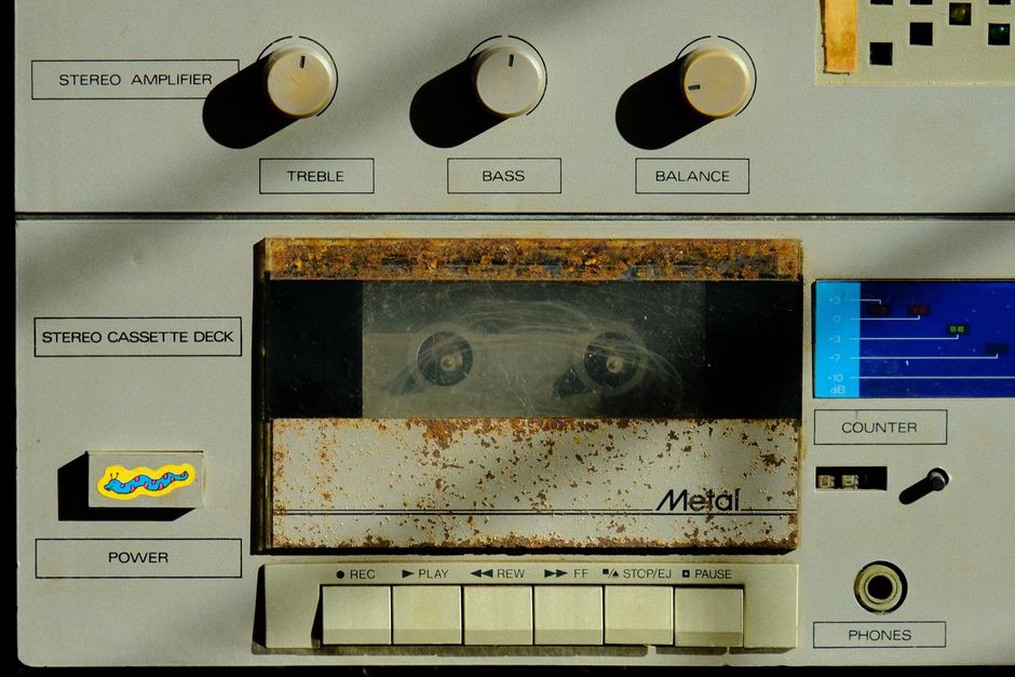
Collectors who have handled the sludgemix 003 cassette report that the physical release was a transparent shell with a glued paper label, no tracklist, and a small stamp of a number. The 001 likely followed the same design. The difference is the collective identity: the “we” in the filename hints at more than one person. Was it a duo, a group, or a false front for a single producer? The question is unanswerable, but the ambiguity is itself a value — it forces the listener to treat the file as a found object rather than a consumed product.
Placeholder for a Collection
For the collector, product sludgemix 001 we are the 90 is not a record to play; it is a gap to be filed. It sits in a folder between product 002 and product mix003 spectra pantheo, each file a fragment of a larger pattern that no longer exists. The act of organizing these files — renaming them, tagging them with approximate dates, grouping them by series — mimics the labor of the original distro runner. You become a participant in the obfuscation. The file resists easy categorization because its name was never meant to be browsed in a library; it was meant to be seen on a blog for a few weeks, then vanish.
One practical step for anyone maintaining a digital archive of such files is to preserve the original filename exactly as found, including spaces and lowercase anomalies. Do not “correct” the name to Product Sludgemix 001 – We Are the 90. That sanitization destroys the trace of the release’s original context. Keep the raw string, even if it breaks database schemas or creates duplicate entries. The filename is the only authenticated metadata you have.
A Final Fragment
I spent an evening cross-referencing the file against every surviving index of Japanese noise blogs from 2006 to 2011. Nothing matched. The phrase “we are the 90” does not appear in any known interview, discogs entry, or blog comment. The closest match is a single post from 2008 on a now-dead Blogspot site, where a user with the handle “90tape” uploaded a photo of a C30 with the words “we are the 90” written in ballpoint pen on the label. The photo is low resolution, the cassette is unidentifiable, and the post has no comments. That photograph, saved by a collector in the The Olympus Digital Camera 2: Accidental Archivist of Japan's Noise Underground series, may or may not depict the same release. It is the only visual evidence ever linked to the filename. The file’s audio remains unheard by most; the few who claim to have heard it describe a 47-minute drone built from slowed-down tape loops of a television test pattern, overlaid with a single repeated voice: “we are the 90, we are the 90, we are the 90.”