
Forty minutes of rules can eat up a family game night, especially when one player is six, another has just finished a long workday, and everyone needs to be in bed within two hours. Start with the people and the time available, then choose a game. No single choice has to be everyone's favorite. It does need to give each person a way in without leaving them confused, bored, or put on the spot.
Set the boundaries before choosing a game
Decide when play will start and end, allowing time for rules, a break, and cleanup. With mixed ages, one short opening game followed by a longer activity is often easier than making choices as you go. A clear end time also helps anyone who finds it hard to leave a game unfinished.
Ask about preferences beforehand, particularly if someone dislikes loud competition, reading aloud, physical challenges, or timed turns. Keep it practical: would they rather work together, play on a team, or compete individually? Nobody should have to explain a disability, anxiety, or a difficult day to decline an activity.
Work around the household's usual schedule. A late meal can leave too little time for a complicated game. Younger children may do better before their regular bedtime, while a relative joining remotely may need a fixed start. Choose a date and duration that suit the person with the least flexibility, rather than assuming everyone can stay for the final round.
Choose for the group you have
Check player count and estimated length, but look past the age label to see what the game asks of people. Does it rely on dense cards, quick reactions, fine motor control, or knowledge of a particular subject? An age recommendation is a useful first filter; it won't tell you whether a new player will enjoy waiting through someone else's long turns.
Three formats are worth considering:
- Cooperative play gives everyone a shared problem to solve. Losing may sting less, but confident players need to resist making every decision.
- Team play can bridge an experience gap. Give younger players real choices instead of letting an adult move their pieces or supply every answer.
- Short individual games suit people who enjoy competition at different skill levels. Frequent resets make a loss less consequential than an early exit from a long game.
A wide age range doesn't mean everyone must do the same thing all night. A simple drawing or word-association round can bring the group together; later, children who are ready to stop can leave while others try something more demanding. If a child cannot yet read, use visual clues or pair them with a willing adult. Check that the adult still gets to play, too.
Skip elimination games if an early loss would leave someone watching for most of the evening. Save complicated strategy games for a group that actually wants to learn one. Between two unfamiliar choices, pick the game you can teach in a few minutes and stop at a natural break.
Prepare the space, not just the rules
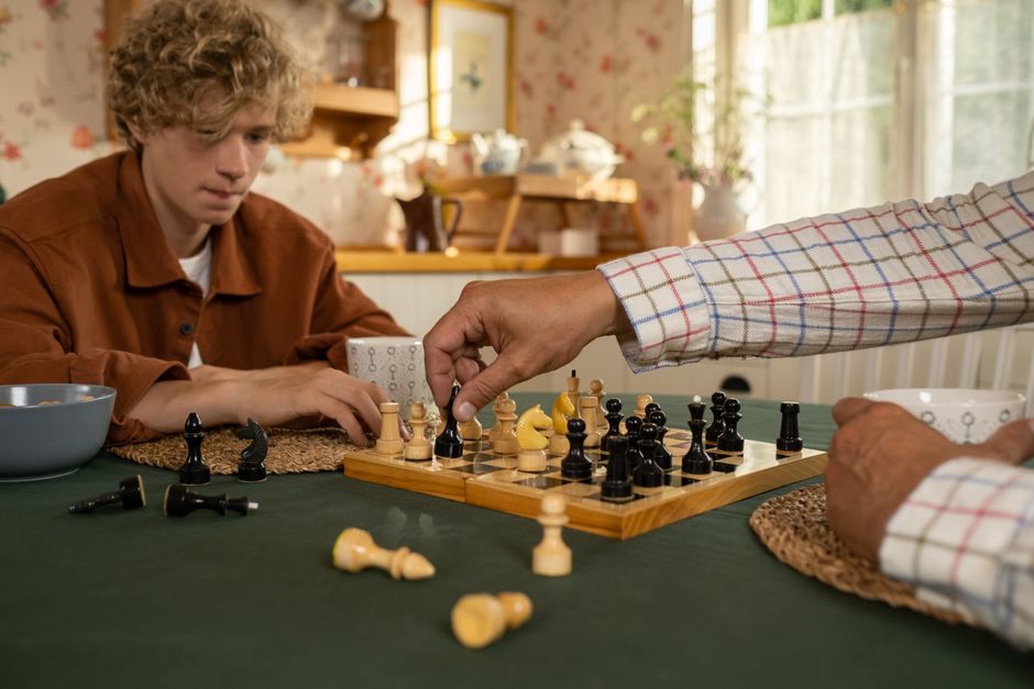
Clear enough table space for the game and for players to position their hands or mobility aids comfortably. Use chairs that suit them rather than expecting everyone to sit on the floor. Good light helps with small text and similar card colors. Someone who needs glasses to read should be able to sit near the cards, not peer at the board from across the table.
Keep the sound level workable. Background music is fine until it competes with clues or instructions; turn it down or off if people keep asking for repeats. A quieter corner gives someone a place to step away from conversation. If a game depends on identifying sounds or listening closely, test the volume first and offer another way to take part if hearing is difficult.
Put drinks on a separate surface if a spill could ruin cards or make the floor slippery. Choose food that won't leave greasy fingers on shared pieces, and check dietary needs before making snacks central to the evening. Keep water within reach and plan a pause between games rather than interrupting play constantly.
Teach one turn, then begin
Read the rules beforehand if the game is new to the group. Sort the components and check for missing pieces before guests arrive. You can set up a time-consuming board in advance while still leaving room for someone who enjoys helping to arrange it.
Explain the goal, what happens on a turn, and how the game ends. Then demonstrate a turn with the pieces in view. Leave rare exceptions until they come up, unless doing so could unfairly penalize a new player. If turns have several steps, try a practice round and agree beforehand whether its scores count.
Ask one person to check the rulebook when needed, but don't make them the group's permanent decision-maker. In a cooperative game, hear each player's idea before offering advice. When someone asks for help, give them a couple of options and let them choose. Help should not quietly become control.
Set a rule for disputes: pause, check the written instructions, and make a temporary ruling for the session if the answer is still unclear. Note the question to look up later. A twenty-minute argument over a minor point rarely helps, but changing a rule midgame without telling everyone is frustrating too.
Make competition comfortable without removing it
Winning can be fun; feeling pressured to perform is another matter. Don't tease someone about repeated losses, announce a teammate's mistake to the room, or push a reluctant player to take another turn. Notice a clever move without treating the final score as a measure of ability.
If experienced players keep winning, try a game that mixes luck with skill, rotate teams, or let newcomers learn in an open practice round. A handicap can work if everyone agrees to it; imposed without discussion, it may feel patronizing. A younger player gets more out of making real decisions than from an adult secretly throwing the game, which can make the rules harder to follow.
Settle a few small questions before children disagree: are take-backs allowed, may teammates suggest moves, and who handles the pieces between turns? It's easier than inventing a standard after someone gets upset.
Keep a second option ready
The planned game may not fit the mood when everyone arrives. Have one easy alternative ready: a deck of cards and a simple game you've agreed on, paper for drawing prompts, or a collaborative guessing activity. A backup also helps if someone cannot attend and your first choice needs a specific player count.
If interest fades, there's no need to finish just because the box says the game takes an hour. Stop at the end of a round, or record the position if you can resume later. With a new game, ask after a couple of rounds whether people want to carry on. That gives quieter players a chance to answer without having to interrupt.
Make room for someone to stay nearby without playing. They might sketch at the table, sort pieces for the next game, or simply watch. Don't automatically assign a job to the person who wanted a break.
Leave room for next time
At the end, ask a few specific questions instead of requesting a verdict on the whole night. Were the rules clear? Did turns drag? Was it too noisy to talk? Someone may have enjoyed the company but not the game, and know exactly what they'd change next time.
Jot down the player count, which game held people's attention, and any adjustment worth repeating. Keep the pieces together and check the floor before closing the box, especially if small components could be a risk for younger children or pets. If the group wants a rematch, write down any temporary rule you used so everyone returns to the same version.