
A low electrical hum runs beneath a recording for several minutes. Then a scrape makes you hear the hum differently: it belongs to a room. Elsewhere, a passing vehicle seems to dominate until its engine fades, leaving a quieter mechanical rhythm behind. Such shifts change what counts as foreground, background, or interruption. The loudest sound is not always the one holding a piece together.
“Japanese experimental music” is a useful point of entry, not a unified sound. Noise, ambient, drone, electroacoustic work, and field recording describe different practices; an artist may move among them in a single performance. Geography offers no shortcut either. A sound made in Japan does not necessarily document a Japanese place, while a recording that suggests a place may have been assembled from oscillators, processing, and room tone.
What a soundscape asks of the listener
Soundscape can mean an acoustic environment, a recording of one, or a composition that gives the impression of an environment. The distinction matters. In a field recording, microphone placement determines which parts of a place come forward. Studio editing can make unrelated sounds seem close together. At a live performance, the venue’s ventilation, reflections, and incidental noise mingle with the work.
On a first listen, follow relationships rather than sources. What persists? What appears briefly, and what gets masked? A sustained tone might come from an instrument, an amplifier, or a recorded machine; sound alone may not settle the question. You can still hear its role. Does it hold steady, drift in pitch, or vanish beneath a louder texture?
This approach avoids treating experimental sound as an endurance test or a puzzle with one correct solution. Some works are physically intense. Others are quiet enough that your own room becomes audible alongside them. Neither volume nor obscurity tells you how carefully a piece is made. Changes in density, duration, and apparent distance often tell you more than a genre label.
Noise has a foreground and a floor
Harsh noise can seem continuous, especially through small speakers or at a volume that flattens its contrasts. At a moderate level, listen for a floor beneath the sharper bursts: low-frequency pressure, steady hiss, perhaps a recurring pulse. Then pay attention to the edges. Does a new texture replace the last one or pile on top? Is distortion hiding a rhythm, or making irregular gestures sound alike?
Merzbow’s extensive discography makes any account of Japanese noise based on one track or period inadequate. The work is a reminder that distortion need not be an effect added at the end of production. Feedback, saturation, amplification, and abrupt changes of level can be the material of the composition. In live noise, movement around the equipment may produce an event that will not recur exactly on another night.
“Japanoise” may help someone find the music, but it can also blur differences among artists, methods, and decades. Pain Jerk’s high-density electronics, for example, are no template for every Japanese noise performance. Two works may share harshness yet move very differently: one holds the pressure; another relies on gaps and sudden cuts. Those choices make a better basis for comparison than presumed national traits.
When ambient and drone refuse to stay still
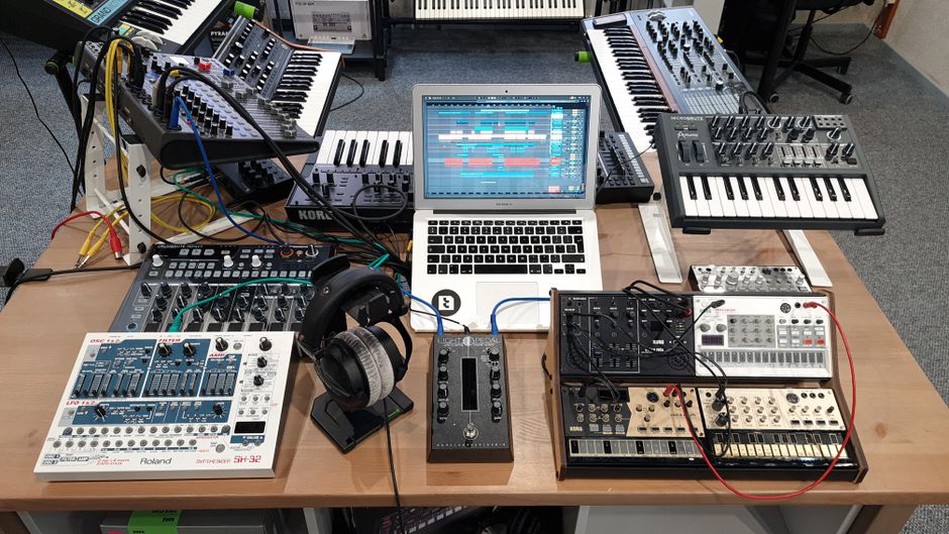
Ambient is often described as unobtrusive, though it can demand close attention. A faint layer may take minutes to separate from the hiss behind it; a slight change of pitch can alter the balance of the whole recording. Drone need not be an unmoving note, either. Nearby frequencies beat against each other, producing pulses without percussion. Shifting overtones can make a steady pitch feel rougher or more open.
In works by Hiroshi Yoshimura, recurring tones and restrained arrangements draw attention to the spaces between events. His recordings are often grouped under Japanese ambient, but that label says little about their timing. Keep the playback level steady through a passage. Hear when a tone starts to decay, when another enters, and whether the apparent quiet contains an ongoing sound. “Calming” misses much of what happens there.
Keiji Haino gives listeners another reason to cross category lines. His work can involve electric guitar, voice, percussion, or sustained electronics, and its intensity ranges from near stillness to overwhelming volume. Rather than looking for a fixed genre mood, listen to how a sound continues, breaks, or changes under close pressure. A long-held tone can seem stable until an interruption exposes its instability.
Field recordings do not offer a transparent window
A microphone hears from one position, with its own sensitivity and directionality. Bring it closer to a drain, an air vent, or a cluster of voices, and the hierarchy of a place changes on the recording. Playback changes it again: a low engine vibration felt in the body on location may barely register through laptop speakers. Documenting a real event is not the same as reproducing the experience of standing there.
Japanese sound artist Toshiya Tsunoda’s work is useful here. Contact microphones and other recording approaches can bring out vibrations ordinary listening misses. The result need not be a portrait of a recognizable place; it may direct attention to a surface carrying vibration or a boundary transmitting sound. When such a recording sounds unfamiliar, that strangeness is no proof that the source is electronic.
Release notes may identify a location or technique. Without them, sound alone rarely justifies a precise claim about where, when, or how something was captured. Titles can guide interpretation without settling what the audible evidence shows. For more on listening past a city’s most identifiable noises, see Tokyo Urban Sound Art: Listening Beyond the City’s Familiar Signals.
Electroacoustic sound makes the source unstable
Electroacoustic work often puts recorded sounds, electronic generation, and acoustic instruments in contact. Guessing which is which is not always the most useful response. A struck object can be processed until its decay resembles a synthesizer; an oscillator can waver like an unsteady mechanism. Listen for the change instead. Does a recognizable attack give way to an unfamiliar tail? Does a fragment become rhythmic through repetition?
Otomo Yoshihide’s wide-ranging work shows why an artist’s name alone cannot tell you what you will hear. Turntables, guitar, improvisation, and composed material all figure in his practice. A turntable might play an existing record, or become a source of friction, rotation, interruption, and feedback. What the device does in a particular piece matters more than its usual function.
Improvisation complicates source identification further: a sound may be a response rather than a planned effect. A performer might leave space after an unexpected resonance or cut off a texture that has grown too stable. In an ensemble recording, follow one element for thirty seconds. Does another player echo its shape, oppose it, or wait for it to end? You can describe those audible decisions without claiming to know anyone’s intentions.
The release format changes what survives
Experimental soundscapes reach listeners as recordings, performances, installations, and small-edition objects. Each carries a different experience. A stereo release fixes a listening perspective that a live room does not. At a concert, audience movement and speaker placement matter; in an installation, listeners may choose where to stand and how long to stay. None is automatically the definitive form of a work.
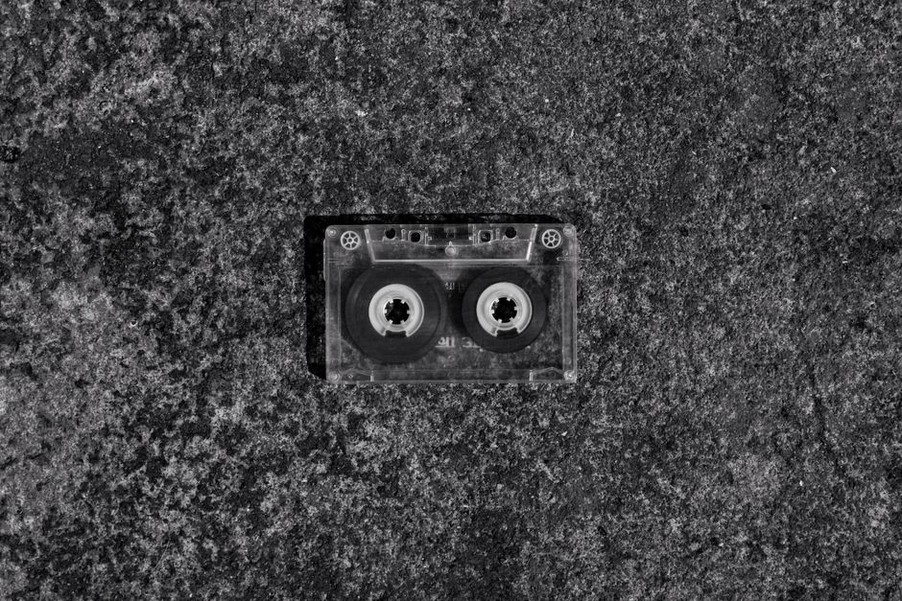
Cassettes introduce their own variables. Hiss may come from the source recording, the tape, or both. Duplication, playback equipment, and wear can change what reaches the listener. But that does not make every tape murky or every digital edition clearer; mastering matters too. When comparing formats, match playback levels as closely as you can before attributing a difference in texture to the music.
DIY circulation also leaves gaps in the record. A tape may have sparse notes, a handwritten label, or a catalog entry with little more than an artist and title. For collectors, those gaps can be frustrating. Guessing at dates, locations, or edition sizes only makes later research harder. Keep what is printed on the object separate from a seller’s account, an archive entry, and your own listening notes.
A listening method that works across styles
A first play seldom reveals everything, particularly when quiet passages sit beside sudden peaks. Before listening again, jot down a few things you can hear rather than a verdict. Try this with a short piece or one passage from a longer recording:
- Set a comfortable level. Do not turn up a quiet opening so far that a later burst becomes painful; lower the volume if needed.
- Mark the persistent sounds. Note hum, hiss, room tone, or sustained pitches without assigning sources too soon.
- Track one change. Mark where an event begins, whether it overlaps another, and how it ends.
- Check the playback setting. Headphones may reveal small details; speakers let you hear the sound interacting with your room.
- Read the release information afterward. Compare your notes with any credited instruments, recording methods, or locations.
This will not recover an artist’s intentions or identify every ambiguous source. It gives you evidence for describing what you heard. If a piece seems motionless, check for slow shifts in spectrum or loudness. If it seems chaotic, listen for gestures that recur. The second play now has a question to answer.
For a starting exercise, take a two-minute passage and mark three moments: the first audible entrance, the point of greatest density, and the last sound to fade. Leave the source column blank until playback ends. Compare what entered first with what remained last; the difference can make the piece’s shape easier to hear.