
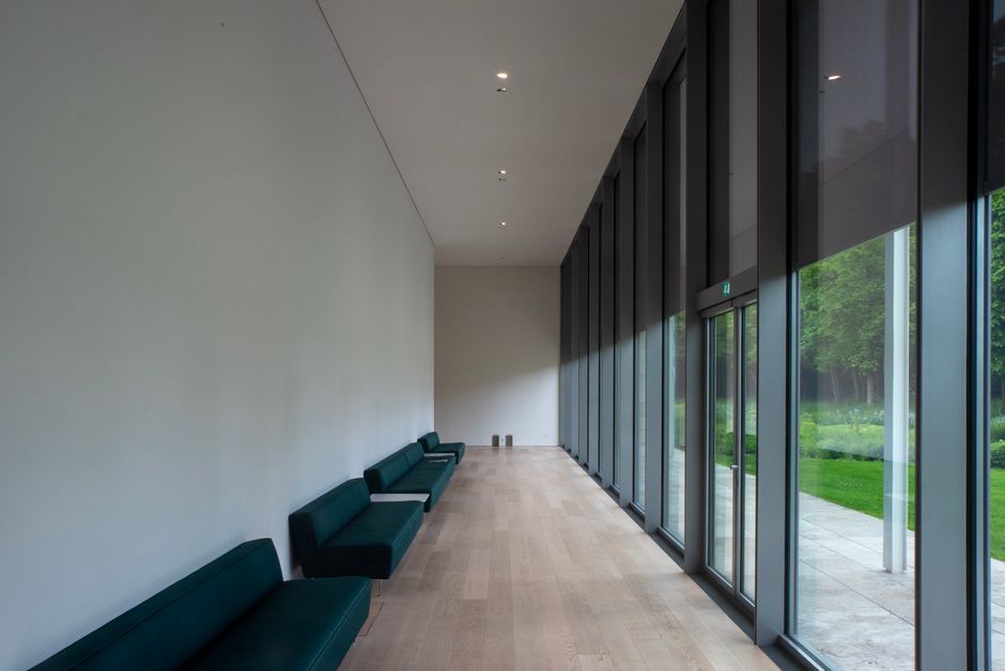
Hiroshi Yoshimura’s Music for Nine Post Cards was conceived in relation to the Hara Museum of Contemporary Art in Tokyo. That connection matters. The album’s title, modest scale and association with an art space suggest music meant to coexist with its surroundings, not command them. Heard decades later through headphones, the sounds remain, but the room around them has disappeared.
That distance between a work and the place where we hear it helps explain the cultural echoes of Japanese ambient music. Recordings pass through exhibition spaces, homes, shops, cassette collections and streaming platforms. Each setting changes what listeners notice and what they imagine the music was made to do. The echo need not come from an ancient tradition; it may belong to a particular listening situation that no longer exists.
What the word “ambient” can hide
“Japanese ambient” is a useful point of entry, though the label gathers music made for different purposes. Kankyō ongaku, often translated as “environmental music,” can describe work attentive to a space or to the activity within it. An instrumental album made for domestic listening might move at a similarly restrained pace without serving the same function. Import shops, reissues and online playlists can place both under one genre tag.
This is not a test of authenticity. It helps explain why a passage might sound understated: music that accommodates conversation or movement has a different relationship to attention than a concert piece asking listeners to sit still. Our discussion of Japanese environmental music beyond the mood label examines that distinction in more detail.
Design, circulation and everyday use
Japanese ambient also sits within the design culture of the late twentieth century, when sound could be considered alongside architecture, display and everyday objects. That does not make every delicate keyboard phrase commissioned background music. It means some artists worked in a climate where the intended place of listening mattered as much as the record format. Yoshimura is useful here because his work crosses those boundaries: an album can reward close attention even when its ideas grew out of thinking about environments.
Detach a piece from its original use and its character can shift. Music associated with a public interior becomes private headphone listening; a recording once bought by a relatively narrow audience reaches people who have never seen its original packaging. The sleeve, accompanying text and distribution route offer clues about whether the music addressed a room, a visitor or a record buyer.
For collectors, original editions and later reissues may carry the same recorded performance but frame it with different artwork or explanatory language. That framing can shape expectations before the first note. For musicians, the more useful question is not how to copy a sound, but what a piece should do. Can it tolerate interruption? Should it respond to a building’s acoustics, or reward uninterrupted listening?
Tradition without a shortcut
Silence, nature and Zen often appear in descriptions of Japanese ambient. They can raise worthwhile questions about space and attention, but they turn into shortcuts when used as automatic explanations. A quiet synthesizer does not establish a religious source. An unhurried composition does not express a timeless national character. Such readings obscure the choices of individual musicians working with particular instruments, budgets and recording methods.
Start instead with what can be heard or documented. Does a recording leave room for surrounding sound, or build a self-contained atmosphere? Does a long decay come from an acoustic space, an electronic effect or the instrument? If a title names a place, is there evidence the work was made for it? When the answers are unavailable, uncertainty is better than an elegant cultural explanation.
Three distinctions that keep the context audible
- Reference versus function: A title may evoke a garden without the music having been played in one.
- Restraint versus doctrine: Sparse notes describe an arrangement; they do not establish a philosophical source.
- Place versus atmosphere: A field recording documents some sound from a location, while a studio work may only suggest a sense of place.
None of this strips the music of cultural meaning. It keeps that meaning tied to things a listener can investigate rather than to a ready-made idea of Japan.
Listening across neighboring practices
Ambient, drone, electroacoustic composition and field recording overlap, but their differences are worth hearing. A drone may draw attention to small changes within a sustained tone. An electroacoustic work may foreground changes to a sound source. A field recording may retain recognizable activity from its location. Ambient music can use any of these approaches for another purpose: a sustained sound might give a piece continuity rather than become its main event.
Ryuichi Sakamoto’s work shows why an artist’s name is a poor genre boundary. Across his career he worked in pop, film music and experimental settings as well as quieter electronic forms. To understand the context of a particular recording, a listener needs its date, collaborators and stated purpose, not just its place on an ambient playlist. Compilations call for the same care. They can reveal connections while making works produced under separate circumstances seem like parts of one unified scene.
The echo created by rediscovery
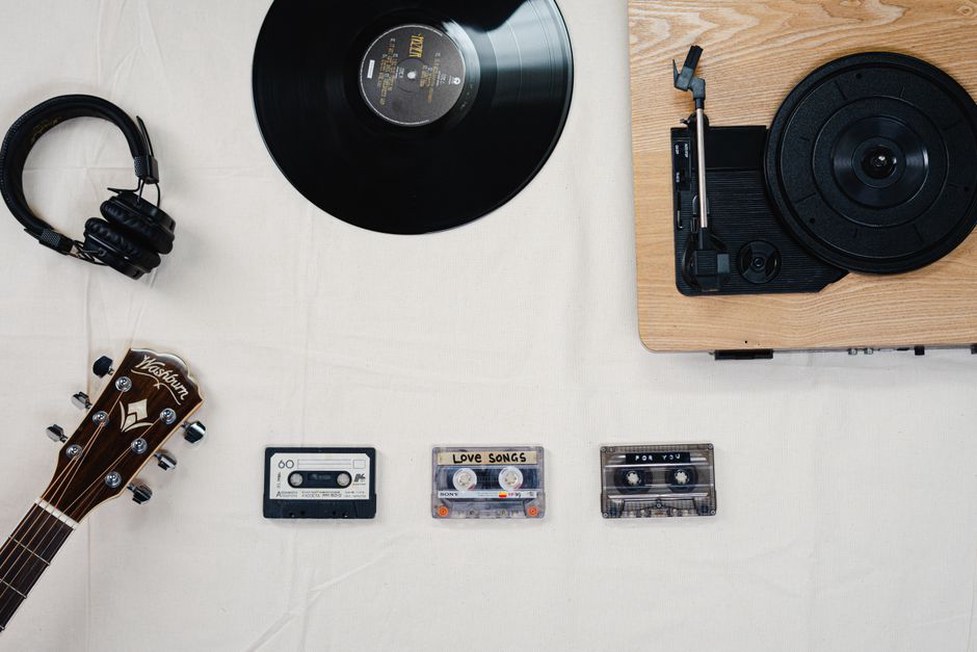
Renewed interest in older Japanese ambient recordings has made some music easier to find and changed how it is heard. A reissue can bring back an unavailable album and provide valuable documentation. It can also favor a single story in which every work becomes evidence of an overlooked movement. Discovery is not neutral: selection, sequencing and packaging affect which artists seem central and which differences fade.
Try playing a track from Music for Nine Post Cards once at close headphone volume, then quietly through speakers while you do something else. Does a repeated figure feel like the subject of the piece, or part of the room’s continuity? Neither playback recreates the Hara Museum. The difference between them makes your own listening situation easier to hear.