
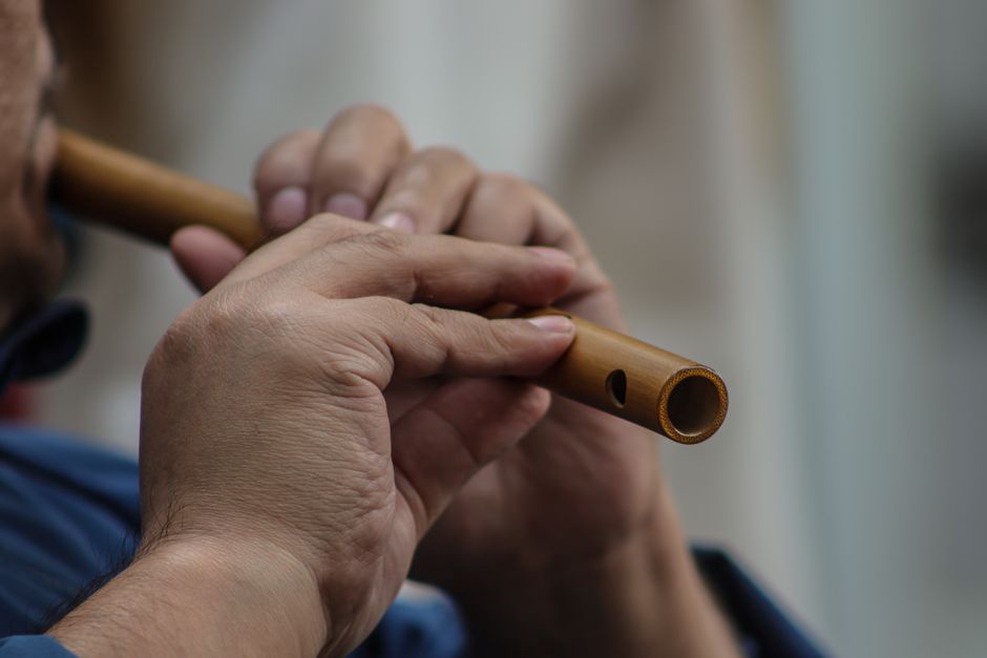
A shakuhachi note and an electronic tone may last the same length of time, but they draw attention to different things. On the flute, changes in breath pressure and finger position remain audible. Through an amplifier, small adjustments to circuitry can make a sustained tone just as unsteady. The resemblance does not make noise music a direct descendant of traditional performance. It does, however, point toward a recurring question in Japanese experimental music: what counts as musical material, and how does the way it is made change what we hear?
Tradition was never one sound
“Traditional Japanese music” covers practices with different histories and purposes. Court music, theatrical forms, regional folk performance, and music for instruments such as shamisen or shakuhachi cannot be reduced to a shared preference for silence or restraint. Some use dense ensembles; others lay bare the grain of a single note. These are living practices, not a store of old sounds waiting for an electronic update.
A story that moves neatly from tradition to noise can imply that one era ended as another began, or that harsh sound is an ancient aesthetic played through modern equipment. Neither claim tells us much about a particular record. A performer may use an inherited instrument, reject its conventional technique, or have no interest in it at all. Any connection needs to be heard and documented in the work, not supplied by a listener’s idea of Japan.
The shift toward sound as material
Japan’s postwar experimental music took shape across composition, improvisation, electronic studios, visual art, and performance. Jikken Kōbō, formed in 1951, brought composers and artists together on projects involving new media. In the 1960s, Group Ongaku pursued collective improvisation using instruments and other sound-producing objects. Neither was a noise act in the later underground sense. Their work does help locate a shift in emphasis: texture, accident, and physical action could organize a piece as surely as melody.
Electronic composition opened up other choices. Tape could be cut and reordered, recorded sound played at a different speed, and a tone stripped of its recognizable source. None of this required extreme volume. What changed was the expectation that a musical event should retain the identity of an instrument. The results could be quiet electroacoustic detail, extended duration, abrasive density, or some combination of these.
What changed in the act of listening?
- Source: A sound might come from an instrument, a recorded environment, an electronic circuit, or an object put under pressure.
- Control: Feedback and improvisation let performers shape results they could not fully predict.
- Structure: Changes in density, frequency, and duration could carry a piece without a conventional tune.
- Setting: A small room, a gallery, and a home stereo brought out different details in the same performance or recording.
These were possibilities, not a single national style. Volume alone is a poor test for noise: a nearly inaudible scrape can unsettle expectations as effectively as a wall of distortion.
Free improvisation and the underground
By the late 1960s and 1970s, Japanese free improvisation was challenging musical convention in more direct ways. Guitarist Masayuki Takayanagi’s fierce electric performances and percussionist Takehisa Kosugi’s work with collective improvisation treated instruments as generators of events rather than vehicles for familiar phrasing. That does not place them and every later noise artist in one continuous lineage. It does show that amplification, group interaction, and unconventional technique had become subjects of sustained inquiry.
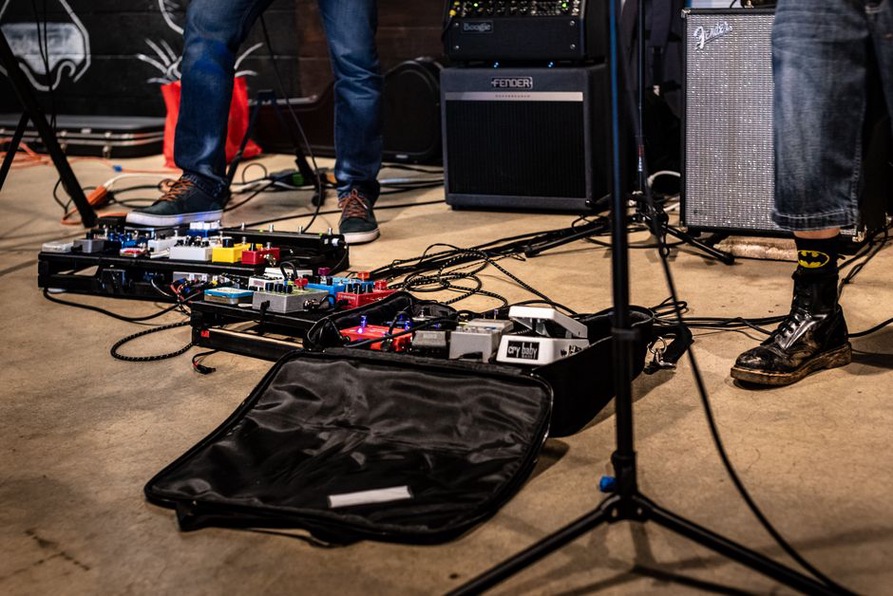
In the following decades, artists associated with Japanese noise pushed recording and performance toward other limits. Merzbow’s extensive output made distortion, saturation, and abrupt shifts central to composition. Hijokaidan became known for volatile live performances that a studio recording could not fully contain. Keiji Haino’s work moves across rock, improvisation, and solo performance without settling into one genre. Listen for the shape of a piece, the extent of repetition, and the link between gesture and sound before treating these approaches as interchangeable. A closer account of [the pioneers and legacy of Japanese noise](/pioneers-of-noise-japan-legacy/) helps place those differences in context.
Why the medium matters
Noise circulated through more than high-profile performances. Independent labels, mail exchange, small venues, and home recording gave musicians ways to share work without institutional approval. Cassettes were useful for copying and distributing recordings on a modest scale, although availability and sound varied by release. Tape hiss may be part of what we hear; it is not, by itself, an artist’s entire aesthetic. The history of [cassettes as format, archive, and exchange in Japan’s experimental music](/k7-tapes-cassette-culture-japan/) makes the practical side of that circulation clearer.
Format also affects what survives. A live performance may leave only a rough recording, while a cassette may preserve a version quite different from a later digital transfer. Release dates, reissues, and changed track listings can confuse the chronology. If the information is available, note the recording date and the edition separately when tracing an artist’s development. A polished reissue does not necessarily convey the conditions in which the music first circulated.
No single destination
The networks that supported abrasive noise also sustained quieter work in drone, ambient music, electroacoustic composition, and field recording. These approaches overlap, but they are not stages in a progression from old to new or soft to loud. A field recording may keep the sound of a place identifiable. A drone can bring tiny changes over time into focus. Noise may make the distance between listener and sound source seem to disappear. Each asks for a different kind of attention.
Try playing a short section of shakuhachi performance beside a passage of electronic feedback, with both at comfortable levels. Listen for change at the attack, within the sustained sound, and as it fades. That comparison cannot establish ancestry. It can make audible two distinct ways a performer’s control meets a sound that will not stay entirely still.