
In Toshi Ichiyanagi’s Music for Electric Metronomes (1960), a device normally used to keep time becomes the source of the music. Performers set multiple electric metronomes in motion according to a score, and their clicks fall into shifting patterns as the devices run. The sound is modest; the idea is less so. A composer can set the conditions for sound without deciding every note the listener will hear.
Japan’s pioneers of sound manipulation did not form a single school. Some worked with magnetic tape, some built circuits, and others brought performers or rooms into the process. Their work offers distinct answers to a practical question: what happens when the means of producing sound become part of the composition?
Scores that changed the source
Ichiyanagi worked in an early-1960s experimental milieu where a score could instruct someone to act rather than specify a sequence of pitches. Around the same time, Yoko Ono’s instruction-based works unsettled the boundary between a sound that is performed and one that is imagined. Neither approach requires a tape recorder to change how sound is made. The composer sets a process in motion, with audible or conceptual consequences, rather than fixing each tone in advance.
Electronic equipment, then, is not the starting point of the story. A metronome’s mechanism, a performer’s interpretation and the timing of an action can each shape the result. The score establishes relationships without necessarily settling how a performance will sound.
Tokyo tape and electronic music
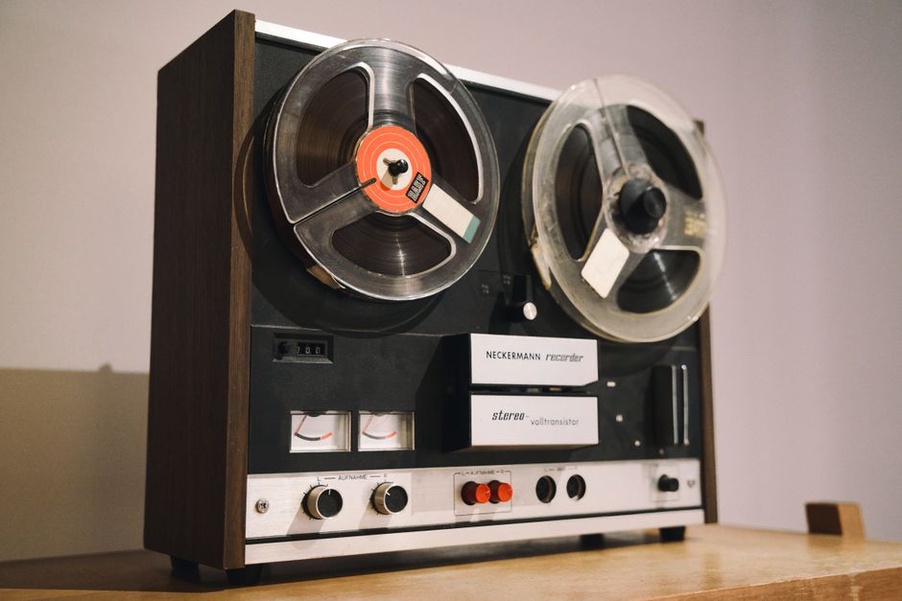
At NHK’s electronic music studio in Tokyo, established in the 1950s, composers could work with technologies unavailable in an ordinary concert setting. They could cut and join tape, change its playback speed, or arrange sounds that instruments could not reliably produce. Electronic tones supplied another source. None of this was effortless: changing the duration or order of a recorded sound meant physically handling the tape.
Tōru Takemitsu’s early tape works, including Vocalism A・I, show what that handling made possible. Recorded voice could be separated from ordinary speech and arranged as sound. Using a recording instead of a singer was only the first step; fragments could then be repeated, reordered or altered. Listen for the point where a voice ceases to carry a clear utterance and begins to work as texture.
Yuji Takahashi’s electronic and computer-music activities suggest another way to compose: specify procedures that generate or organize sonic events. Tape editing, electronic synthesis and computer processes do different jobs. An edit changes an existing recording; synthesis produces a signal; a programmed procedure governs how events are selected or changed. A work can combine them, but each puts compositional decisions at a different stage.
Acoustic feedback and the room
In Microphone, first performed in 1967, Takehisa Kosugi put the microphone’s interaction with its surroundings at the center of the work. Usually, a microphone is meant to pick up a chosen source while keeping interference down. Here, its sensitivity, position and relation to amplification can themselves become the event. Move it, and different sounds enter the system; let feedback develop, and the system becomes audible in its own right.
Kosugi’s work with Group Ongaku, active from the late 1950s, also shows why sound manipulation need not begin with a finished recording. Improvised actions and amplified objects can alter sound as it is made. When an effect catches your ear, follow it back: did a performer strike or move something? Did amplification magnify a small gesture? Or did the equipment sustain a sound after the initial action?
The later collective Ongaku Teito and other experimental scenes were not simply continuations of this earlier moment. Tools, venues and aims changed. What carries across is an interest in equipment and performance conditions as active elements, not an unbroken style.
From circuits to overload
By the late 1970s and 1980s, new settings for independent performance and recording gave harsher methods greater visibility. Masami Akita, recording as Merzbow, used distortion, feedback, tape and other sources to build dense layers. Calling the result noise tells us little about its construction. A high whine may hold steady while a rougher band swells beneath it; a sudden cut may reveal a source previously buried in the mix.
Hijokaidan, formed in 1979, developed a volatile live approach in which ensemble action and amplification could drive sounds into overload. That differs from the controlled editing of a tape piece. Both involve manipulation, but a tape edit fixes many decisions in a recording, while a live performance leaves more to immediate choices and unstable conditions.
Noise was not the inevitable end point. Hiroshi Yoshimura’s environmental music gives sustained tones and gentle changes room to interact with a listening space. Set beside extreme amplification, it brings one shared concern into focus without making the works sound alike: duration, playback level and the room all affect how a simple signal is heard.
What the medium lets you hear
A recording can hide the procedure behind a sound. A cut in a tape work might resemble a performer stopping abruptly; live feedback might seem like a fixed synthesizer pitch. The copy adds its own complications. Cassette hiss may sit beside distortion without causing it, while a digital transfer can shift the balance between quiet background sounds and louder events. A single playback copy cannot always tell you how the work was made.
Three distinctions for close listening
- Source versus treatment: A voice, metal object or electronic tone supplies the material; cutting, amplifying or filtering changes how it functions.
- Fixed versus variable: A tape edit returns at the same point on each playback. Feedback and instruction-based performance can respond differently to the room and performers.
- Sound versus carrier: Hum or hiss might be part of the intended texture, the recording equipment or a later copy. Hearing it does not, by itself, establish which.
Try the opening minute of Ichiyanagi’s Music for Electric Metronomes, then a passage from a recorded Merzbow work at a comfortable level. Mark when each sound enters and whether it seems to respond to another. Does a change suggest a physical action or an edit? You will not identify every device by ear, but the comparison makes two different kinds of decision audible: setting a process running and building layers from what it produces.