
A record shop might have the cassette someone wants, yet lose the visit because its map listing says it closes at six when the door stays open until eight. For small shops, venues, studios and independent labels with public premises, local search often comes down to such details. Search services need to identify the business and what it offers; visitors need enough reliable information to decide whether to make the trip or get in touch. Fixing an incorrect listing can do more than another page of vague promotional copy.
Local results mix map listings, business profiles, directories, event pages and websites. A search for a neighborhood record shop may return different results from one for cassette duplication in the same city. Location and wording matter, as do listing details and information elsewhere online. No business can guarantee a position for every searcher. It can make its information accurate and easy to check.
Start with a reliable business identity
Write down the public name, address, phone number, website and opening hours as customers should see them. Compare that record with the storefront sign, website contact page, map profiles and major directories. A missing suite number, an old phone number or two competing names can send someone to the wrong place. Descriptions need not be word-for-word identical; the business details should agree.
For a shop or venue, the address should lead to the entrance customers use. If a studio sees visitors only by appointment, say so rather than suggesting walk-in hours. A home-based business that does not receive customers should not publish a residential address just to appear on a map. Check the relevant platform's eligibility and address-display rules for service-area businesses before making a listing. Where several businesses share a building, use legitimate suite information to distinguish them, not extra keywords in the business name.
Keep an internal record of the profiles you control, who owns each login and when each profile was last checked. Otherwise, an old volunteer's account or a former employee's email can become the only route to updating holiday hours.
Make map profiles useful, not merely present
Claim and verify eligible profiles on the map services your customers use. Fill in the fields that accurately describe the business: primary category, relevant secondary categories, hours, contact method, website, accessibility details and services, where supported. The primary category should reflect the main activity. A record shop that occasionally hosts performances should not call itself a concert venue just to appear in more searches.
Fields and categories differ between platforms. Choose those that fit, then describe the business plainly. A store could say that it sells used records, experimental music and locally produced cassettes; it need not repeat the city name five times. Use the name on the sign, without additions such as “best noise records near station” that could mislead visitors or breach listing rules.
Photos can settle practical questions. Show the street entrance and interior, along with anything visitors need to recognize or find their way through the space. For an appointment-only workshop, instructions for arriving may be more useful than an exterior photo. Replace images after a move or renovation if they no longer represent the place, and use original photographs rather than generic shop imagery.
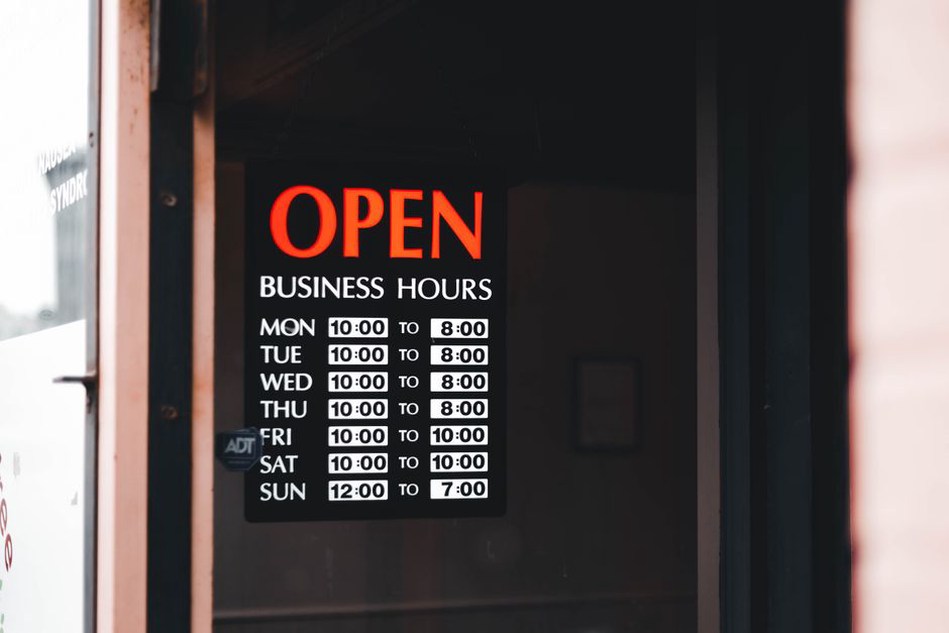
Set regular hours and update exceptions before public holidays, temporary closures or event nights. A listing marked open when the room is shut wastes a customer's trip; one marked closed during a late performance may cost a small venue its audience. After an edit, check the public listing. Changes may not appear immediately.
Give the website a clear local role
A map card may introduce the business, but the website has room for details that change or need explanation. Make the address, contact method and current hours easy to find from the navigation. Give directions where they resolve a real ambiguity: the shop's floor, an entrance around the corner, or the need to book before visiting. Describe accessibility features you can verify instead of making a broad claim.
Describe what is available in terms a customer would use. An independent shop might warrant separate, substantive pages for used records, cassette consignments and in-store events if all three are ongoing. A repair workshop can explain which equipment it accepts and how estimates work. Avoid near-identical pages for surrounding neighborhoods when the service and information are the same, especially if those pages suggest a physical presence that does not exist.
Check the site on a phone. Someone standing outside a venue should not have to pinch-zoom a flyer for the door time or wait for a large video before the address appears. Put essential information in readable text, with descriptive page titles, sensible headings and text alternatives for informative images. “Cassette Duplication and Packaging — [Business Name]” says more than “Services,” provided the business actually offers it.
Keep changing information in one dependable place
Event listings, stock and temporary hours all need upkeep. If a show sells out, update its page and the profiles where it was announced. If a service pauses, change its page rather than leaving the booking form active. A modest site with correct dates beats an elaborate one that still presents a years-old event as forthcoming.

Build evidence through local relationships
Search services can find a business through a local arts directory, a venue calendar, a neighborhood association or a collaborator's event page. Those references also help people, so accuracy matters. Ask an organizer to use the correct venue name and address on a real event listing. If a community directory includes your shop, check that its description and contact details still match what you do.
Skip bulk directory placements and partnerships or location pages made solely for links. A few genuine mentions are more useful than a trail of poor listings. For a business in an underground music scene, relevant local information might cover consignment submissions, a performance's location or its co-hosting organization. The relationship should exist before the online mention.
Handle reviews as customer feedback
Reviews affect whether someone trusts a listing, but they are not copy to be scripted. After a real transaction or visit, a business can invite honest feedback without asking for a particular rating. Do not reward positive reviews or ask staff to pose as customers. Check each platform's current rules before adding review requests to receipts or follow-up messages.
Reply when a review points to a practical problem. If someone could not find the entrance, acknowledge that and give the corrected directions. Do not reveal a customer's purchase, appointment or personal information in public. A specific answer is more credible than a stock response. Reviews can also expose issues to fix offline: wrong hours, unclear pricing or an unanswered phone.
Measure the searches that lead to real visits
Search positions change with location, device and wording. One check from your own phone will not tell you whether local visibility has improved. Look instead for patterns in the tools you have: profile views and actions where available, website search queries, calls, direction requests, bookings, and visits to contact or event pages. None is a perfect measure. A direction request does not prove someone visited, and more impressions do not necessarily mean more customers.
Keep dated notes of meaningful edits, such as a corrected category, a new service page or an address update. Compare activity across reasonable periods while accounting for seasonal openings, event schedules and temporary closures. A shop may see a spike before a performance that says little about everyday search traffic. Ask new customers how they found you, but treat their answers as another clue, not a complete attribution system.
A manageable monthly check
- Search the business name and address: look for duplicate profiles, old phone numbers and misplaced pins.
- Check the public-facing listings: verify hours, categories, photos and notices of upcoming closures.
- Test the website on a phone: find the address, contact method and current service information without using a desktop menu.
- Read recent feedback: look for recurring factual problems rather than chasing an average rating.
- Review one useful outcome: compare enquiries, bookings or store visits with the period and events that produced them.
If a record shop moves its entrance to a side street, skip the keyword-heavy blog post. Update the address and map pin, photograph the new doorway, revise the website directions, then check them on a phone while standing outside. A dashboard may say the pin is correct; that last test tells you whether someone can find the door.