
Start a short walk when something ends, rather than pencilling it in for a time you hope will be free. If you eat lunch at the desk where you edit reviews or check cassette transfers, put your plate in the sink and walk for five minutes before sitting down again. The plate is a better reminder than a 1 p.m. alert: it tells you lunch is actually over, even if you ate late.
Leave some room on either side of the walk. Ten minutes between calls isn’t ten minutes on foot once you’ve put on your shoes, waited for the lift and got back in time to open the next document. Count the whole break, right up to the moment you’re ready to work again. A four-minute walk that fits is more useful than an eight-minute route you keep putting off.
Find a cue in the work you already do
If music work has to fit around a job, school or caring for someone, a fixed afternoon slot may be the least reliable part of your day. The end of a task can move with your schedule. Just make sure it’s a real stopping point, not a lull when you still need to listen, reply or keep an eye on something. A cassette transfer is a good cue once it’s finished and checked, not while it’s still running.
- When you finish work: Send the last label email or close the review draft, then step outside for a few minutes before getting on with your evening.
- On an errand you already make: After dropping a parcel of tapes at the post office, take the slightly longer way back. Pick the extra stretch before you leave so you don’t have to decide at the counter.
- Before a listening session: If you tend to go straight from answering messages to putting on a record you need to hear closely, spend a few minutes on foot in between. Leave the record for the listening chair.
Try one cue first. A parcel run that only happens on Fridays can give you a Friday walk, but it won’t help much the rest of the week. And if your last email usually goes out just as you need to be somewhere else, pick an earlier stopping point.
Use a route you can cut short
A loop looks tidy on a map until you’re on the far side of the block and it starts to rain. On an out-and-back route, you can turn whenever you need to. Walk away from the door for two minutes, then retrace your steps. Turn sooner if the way back is uphill or there’s a slow crossing. Test the route around the time you’ll actually use it: a lane that’s quiet at noon may be full of deliveries by the end of your shift.
Two landmarks are enough. Use a nearby corner for the short version and a tree or sheltered entrance farther along for the longer one. If going outside doesn’t work, a lobby or corridor you’re allowed to use can offer a change of position and surroundings. Pick a distance, surface and slope that suit your mobility, and use a familiar step-free route if you need one. On days when walking isn’t workable, a seated pause can be a break in its own right.
Let listening be an option, not an assignment
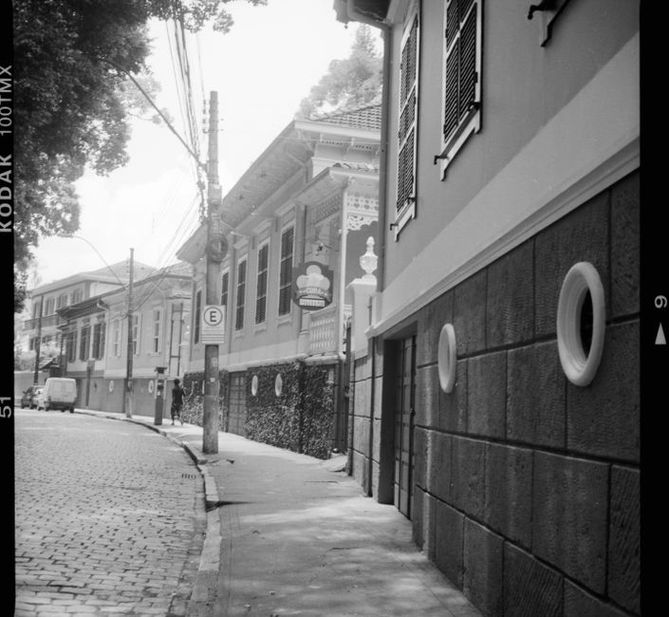
The ear you bring to field recording can make an ordinary stretch of pavement worth revisiting. Notice how the sound of a ventilation fan carries along a recessed entrance and drops away around the corner, or how footsteps change when asphalt gives way to tile. The fan might be off tomorrow. You’re more likely to notice its absence if you know the route. None of that requires a recorder, a place reputed to sound interesting or a plan to make a piece.
Try one short passage without headphones
On the way out, pick one sound and follow it as you move. Does the hum get louder because you’re closer, or because you’ve stepped out from behind a wall? On the way back, let your attention wander. If close listening feels too much like the session you’ve just left, skip it.
An ambient piece or a drone will sound different outdoors than it does in your usual room. At low volume, traffic may cover the quieter passages. That tells you something about the street, not the recording. Don’t turn it up to compete. If you wear headphones, stay aware of crossings, bikes and people nearby, and take them off when you can’t do that comfortably. Save decisions about a mix or tape transfer for somewhere quieter.
If you record, keep it separate from the daily habit
A pocket recorder can turn a four-minute walk into a search for somewhere to stand, then leave you with a file to name and listen back to. Bring it when you have time for that extra work. Stop where you won’t block the path, stay off private property and avoid recording intelligible conversations. If you want to remember a sound from an ordinary walk, write a line when you get back: “Fan at the loading entrance, only audible on the way back.” That’s enough to find it again without adding another folder to sort through.
Find out what’s actually getting in the way
Try the same cue for a working week. A tick on a scrap of paper is enough to mark a walk. If you miss one, write down why only if it might help you change something. “Meeting ran over” suggests a different cue. “Didn’t want to put on wet shoes” suggests dry shoes by the door or a route indoors. You don’t need a step count or a streak to tell the difference.
If you get out but keep coming back rushed, shorten the route before moving the walk. If you rarely make it to the door, look at what comes just before it. Closing an audio session isn’t really the end if you still have to back it up and send a file. Walk once you’ve checked that the upload went through, or use a break that has nothing to do with audio. There’s no need to make up a missed walk for the sake of the tally.
Give irregular days their own version
On a gig night, the walk to the station or between the bus stop and the venue may already be the most practical stretch on foot. There’s no need for a detour when you’re carrying a case or trying to make soundcheck. If you have a few minutes after load-in, stick to a familiar, well-lit stretch rather than looking for a quiet back street. At home, a quick indoor circuit may make more sense in extreme heat, heavy rain or poor air quality. It doesn’t have to cover the same distance as your usual route.
If you’re caring for someone or need to stay within reach of the door, a minute or two on foot in the space you have may be enough, if you can do it safely. Otherwise, wait until someone can take over. A fallback should make the break easier to take, not turn it into another obligation.
Decide when to make the walk longer
A brief, easy walk breaks up time spent sitting, but it isn’t the same as sustained moderate activity. If fitness is part of the reason you’re walking, keep the short route and use longer gaps to walk a little farther or at a pace that suits you. Change one thing at a time. If adding another street makes the route too long for an ordinary workday, a second short walk after a different task may fit better.
Next time you have a gap between lunch and a listening session, leave the album queued and walk two minutes out. Notice where you turn, then check the time when you’re back at the desk. If waiting to cross on the way back took most of your spare time, turn at the near side of that crossing next time.