
The Evolution of Electroacoustic Practices
Japanese underground music has seen a remarkable shift with the rise of electroacoustic techniques, which blend electronic and acoustic elements to create unique sound experiences. This genre pushes the boundaries of traditional music, inviting listeners to explore sound in new and unconventional ways.
The roots of electroacoustic music in Japan can be traced back to the post-war era, when technological advancements began to shape artistic endeavors. The introduction of electronic devices and recording equipment opened up new possibilities for musicians. This era witnessed the emergence of composers like Toru Takemitsu, who pioneered the integration of electronic sounds into his works, paving the way for future innovations.
Innovative Techniques and Tools
Japanese underground artists continue to redefine electroacoustic music by adopting novel techniques and tools. A popular method involves manipulating field recordings, where environmental sounds are captured and altered through electronic processes. This technique not only merges natural and synthetic sounds but also offers a reflection on human interaction with the environment.
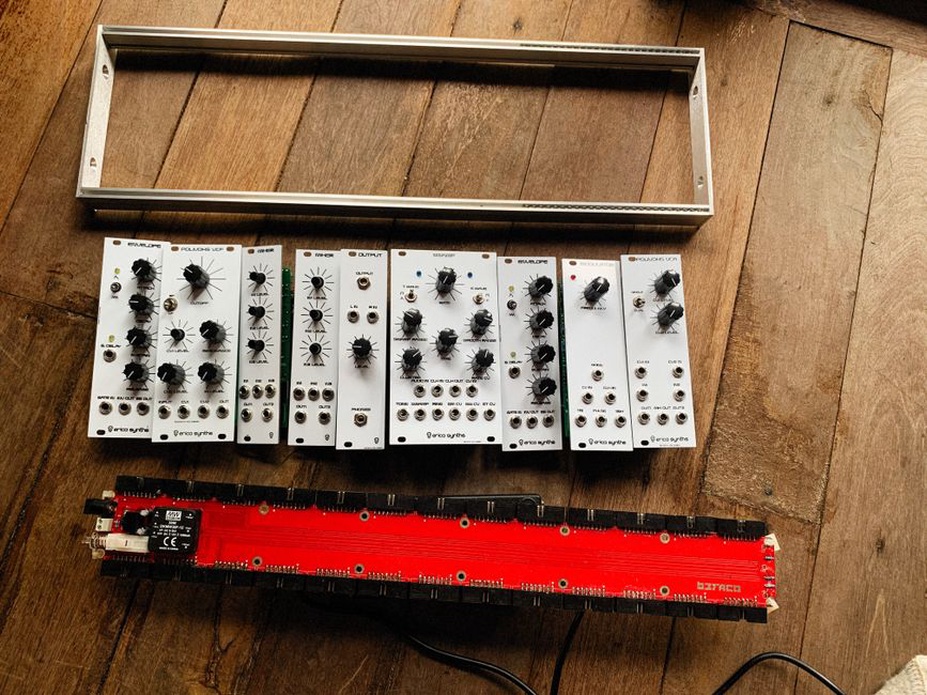
Modular synthesizers are another key element in this genre, providing endless opportunities for sound exploration. These instruments enable artists to craft intricate, evolving soundscapes that feel both organic and mechanical. The hands-on nature of modular synths adds a dynamic element to live performances, where musicians engage with their instruments in real-time, creating a distinct auditory experience for each show.
Key Figures and Influences
The Japanese underground scene boasts a diverse array of artists who have shaped electroacoustic music. Masami Akita, renowned for his project Merzbow, has been instrumental in the noise music movement, extensively employing electroacoustic techniques. His compositions blend harsh noise with subtle acoustic elements, creating a compelling contrast between chaos and order.
Similarly, Sachiko M has carved out a niche with her minimalist soundscapes, utilizing sine waves and feedback loops to challenge perceptions of silence and noise. Her work is characterized by precision and intentionality, reflecting the delicate interplay between technology and artistry.
The Role of DIY Culture
DIY culture is vital to the growth of electroacoustic music in Japan. Independent labels and self-released cassettes offer artists a platform to share their creations without the limitations of mainstream commercialism. This freedom encourages experimentation, resulting in a rich variety of sounds and styles.
The collaborative nature of DIY culture fosters innovation and community. Artists frequently gather to exchange ideas, techniques, and equipment, nurturing an environment conducive to the evolution of electroacoustic music. This spirit of collaboration is evident in events and festivals dedicated to experimental sound, where musicians and audiences alike can discover new sonic possibilities.
- Field recordings as a tool for environmental commentary
- Modular synthesizers and their role in live performances
- Key artists like Masami Akita and Sachiko M
- Impact of DIY culture and independent labels

Challenges and Future Directions
Despite its innovative approach, the electroacoustic scene in Japan faces challenges due to its niche status, often operating outside mainstream recognition. This outsider position, however, empowers artists to experiment without commercial constraints.
Looking to the future, the integration of technologies such as artificial intelligence and virtual reality presents new opportunities for electroacoustic exploration. These advancements could expand the sonic possibilities available to artists, offering fresh ways to engage audiences and create immersive experiences.
The Japanese underground continues to evolve, with electroacoustic music serving as a testament to the artistic power of sound. As artists persist in their experimentation, this genre invites listeners to reconsider their understanding of music and noise.