
The Origins of DIY Instrumentation in Japanese Noise
Japanese noise music is deeply rooted in the DIY ethos, which goes beyond aesthetics to embrace a philosophical approach to creating sound. This movement took off during the punk and post-punk eras of the late 1970s and early 1980s, as musicians sought to escape the confines of traditional music-making. Japanese noise artists adopted this mindset, inventing their own instruments to produce sounds that challenge conventional musical boundaries.
Why Build Your Own Instruments?
For these artists, building instruments from scratch offers complete freedom in sonic exploration. Traditional instruments, often designed with tonal constraints, limit the range of possible sounds. By crafting their own devices, noise artists can explore raw, unfiltered sounds that align with their unique artistic visions.
Constructing instruments also serves as a critique of the commercialization of music production. The DIY approach reduces reliance on costly equipment, making music creation more accessible and personal. This democratizes the art form and underscores the idea that creativity isn't limited by financial means.
Techniques and Tools of DIY Instrumentation
The methods of crafting instruments for noise music are as diverse as the sounds they produce. Artists employ a wide array of materials, from salvaged electronics to everyday items, to create their devices. Here are some common techniques:
- Contact Microphones: These amplify subtle vibrations from various surfaces, turning any object into a potential sound source.
- Circuit Bending: This involves altering the circuits of electronic devices like toys and synthesizers to generate unpredictable sounds.
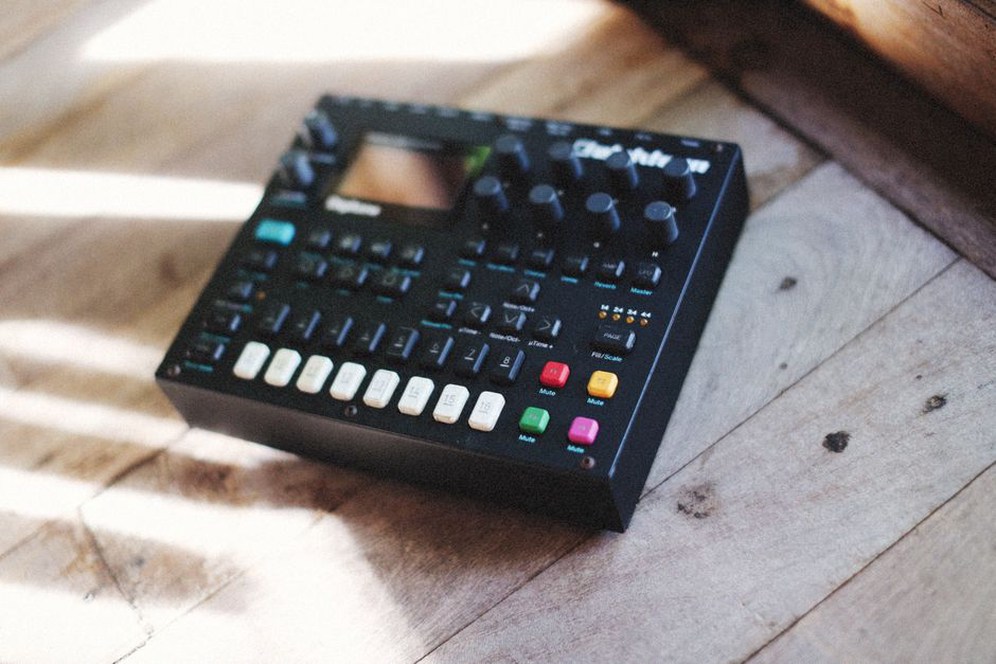
- Homemade Synthesizers: Building synthesizers from scratch allows artists to create sound generators that meet their specific needs, often featuring unconventional controls and interfaces.
- Physical Modifications: Changing acoustic instruments by adding or removing components to alter their tonal characteristics.
Case Studies: Notable Artists and Creations
Several Japanese noise artists have gained recognition for their inventive approach to instrument construction. Masami Akita, known as Merzbow, uses everything from junk metal to custom-built electronics in his performances, exemplifying a relentless pursuit of new sonic territories.
Otomo Yoshihide is another notable figure, known for incorporating turntables and self-made electronic devices into his work. His ability to blend traditional and experimental elements highlights the diverse potential of DIY instrumentation in noise music.
Challenges and Rewards
While the DIY approach offers unmatched freedom, it comes with challenges. Building instruments requires a deep understanding of both physical and electronic sound properties. The trial-and-error nature of this process can be time-consuming and frustrating.
Yet, the rewards often outweigh the difficulties. The satisfaction of creating a device capable of producing unheard sounds is immense. Moreover, the unique voices these instruments provide are invaluable to a noise artist's repertoire.
The DIY Community and Cultural Impact
The DIY ethos in Japanese noise is bolstered by a community that shares knowledge and resources. Workshops, online forums, and collaborative projects create an environment where creativity flourishes. This communal aspect is vital in keeping the DIY spirit alive and evolving.
The influence of DIY instrumentation extends beyond the noise genre, inspiring countless musicians and artists to rethink their approach to sound, prioritizing innovation and personal expression over commercial success.
The legacy of DIY instrumentation in Japanese noise is a testament to creativity and resourcefulness. It continues to inspire new generations of artists to explore the vast possibilities of sound, challenging the conventions of music and art.
For those intrigued by the enigmatic side of Japan's noise scene, the The Mystery of Tesco 3: A Ghost in the Japanese Noise Underground offers a fascinating look into the hidden networks and distribution practices that support these innovative practices.