
Understanding the Enigma of Japanese Noise File Naming
The world of Japanese noise music is filled with mystery, and nowhere is this more evident than in the cryptic file names that accompany these recordings. These names, often a jumble of characters, numbers, and symbols, are both a key and a lock, concealing the works of the genre's trailblazers. They reflect a scene that delights in the enigmatic and defies traditional norms.
The Role of Obscurity in Japanese Noise
Japanoise, as it's sometimes called, exists on the outskirts of the music industry, shunning conventional structures in favor of chaos. Cryptic file names are not just a digital archiving quirk but a deliberate part of the genre's identity. They protect the recordings' anonymity and exclusivity while encouraging listeners to engage deeply with the music's mysteries.
Take, for example, a file name like "wasted 011ura." Beyond its aesthetic, it acts as a clue in the intricate landscape of Japanese noise cassettes. Our exploration into what wasted 011ura tells us about Japanese noise cassettes uncovers the intricate connections between these names and the physical media they represent.
Deciphering the Code: Patterns and Practices
Japanese noise artists and labels often use a consistent yet opaque coding system for their files. These codes might include dates, catalog numbers, and personal identifiers known only to the creators. For instance, "tech 20151002" could denote a specific recording session or sonic experiment, as discussed in the mystery of tech 20151002.
These file names function as a form of metadata, offering insights not immediately obvious to casual listeners. They might reveal the artist, label, release year, or even the piece's mood or theme. Yet, without a guide, they remain cryptic, inviting only the most dedicated fans and collectors to uncover their secrets.
The Intersection of Technology and Tradition
The digital era has changed how music is archived and shared, but in Japanese noise, there's a tension between new and old technologies. Many artists still release music on outdated formats like cassette tapes, which are later digitized and shared as files with cryptic names. This blend of analog and digital is a hallmark of the genre.
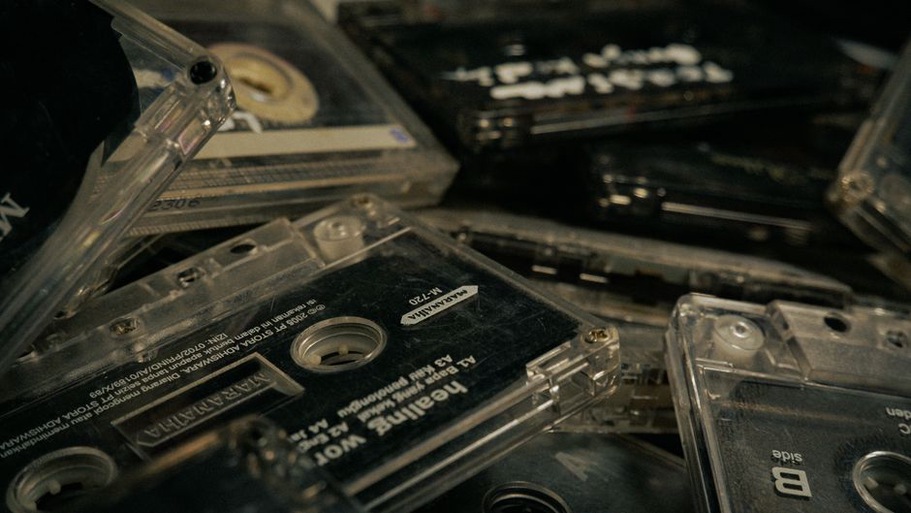
The persistence of these cryptic file names in digital formats highlights the enduring DIY spirit within the Japanese noise community. It underscores their dedication to maintaining the avant-garde essence of their work, even as they adapt to technological changes.
Implications for Collectors and Archivists
For collectors and archivists, these cryptic file names present both challenges and opportunities. The absence of a standardized naming system complicates cataloging and retrieval. Yet, each name offers the potential for new insights into the artist's intentions or the recording's context.
- Cataloging Challenges: Without a universal naming system, collectors must develop their own methods or rely on community knowledge to organize their collections.
- Discovery Potential: Each cryptic name can reveal new insights into the artist's intent or the recording's context.
- Preservation Concerns: Preserving these files and their histories for future generations is an ongoing effort.
The cryptic naming conventions of Japanese noise files are more than mere obstacles; they are integral to the genre's identity. They challenge listeners to engage more deeply, participate in the mystery, and become part of the ever-evolving narrative of Japanese noise music.
Decoding these cryptic file names offers a glimpse into the heart of Japanese noise—a world where music, culture, and philosophy intertwine in a complex and fascinating way.