
The string creepshow520 appears in scattered corners of Japanese underground music discourse: as a filename in a ZIP archive, a watermark on a scanned J-card, a handle on an obscure forum. It is not a label, not a band, not a blog—or it might be all three at once. That ambiguity is deliberate. In a scene where identity often takes a back seat to the artifact itself, creepshow520 serves as a cipher—a marker that hints at both a thematic preoccupation and a cataloguing logic.
The Name: Creepshow as Genre Signal
The word creepshow calls up a specific lineage: the 1982 anthology film directed by George A. Romero, itself a nod to EC Comics' horror tales. In Japanese noise and experimental music, the term isn't a direct film reference so much as shorthand for a palette of sounds—crackling textures, disembodied voices, tape hiss that sounds like a haunted room, field recordings of abandoned buildings. A release or project bearing the creepshow name typically leans into these tropes without being reducible to them. The aesthetic is less about jump scares and more about a slow, sustained unease—the familiar decaying into the uncanny.
This isn't new. Horror has long been a current in Japanese underground music, from the theatrical noise of early Hanatarash to the desolate drones of certain Kanai-based cassette labels. But creepshow520 stands out by how it uses the horror reference: as a filter rather than a genre. The music that surfaces under this code—when it does surface—avoids direct sampling of horror dialogue or cheap Halloween effects. Instead, it uses field recording and electroacoustic composition to build environments that feel contaminated, as if the tape itself has absorbed something it shouldn't have.
The Number: 50 as Structural Key
The suffix 520 isn't random. In Japanese underground cataloguing, numbers often carry multiple layers of meaning: a date (May 20), a sequential number (the 520th release of an anonymous series), or a phonetic pun (5 = go, 2 = ni, 0 = rei—though no common word emerges from that combination). More likely, 520 follows the same logic seen in other cryptic identifiers. The anonymous archivist behind badge400 uses numbers to mask identity; the catalog code cosmic fix p520 uses them to index a specific edition. In creepshow520, the number acts as a serial number that ties together a body of work without revealing authorship. It's a signature that refuses to be a name.
Collectors familiar with the pattern know that 520 appears in other contexts—cav520, cmvc520, badge520—each with its own logic. The recurrence across different projects suggests either a shared numbering scheme (maybe a master list maintained by a distributor or forum) or a coincidental preference for that digit combination. Either way, the number becomes a node in a larger network of anonymous releases. To encounter creepshow520 is to encounter a fragment of that network.
How Creepshow520 Surfaces: Distribution and Ephemerality
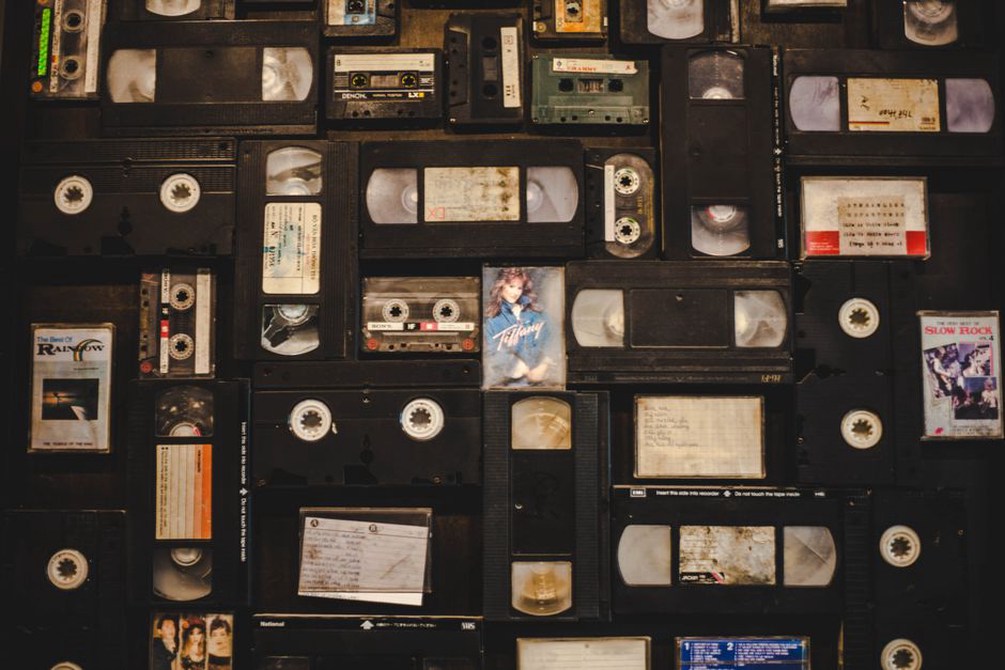
Creepshow520 releases—if they are releases—don't appear on standard platforms. They circulate as digital files on obscure file hosts, as physical cassettes traded at small events, or as images on blogs that have since gone offline. The typical format is a limited run of 20 to 50 copies, each with a photocopied J-card and a blank shell with a handwritten number. No barcode, no digital distribution beyond a single shared link that expires after a few weeks. This isn't scarcity marketing; it's a functional consequence of a DIY ethos that treats each copy as a unique object rather than a commodity.
For the collector, finding a creepshow520 item requires patience and a willingness to search through Japanese-language auction sites, secondhand stores in Shimokitazawa or Koenji, and the comment sections of now-dead music blogs. The payoff isn't a known masterpiece but an encounter with an artifact that resists easy classification. The music itself is often lo-fi, heavy on texture and light on structure—drone layers that shift imperceptibly, field recordings that reveal no clear source, electronic hums that feel both digital and organic.
Practical Tips for Identifying Creepshow520 Material
- Look for the string in filenames. Archives named
creepshow520.ziporcs520-01.wavare common. The number may appear ascs520orcreep520. - Check the J-card for handwritten elements. The cover art is often a monochrome photocopy of a vintage horror poster or a blurred photograph of an empty room. The catalog number is usually written in marker on the spine.
- Listen for recurring sonic motifs. Many creepshow520-identified tracks share a palette: distant thunder, footsteps on gravel, a looped tape hiss that gradually distorts. These aren't samples but original recordings treated with heavy saturition.
- Cross-reference with other 520 codes. If you find a release with a similar numeric suffix, compare the packaging and sound. The same anonymous creator may operate under multiple names.
The Critical Edge: Creepshow520 as a Symptom
To write about creepshow520 is to write about a ghost. The project—if it's a project—exists only in traces, and any attempt to pin it down risks turning it into a commodity. The critical stance here isn't to celebrate obscurity for its own sake but to recognize how such codes reveal the infrastructure of the underground. The name creepshow isn't a brand; it's a shared vocabulary that allows listeners to find their way through a decentralized scene where labels and artists are often indistinguishable from their catalog numbers. The number 520 isn't a price or a date; it's a coordinate in a system that prioritizes the object over the author.
This is the opposite of the mainstream music industry's obsession with personality and backstory. Creepshow520 offers no biography, no interviews, no social media presence. What it offers is a set of sounds that feel like they were never meant to be heard, and a numbering system that makes sure they'll be remembered even if the person behind them is not. That's the function of such codes in Japanese underground culture: to preserve the music while letting the creator disappear.
The last concrete trace of creepshow520 appears in a 2019 post on a Japanese cassette blog that has since been taken down. The post contained three images: a blurred photo of a cassette shell, a tracklist written in pencil on lined paper, and a screenshot of a waveform that looked like a seismograph reading. The music itself is lost—the file links are dead, the blog's archive is incomplete. But the filename remains: creepshow520_sideA.wav. That is enough.