
A bottle that leaks onto your headphones or will not fit under the office tap is unlikely to get much use. Before choosing a color or material, check where it needs to go: a bag pocket, bicycle cage, desk, train seat or rehearsal space with no convenient sink. Filling, carrying, drinking from and washing it should all fit the way you spend your day.
Start with the amount you can carry
Capacity comes down to refill frequency and weight. A 500 mL bottle holds roughly half a kilogram of water before you count the bottle itself. A one-liter bottle doubles that water weight, which can be a lot in a shoulder bag already holding a laptop, cables and headphones. Reliable taps at home and work may make a smaller bottle practical. For a long shift or an outdoor event with few places to refill, the extra capacity may be worth carrying.
Check dimensions, not just volume. A tall, narrow bottle might fit a bag pocket yet sit precariously on a shallow shelf. A wide one may be steady on a desk but awkward to grip. Measure the pocket or holder you plan to use, leaving enough room to pull the bottle out. If you travel with audio equipment, think about where condensation or a loose cap could reach it; a separate pocket is safer than trusting a lid claim alone.
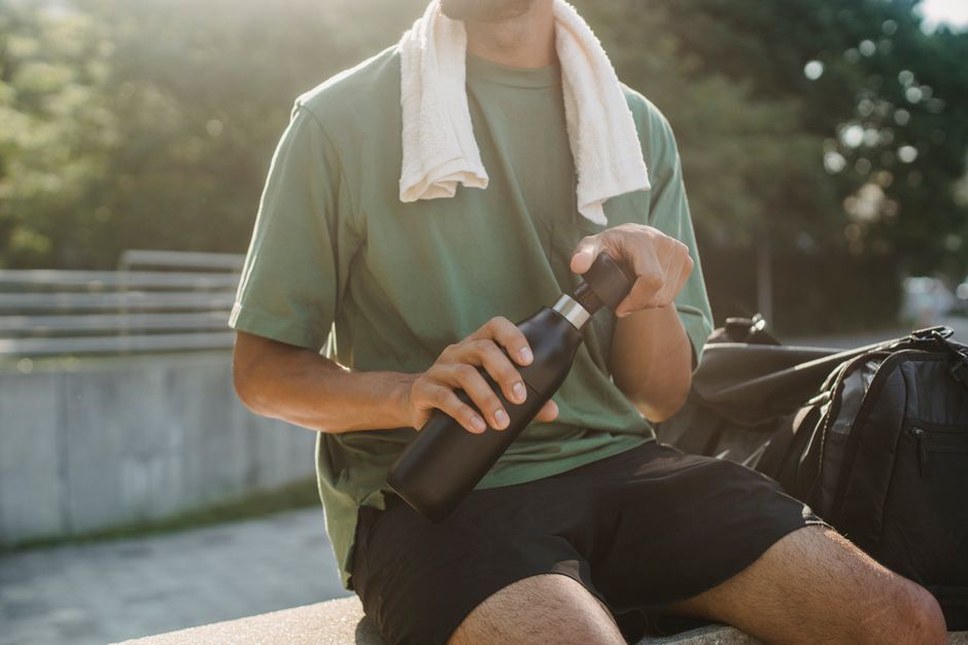
Pick a material for its actual trade-offs
Stainless steel
Stainless steel is sturdy and generally holds onto flavors less than some plastics. Double-wall insulated bottles keep drinks cool or warm for longer, but tend to be heavier and bulkier, and you cannot easily see inside them. Single-wall steel is usually lighter. Do not put one on a stove unless the maker explicitly says it is designed for that use. A dent in an insulated bottle can affect how well it works, even if it still holds water.
Plastic and glass
Reusable plastic is usually light and will not dent when dropped. Choose a bottle intended for repeated food contact, and follow its temperature and dishwasher instructions. Inspect it if it becomes scratched or develops a persistent smell, and replace it when needed. A “BPA-free” label tells you little about durability, cleaning or leaks.
Glass lets you see whether the interior is clean and tends not to retain flavors. It is heavier, though, and breakage is a concern on crowded commutes, shared floors and hard surfaces. A sleeve can help with grip and minor knocks, but glass can still break. If you chose glass to limit contact with plastic or silicone, check the lid too.
The lid decides how often you use it
A wide-mouth screw cap is easy to fill, add ice to and scrub, but it may take two hands to open and can spill if you drink while walking. A narrow opening makes sipping more controlled, at the cost of harder cleaning. Flip tops, straws and push-button lids are convenient one-handed; their hinges, valves and channels give residue more places to hide. None is automatically leakproof when the bottle is lying sideways in a bag.
Inspect the seal before buying. A removable gasket is easier to clean thoroughly, provided you can reinstall it correctly and replace it when it wears out. The cap should thread on without force, and you should be able to tell by touch when a spout is locked. Some lids resist splashes only while upright; they are not made to stay sealed under the pressure of other things in a packed bag. If the distinction is unclear, keep the bottle upright until you have tested it.
- For a desk: look for a stable base and an opening that will not drip near electronics. A carrying loop matters less here.
- For a commute: check the seal, bag fit and whether you can close the lid without looking.
- For cycling or walking: check grip and access while stopped. Volume alone will not tell you whether a bottle fits a bicycle cage.
- For long listening sessions: a screw cap may be quieter than a clicking flip lid. Either way, open it away from equipment.
Make cleaning part of the decision
Picture washing the bottle after a flavored drink has sat in it overnight. Can a brush reach the bottom? Can you take the lid apart without a tool and lift out the gasket without tearing it? A plain bottle you can wash and dry easily may see more use than one with a straw that never quite dries.
Wash the bottle and lid regularly with warm water and dish soap. Pay attention to threads, seals and the underside of the spout, then rinse and let the parts dry separately before putting them back together. Check the maker’s instructions before using a dishwasher: a dishwasher-safe body does not mean its finish, insulation or lid parts have the same rating. Even a dishwasher-safe bottle may need a brush if its neck is narrow.
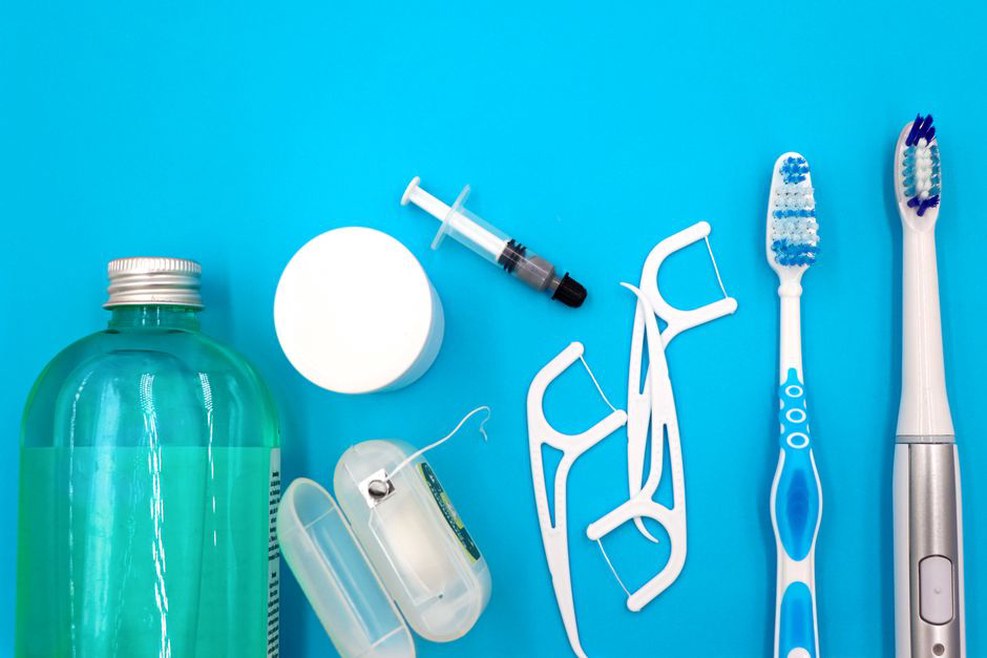
Plain water is relatively easy to clean out. Sweet drinks, milk-based drinks and flavored mixes leave more residue, so wash the bottle promptly and carefully after using them. Check its instructions before adding hot liquids or carbonated drinks. Heat can make a lid uncomfortable to handle or drink from; carbonation can cause leaks or a forceful release if the bottle is not designed for pressure.
Check longevity before paying for extras
A strong body is only part of a bottle that lasts. Lids get dropped, lost or damaged, and seals can stretch or disappear during washing. Check whether replacement caps and gaskets are sold for the specific model. In a shop, try the ordinary motions: lift the bottle by its loop, open and close it, and see whether you can comfortably reach the drinking area. Online dimensions cannot tell you if a finish feels slippery in your hand.
Skip insulation if room-temperature water suits you and you would rather carry less weight. If you spend hours away from a refill point, keeping a drink cool may matter more. Continued use matters for sustainability too: a bottle you can clean and repair is more likely to stay in rotation than one bought for a feature you rarely need.
Before carrying a new bottle beside a recorder, headphones or laptop, test it with water. Tighten the cap normally and leave it on a dry towel for a few minutes. Then turn it on its side and gently invert it over the sink, watching the lid and spout for drops.