
Japanese noise music, known for its raw and chaotic soundscapes, challenges traditional music norms with its unique approach. Yet, preserving these fleeting creations presents a significant challenge. Noise artists often prioritize live performances and limited physical releases, making archiving crucial to prevent these sounds from disappearing into obscurity.
The Nature of Ephemerality in Noise Music
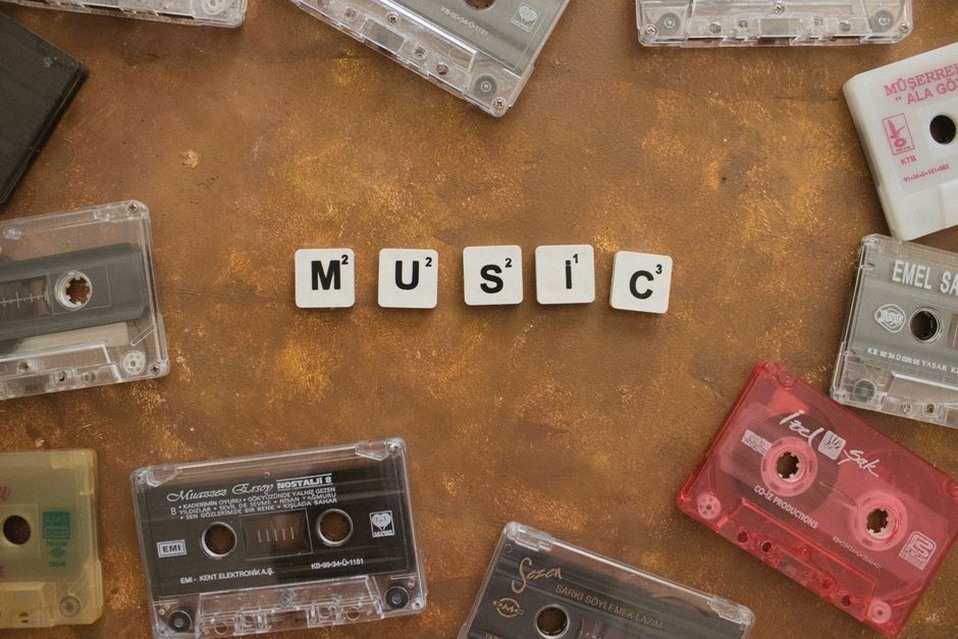
Noise music thrives on impermanence. Artists frequently use fragile formats like cassette tapes, which can deteriorate over time. The DIY ethos prevalent in this genre often results in small-batch productions, complicating efforts to track and preserve recordings. The experimental nature of the genre further complicates archiving, as recordings may be intentionally distorted or abstract.
Challenges in Archiving Japanese Noise
Preserving Japanese noise recordings involves more than just dealing with the physical degradation of media. Cryptic file naming conventions, such as those seen in the mystery of wasted05 2 520, add complexity. These enigmatic names can obscure the origins and content of recordings, making accurate cataloging difficult. The underground nature of the genre often results in limited documentation, forcing archivists to reconstruct histories from fragmented sources.
Efforts Toward Preservation
Despite these challenges, efforts to preserve Japanese noise music are underway. Enthusiasts and collectors play a crucial role in archiving by digitizing analog recordings to prevent loss. These digital archives offer a contemporary solution to the decay of physical media, preserving music without the constraints of physical formats. Some artists and labels are also embracing digital distribution, contributing to a more sustainable preservation approach.
- Digitization: Converting analog recordings to digital formats is vital for preserving noise music. It ensures longevity and increases accessibility.
- Community Efforts: Grassroots movements and dedicated fan communities often take the initiative in cataloging and sharing rare recordings, creating informal archives that complement official efforts.
- Academic Interest: Growing interest from scholars in experimental music studies has led to more systematic documentation and analysis of noise music, contributing to its preservation.
The Role of Technology in Noise Archiving
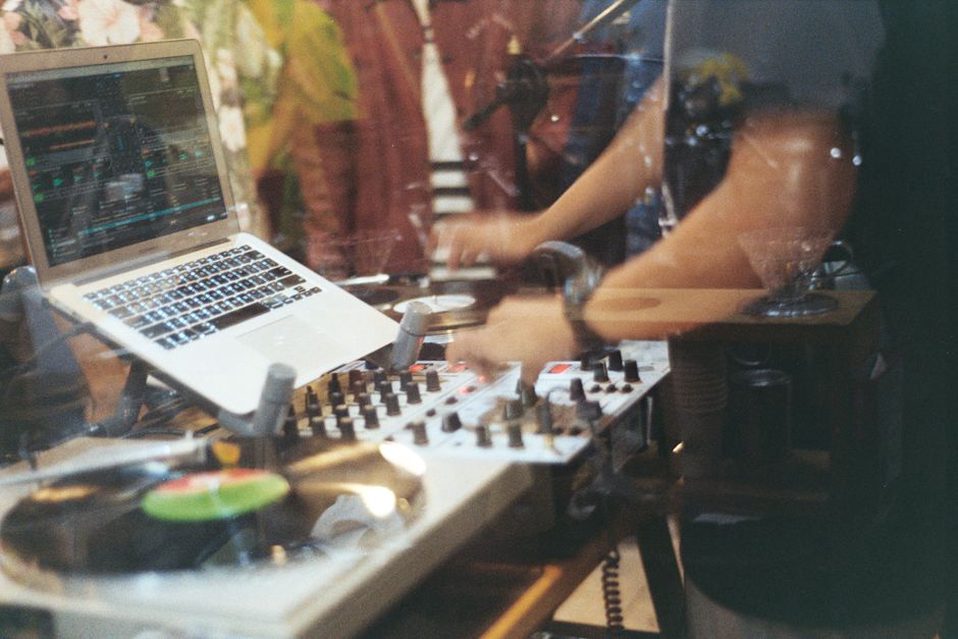
Modern technology offers tools that can change how noise music is archived. Cloud storage solutions and blockchain technology provide potential avenues for maintaining the integrity and provenance of recordings. Digital platforms allow artists to release recordings with metadata that can aid future archivists in understanding the context and creation of these works.
The Future of Noise Music Preservation
Preserving Japanese noise music is not just about maintaining a record of past works; it is about supporting the ongoing evolution of the genre. By archiving these ephemeral sounds, we protect the cultural and artistic innovations that noise music represents. As interest in noise music grows, so does the responsibility to prevent these sounds from being lost to time.
Ultimately, the effort to preserve Japanese noise recordings reflects the genre itself—a complex, multifaceted task that defies conventions and embraces the chaos of sound and memory. As archivists and enthusiasts continue to address these challenges, the legacy of Japanese noise music will endure, resonating through the history of experimental music.