
The first time you put on a CD-R from a Japanese noise label, the experience can be disorienting. Not because the music is loud—though it often is—but because the context is missing. There is no press kit, no genre tag on the spine, no Bandcamp algorithm telling you what to expect. You are holding a piece of plastic in a transparent sleeve, maybe with a single kanji character printed on it, and you have no idea what the artist intended. This is not a bug. It is the starting point.
Why Japanese Underground Music Resists Easy Listening
The Japanese experimental scene—noise, drone, electroacoustics, field recordings—did not develop as a response to Western avant-garde traditions, though it absorbed some of them. It grew from a different set of conditions: the physical constraints of small living spaces, the high cost of studio time, the availability of cheap consumer electronics, and a distribution network built around physical meetups at live houses and record fairs rather than streaming platforms. The result is a body of work that prioritizes texture over narrative, presence over meaning.
When you listen to a piece by a Tokyo-based artist who records only with contact microphones and a cracked smartphone, you are not supposed to decode a message. You are supposed to attend to the sound itself. This sounds simple, but it requires unlearning habits that commercial music platforms have trained into you: the expectation of a hook, a climax, a resolution. Japanese underground music often offers none of these. A 40-minute drone piece may not change at all. A field recording of a pachinko parlor may have been edited to remove every human voice. The artist is not being difficult for the sake of difficulty. They are asking you to listen differently.
Practical Listening Strategies for the Uninitiated
Here is a concrete approach that works for many listeners new to this territory. It is not a theory. It is a method developed by collectors and musicians who have been attending underground shows in Osaka and Tokyo for decades.
- Listen in one sitting, without interruption. Do not multitask. Do not put the track on in the background while you cook. Sit in a chair, close your eyes if it helps, and let the sound occupy the room. The duration is part of the composition. A 20-minute track that repeats the same feedback loop is not repetitive—it is a process unfolding in real time.
- Adjust the volume to the room. Japanese noise is often mixed at low levels on purpose. If you turn it up too loud, you lose the micro-dynamics. If you turn it too low, you hear only the room tone. Find the level where the texture becomes tactile, where you feel the sound in your chest rather than just in your ears.
- Do not search for meaning in the title or packaging. Many releases have no track titles at all, or titles that are deliberately opaque: a single number, a date, a location coordinate. The artist is not hiding a secret. They are telling you that the music is self-sufficient. The title is a label, not a key.
- Compare multiple recordings of the same artist. Many Japanese experimental musicians release the same piece in different versions—different takes, different venues, different mastering. Listen to two versions of the same composition back to back. The differences will teach you more about the artist's process than any interview could.
The Role of the Cassette and the CD-R
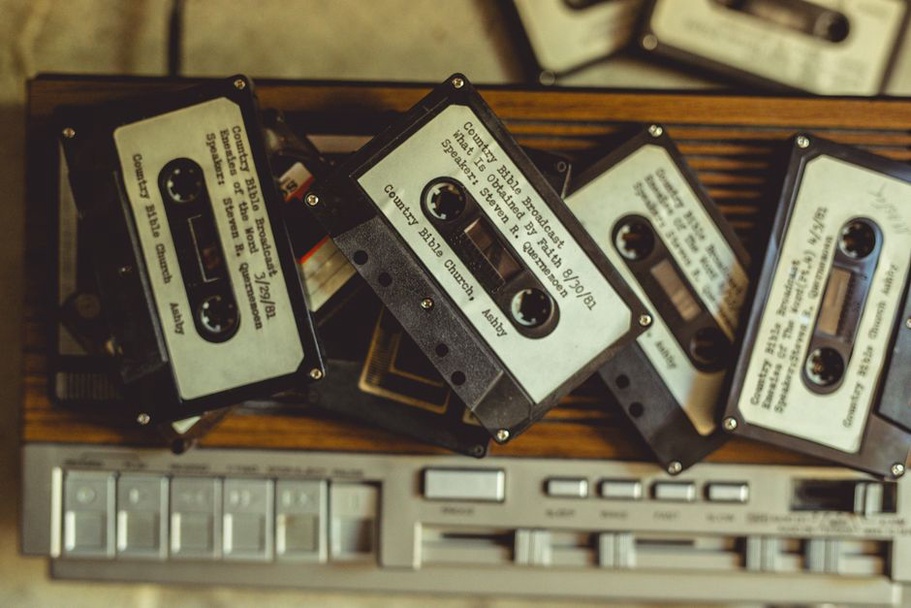
Physical formats are not a nostalgic choice in this scene. They are a functional one. Cassettes and CD-Rs allow artists to release small runs—often 30 to 100 copies—without the overhead of vinyl pressing. They also force the listener to commit. You cannot skip tracks on a cassette the way you can on a playlist. You have to let the tape run. This is a deliberate constraint that shapes how the music is composed. Many Japanese drone artists compose specifically for the cassette format, using the hiss of the tape as an instrument and the limited frequency range as a compositional parameter.
Labels that operate this way often have no web presence beyond a single page or a dead link. Some of the most respected names in the scene—those who have been releasing music since the 1990s—still distribute their work exclusively at live shows or through a handful of specialty shops in Shimokitazawa and Koenji. Tracking down a release becomes part of the listening experience. The difficulty of access is not marketing. It is a side effect of a system that was never designed for mass consumption.

Field Recording: Listening to Place Without Exoticism
Field recording occupies a unique position in Japanese experimental music. Unlike Western field recording traditions that often emphasize the natural environment—birdsong, wind, water—Japanese field recordists frequently document urban and industrial spaces. A typical release might consist of recordings taken inside a 24-hour convenience store, or from the platform of a Shibuya subway station during rush hour, or from a construction site at dawn. The goal is not to capture a pristine soundscape. It is to capture the acoustic texture of a place as it actually exists, with all its hums, rattles, and electronic interference.
When listening to these recordings, resist the impulse to treat them as travelogues. The artist is not trying to show you what Japan sounds like. They are presenting a specific acoustic event that happened at a specific time and place. The fact that it was recorded in Tokyo is incidental. The fact that the recording contains a specific frequency of fluorescent light buzz is essential. For a deeper dive into the technical side of capturing such sounds, our article on field recording microphone techniques and practical tips covers the gear choices and placement strategies that Japanese artists commonly use.
How to Build a Collection Without Algorithmic Guidance
Building a meaningful collection of Japanese underground music requires abandoning the tools that streaming platforms provide. You cannot rely on recommendations, because the music you want is not in the database. Here is a practical workflow used by experienced collectors:
- Start with a single label. Pick one label—preferably a small one with a consistent aesthetic—and buy everything they release for six months. This will give you a coherent picture of a specific corner of the scene. Labels like 004tt operate with such a deliberate obscurity that the act of finding their releases becomes a study in itself.
- Attend live shows when possible. The Japanese underground scene is built around live performance. Many releases are recorded in a single take in front of an audience. The energy of the room is part of the recording. If you cannot attend in person, look for live recordings that include audience sounds—coughing, shifting chairs, the creak of a wooden floor. These are not imperfections. They are evidence of a real event.
- Trade with other collectors. The community around Japanese experimental music is small and generous. Most collectors are happy to share rips of rare releases, or to trade duplicates. Join forums, mailing lists, or Discogs groups dedicated to Japanese underground music. The knowledge exchange is as valuable as the music itself.
- Do not pay inflated prices for rare items. Some releases from the 1990s now sell for hundreds of dollars on the secondhand market. This is a distortion created by scarcity, not quality. Many of the same artists have reissued their work on Bandcamp or on small digital platforms. Start there. The physical object is nice, but the music is the point.
A Note on Genre Terminology
The terms "noise," "drone," and "ambient" are used in the West as catch-all categories, but Japanese artists often reject them. A musician who plays a single feedback loop for an hour may call their work "sound action" or simply "improvisation." A field recordist who documents the interior of a vending machine may describe their work as "documentary." Do not impose genre labels where they do not belong. Listen to the sound, not the category. The artist named the piece for a reason. Trust that.
One useful approach is to listen for structural patterns rather than genre markers. Many Japanese experimental compositions are built on binary oppositions—loud/quiet, fast/slow, presence/absence. This compositional logic is so pervasive that it deserves its own examination. Our article on binary structures in Japanese experimental music traces how this simple formal device generates complexity across dozens of releases.
The Practical Act of Listening
In the end, the only way to understand Japanese underground music is to listen to it repeatedly, in different states of attention, with different speakers, at different times of day. A piece that seemed formless at noon may reveal a clear structure at midnight. A recording that felt harsh on headphones may become warm and enveloping on a cheap mono speaker. The music changes with the conditions of its playback. That is not a flaw. It is the property that makes it worth returning to.
Do not look for the key. There is no key. There is only the sound, the room, and your willingness to stay with it until it becomes something else.