
Catalog numbers in Japanese underground music are rarely arbitrary. They carry information about the label, the format, the release sequence, and sometimes the aesthetic philosophy behind the tape or disc. cmvc520 appears on a small cluster of releases from the late 1990s and early 2000s, primarily associated with the Commune label — a short-lived but influential imprint that specialized in harsh noise, minimalist drone, and electroacoustic works. Understanding what cmvc520 means requires parsing the label's numbering system, the format conventions of the era, and the specific release that bears this code.
The Commune Label and Its Numbering Logic
Commune was founded in Tokyo in 1996 by a collective of musicians and visual artists who wanted an outlet for works that fell between established genres. The label never issued more than thirty releases, but each one was packaged with deliberate attention to materiality — textured cardstock covers, hand-stamped inserts, recycled cassette shells. The catalog numbers followed a consistent pattern: a lowercase prefix indicating the format, followed by a number. "cm" stood for "cassette music" — the label's primary medium. The "vc" that follows is less clear, but likely denotes "video cassette" or "visual companion." Some collectors argue it stands for "variable composition," referencing the label's interest in indeterminate works.
The number 520 is not sequential in the usual sense. Commune's numbering skipped many integers, and 520 appears to be a deliberate choice — possibly referencing a specific date (May 20), a duration in minutes (520 seconds is 8 minutes 40 seconds, a common length for side A of a C30 cassette), or simply an internal inventory code. The label's founder, who remains anonymous in most discographic records, was known to use number sequences drawn from postal codes, train line numbers, and page counts of out-of-print books. There is no surviving interview that explains cmvc520 directly, so the meaning remains speculative.
What cmvc520 Actually Refers To
The release that carries the catalog number cmvc520 is a split cassette between two artists: one operating under the moniker Kaze no Oto, the other under the name Harsher Contexts. The tape contains three untitled tracks per side, each recorded in a single take with no overdubs. Kaze no Oto's contribution is a field recording-based piece built from sounds collected in the drainage tunnels beneath Shinjuku station — water drips, distant footsteps, the hum of ventilation fans, and occasional fragments of conversation. The recording was made using a Sony TCM-5000EV cassette recorder with a binaural microphone setup. The result is immersive but not romanticized; the spaces sound cold, damp, and slightly threatening.
Harsher Contexts offers the opposite approach: a dense wall of feedback and contact microphone noise, recorded directly to a four-track cassette deck with no signal processing beyond the built-in EQ. The piece starts at full volume and stays there for the entire 11-minute duration, with only subtle shifts in harmonic content as the feedback frequencies drift. It is an exercise in endurance — for the listener and presumably for the performer, who had to physically stabilise the microphones to prevent the feedback from collapsing into silence. The two sides do not complement each other in any conventional sense. They exist in parallel, offering two different answers to the same question: what can a single cassette recording contain?
Format and Packaging Details
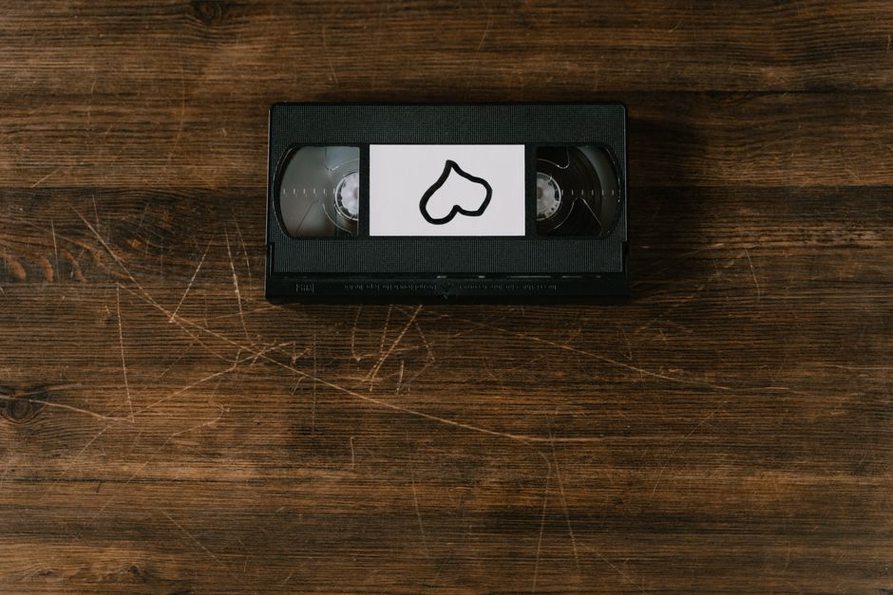
The cmvc520 release was issued on a C60 cassette (30 minutes per side) in a standard Norelco case. The J-card is a single sheet of 120 gsm kraft paper, photocopied in black ink on one side only. The text lists the artist names, the catalog number, and the recording dates — all set in a monospaced typewriter font. There is no track listing, no liner notes, no credits beyond the names. The cassette shell itself is white with a handwritten label affixed to side A; side B has no label, only a small sticker with the catalog number repeated. The total edition size is not printed anywhere on the packaging, but collectors estimate it at around 100 copies based on the number of known surviving copies in private collections and database entries.
The absence of information is itself a statement. Commune deliberately withheld context, forcing the listener to engage with the sound directly. This approach aligns with the label's broader philosophy, which rejected the explanatory frameworks that dominated experimental music discourse in the late 1990s — the tendency to frame every release within a narrative of influence, lineage, or conceptual intent. cmvc520 offers no such framing. It simply exists.
How cmvc520 Fits into the Broader Catalog System
Commune's catalog includes several other releases with similar prefixes: cmvc518, cmvc519, cmvc521, and cmvc522. These form a contiguous block of five releases, all issued between October 1998 and March 1999. The numbering suggests a deliberate series, possibly curated around a specific theme or set of recording techniques. cmvc518 is a solo work by a musician known only as "T." — a 20-minute piece for prepared piano and contact microphones. cmvc519 is a collaboration between two field recordists documenting the industrial waterfront of Yokohama. cmvc521 is a live recording of a noise performance at a small gallery in Koenji. cmvc522 is a tape of sine wave oscillations and acoustic feedback, credited to a collective called Phase Shift.
What unites these releases is not genre but methodology. All five were recorded on portable cassette equipment, all were mastered in real time to the final tape without editing, and all were packaged in the same kraft paper J-cards with the same typographic layout. The series functions as a statement about the primacy of the recording process over the finished product — a position that was already becoming unfashionable in 1999, as CD-Rs and digital editing were making home recording easier and more polished. Commune's insistence on the limitations of cassette recording was, in retrospect, a deliberate anachronism.
The Collector's Perspective
For collectors of Japanese underground cassettes, cmvc520 occupies a peculiar position. It is not rare enough to be legendary — copies surface on auction sites once or twice a year — but it is obscure enough that few listeners have actually heard it. Most copies are held by collectors who specialise in the Commune label or in late-1990s Japanese noise. The tape's value is driven partly by its catalog number, which fits into the broader pattern of numeric codes that permeate Japanese DIY culture. The relationship between numbers and releases in this scene is explored in detail in our earlier article on The Number Five in Japanese DIY Cassette Culture, which discusses how labels use digits to encode information about format, edition, and sequence. cmvc520, like many Commune releases, uses a five-digit code that resists easy decoding — the "5" and "2" and "0" may refer to the number of tracks, the year (2000? 2002?), or something else entirely.
The physical condition of surviving copies varies widely. The kraft paper J-cards are prone to fading and tearing; the white cassette shells show scuff marks easily. Many copies were stored without cases, stacked directly on shelves, and the labels have partially rubbed off. Collectors prize copies with intact labels and minimal wear. The sound quality of the tape itself is generally good — Commune used TDK D60 stock, which holds up well over time — but some copies exhibit wow and flutter due to age and storage conditions. There is no known digital transfer of the release in circulation. The only way to hear cmvc520 is to find a physical copy and play it on a functioning cassette deck.

Practical Advice for Finding and Playing cmvc520
If you are looking for a copy of cmvc520, the most reliable sources are Japanese auction sites and specialist cassette dealers who attend events like the Tokyo Cassette Fair or the Osaka Independent Music Market. Expect to pay between ¥3,000 and ¥8,000 depending on condition and whether the original J-card is included. Be cautious of listings that show a photograph of the tape but do not mention the catalog number — some sellers list Commune releases without knowing what they have, and the number is the only reliable identifier.
When you receive the tape, inspect the cassette shell for cracks around the screw holes. The white plastic that Commune used is more brittle than standard black shells, and many copies have hairline fractures that can cause the tape to jam. If the shell is intact, clean the tape path with isopropyl alcohol before playing, especially if the tape has not been played in several years. The first few seconds of each side may contain oxide shedding; let the tape run for 30 seconds and then rewind before listening properly. This is standard practice for any cassette from this era, but it is especially important for Commune releases because the label did not use leader tape — the magnetic coating starts immediately at the beginning of the reel.
Playing the tape on a Nakamichi or similar high-end deck will reveal details that are inaudible on portable players. The field recording side in particular has subtle low-frequency information — the rumble of trains passing through the drainage tunnels — that gets lost on small speakers. The noise side benefits from a deck with accurate azimuth alignment, as the original recording was made on a four-track machine that may not have been perfectly calibrated. If the tape sounds muffled or distorted, try adjusting the azimuth screw on the playback head. This is a simple operation that can significantly improve the sound quality of poorly aligned tapes.
Why cmvc520 Matters Now
In an era when most experimental music is distributed digitally and consumed as files or streams, cmvc520 stands as a reminder of a different set of priorities. The release was never intended to reach a wide audience. It was made for a small network of listeners who valued the physical object, the limitations of the medium, and the specific sonic character of cassette recording. The catalog number, cmvc520, is not a marketing tool. It is a filing code, a piece of data that helps the label and the collector keep track of a tiny fragment of a larger system. That system — the network of small labels, tape traders, and collector communities that sustained Japanese underground music in the 1990s — is still active today, though it has changed shape. Understanding how a single catalog number functions within that system tells you more about the culture than any genre label or artist biography ever could.
The next time you encounter a five-digit code on a Japanese cassette, do not try to decode it immediately. Instead, consider what the number does not say: the number of copies pressed, the recording locations, the names of the musicians involved, the date of the performance. cmvc520 withholds all of that. What it offers instead is a point of entry — a way to locate a specific object within a vast, undocumented landscape. That is enough.