
A cassette bears a performer’s name. That does not make it their release. It could be a recording of a shared bill, a radio broadcast, or a later copy of a live set. In archives of Japanese experimental music, the label, a handwritten date and the sound itself may each tell a different story.
“Archive” might mean a formal collection, a musician’s boxes of working tapes, a small label’s remaining stock or files passed between listeners. Such holdings preserve noise, electroacoustic work, improvisation, ambient music and field recordings. They also hold traces of how the recordings changed hands. To understand one, ask what object survived, who described it and what happened between the session and the copy you can hear.
Start with the object, not the genre
Before calling a tape noise or drone, establish what you have. Is it an original cassette, a duplicate or a digital transfer? Does the case belong to the cassette inside? Were the title and date printed, written by hand or added later by a collector? After years of reboxing, a commercially duplicated release can resemble a rehearsal copied for a friend.
Archive notes should separate evidence on the object from information supplied by someone else. A sleeve may give a title; an accompanying letter may say the tape was recorded at a particular venue. Keep both claims and their sources visible. For a digital file, retain the original filename alongside a clearer catalog title. Even a misspelling may be the only surviving clue to how it circulated.
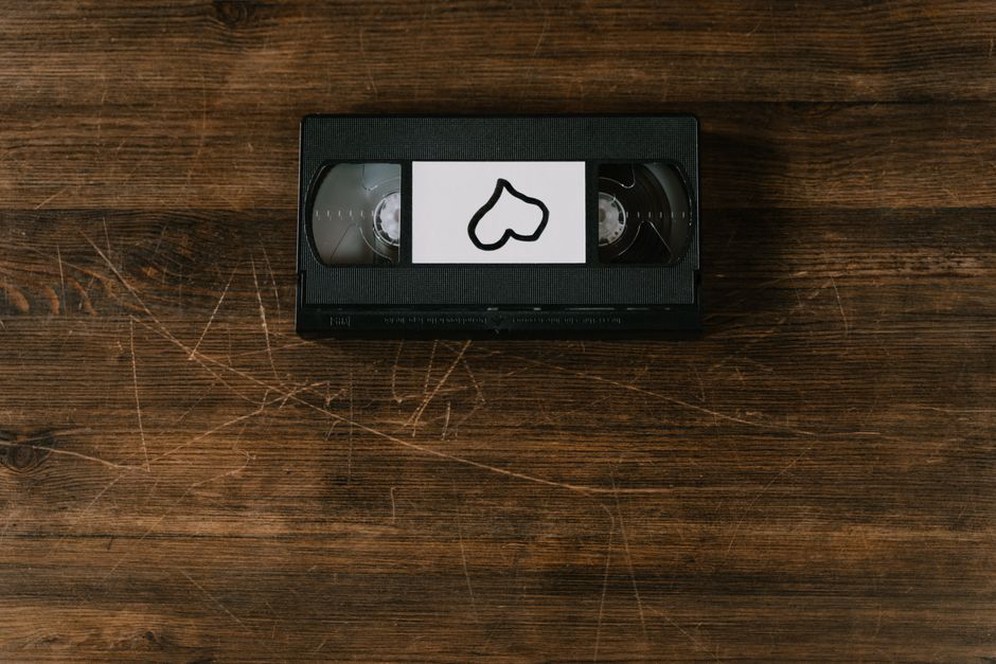
That distinction matters in DIY circulation, where a tape might serve as a release, correspondence, documentation or a source for further copies. K7 Cassettes in Japan’s Experimental Music looks more closely at the format as a means of exchange and an archive. A surviving copy does not necessarily have the same status it had when it first changed hands.
Follow provenance without filling gaps
Provenance connects a recording to its source through custody and description, though the path is seldom tidy. An audience member might tape a performance; a musician might dub that tape; someone else might transfer a later-generation copy and upload it under a filename of their own choosing. The uploader may never have seen the cassette. At each step, the sound or the information attached to it can change.
A basic record should keep these claims apart:
- Physical or digital source: the particular cassette, disc, drive or file being examined.
- Inscribed information: wording on the object or in its original folder, transcribed without correction.
- Attributed information: names, dates and locations supplied through correspondence, listings or other documentation.
- Transfer history: known copying, digitization and processing steps, with gaps noted.
- Confidence: what is confirmed, plausible or still unidentified.
Keeping those fields separate lets a later finding improve an entry without wiping away earlier evidence. An opaque filename needs as much care as a well-documented release. The account of the orphan file “waseted 9” shows why a fragment deserves investigation without treating its filename as a settled identity.
Dates are not interchangeable
A performance, its recording, the duplication of a cassette and an upload may be years apart. A cassette shell can suggest when a copy was made, but cannot date the performance on its own. Metadata created during a modern transfer describes the new file, not necessarily the original session. Where the evidence allows, “recorded by” or “copy obtained from” is more precise than labeling every date “released.”
Listen for what the transfer may have changed
Archival audio is evidence, but it has passed through equipment and, often, other copies. Hiss might come from the original recording, a later duplicate, the playback machine or several generations at once. An uneven balance between channels could be intentional or the result of damage. An abrupt ending might be a deliberate cut, a tape running out or an incomplete transfer. Listening alone may not settle it.
When digitizing, keep an unprocessed transfer before making a listening copy. Note the playback speed, equipment and any interventions. If you repair a channel or apply noise reduction for access, distinguish that version from the preservation file. Heavy cleanup may strip away quiet room sound, electronic texture or low-level events central to the work. A listener might prefer the cleaner version; a researcher needs to know what it leaves out.
Describe people and permissions precisely
An archive can make a person visible while getting their role wrong. A name on a sleeve could belong to a performer, recordist, cover artist, distributor or previous owner. In collaborative improvisation, a tape credited to one musician may include others named only on a flyer or in correspondence. Record roles you can verify, and leave the rest open.
Owning a tape does not automatically give an archive permission to publish its audio or artwork. The physical copy, copyright in the recording, rights in a composition and performers’ interests are separate matters. A descriptive catalog entry may be possible while the archive investigates what it can share publicly. For private correspondence or material never intended for release, consult the people involved where possible.
Build a catalog that can admit uncertainty
A useful catalog entry need not look definitive. It should let someone else tell observation from inference and locate the object again. For an unidentified cassette, it might say: “Two unmarked sides; handwritten name on separate case; no verified match between case and tape; transfer made from this copy; performance date unknown.” If a flyer later establishes the performers, add the finding and cite the flyer rather than replacing the original note.
Keep the cassette and its possibly mismatched case associated, but give each its own identifier. Photograph both sides, transcribe the handwriting as it appears and assign the transfer a stable local identifier. The next listener can then check the evidence instead of inheriting a title guessed from the sound.