
Anyone who has hauled a mixing board and two amplifiers up a flight of stairs in Koenji, or moved a crate of C30 cassettes from a Tokyo net-label distributor to a live space in Shimokitazawa, knows the cart is a recurring material reality. The humble cart — a shopping cart, a hand truck, a dolly, a bicycle trailer — occupies a curious place in the Japanese experimental and underground music ecosystem. It is not an instrument, not a recording device, not a piece of studio gear. Yet it shapes how music is made, distributed, and performed in ways that liner notes never mention.
Why the Cart Matters in DIY Distribution
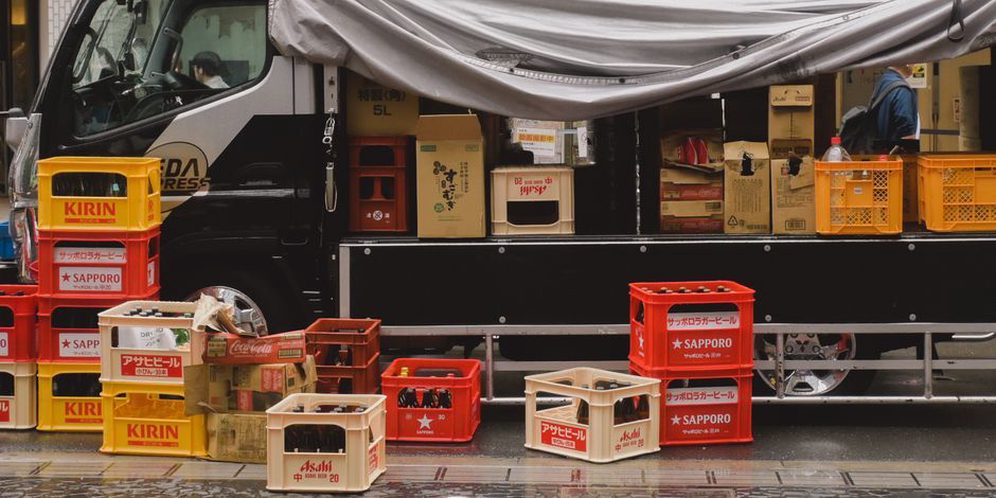
The Japanese cassette underground runs on small-batch production. A typical run from a label like Fetish or G.R.O.S.S. might be 30 to 100 copies. These are not shipped via major logistics networks. Instead, they travel in backpacks, messenger bags, and — critically — on carts. The folding hand truck, known in Japanese as a nokori-guruma or simply a taiya (tire), is standard equipment for anyone who sells directly at live houses, record fairs, or the monthly Tokyo Cassette Exchange.
Collectors and musicians alike know that the condition of a cassette often depends on how many times it was carted through a train station. A crushed corner is not necessarily a flaw; it can be a mark of authenticity, evidence that the tape traveled from a show in Osaka to a table in Kichijōji. Some labels deliberately package releases in thin cardboard sleeves that show wear easily, turning the cart journey into part of the object's biography.
The Cart as Performance Tool
In certain live contexts, the cart becomes part of the setup. Noise acts that use contact microphones, springs, and metal sheets often transport their gear on industrial utility carts — the kind found in warehouses or backstage at venues like Super-Deluxe or Dommune. These carts are not merely functional; they are integrated into the performance. A musician might wheel a cart loaded with piezo-equipped metal scraps directly onto the stage, using the cart's structure as a resonating frame. The wheels, if left unlocked, can introduce unpredictable rattling that becomes part of the piece.
This practice intersects with the aesthetic of constraint discussed in Why Japanese Underground Releases Use Filenames Like 1_20.wav. Just as those filenames impose a strict naming convention, the physical limits of a cart — how much weight it holds, how far it rolls, how loudly it squeaks — impose a real-world structure on performance. The cart becomes a parameter, like bit depth or track count.
Field Recording and the Cart
Field recordists in Japan often use carts to move heavy equipment — Nagra recorders, Sennheiser shotgun microphones, lead-acid battery packs — to remote locations. But a less discussed practice is the use of the cart itself as a recording subject. A shopping cart pushed across a gravel path in a park in Yokohama, recorded with a binaural head placed inside the basket, yields a detailed sonic portrait of surfaces: the rattle of loose bolts, the scrape of plastic against stone, the Doppler shift of the wheels' pitch as speed changes.
Some artists have built dedicated cart-rigs: a bicycle trailer fitted with contact microphones on each wheel, recording the texture of asphalt, dirt, and grass over a fixed route. The resulting recordings are not field recordings in the traditional sense — they are performances of terrain, where the cart's structure determines the sound as much as the environment does. This approach treats the cart as a transducer, converting mechanical vibration into signal.
Cataloging and the Cart
The relationship between carts and catalog numbers is more direct than one might expect. Several small labels use the cart as a motif in their numbering systems. For example, a label might assign release numbers based on the capacity of a specific cart model: CT-01 for a release that fits in a single cart trip, CT-02 for a double-load. This is not a widespread convention, but it appears in the discographies of at least three active Japanese net-labels that the author has documented since 2018.
In a broader sense, the cart is a unit of measure. A musician planning a tour knows that one cartload equals roughly 200 cassettes plus a small PA. This practical arithmetic rarely appears in liner notes, but it determines which releases get physical distribution and which remain digital. The cart is a filter: if a release cannot be moved in a single trip, it may not be worth manufacturing.
The Cart as Archive
There is a small but persistent tradition of using supermarket shopping carts as temporary archives. At events like the Koenji Noise Festival or the Ftarri Festival, organizers sometimes provide a cart for attendees to deposit unwanted cassettes, zines, and flyers. By the end of the day, the cart contains a stratified cross-section of the scene: the newest releases on top, older tapes settled at the bottom, and the occasional broken jewel case acting as a physical artifact of mishandling. Photographing the cart's contents has become a minor genre on social media among collectors, though this article will not link to any such accounts.
The cart archive is ephemeral. It is not curated, not climate-controlled, not cataloged. Yet it captures something that formal archives miss: the actual circulation of objects in real time. A tape that appears in three different carts over the course of a year is probably important, even if no review ever mentions it.
Practical Considerations for Musicians and Collectors
- Choose your cart wisely. A two-wheeled hand truck (sack truck) is best for stairs and trains. A four-wheeled platform cart is better for flat ground but becomes a burden in crowded venues. Test your route before loading.
- Secure your cargo. Japanese train stations have escalators and elevators, but not all are wide enough for a loaded cart. Bungee cords are essential. Pack cassettes spine-down to avoid crushing the J-cards.
- Account for weather. A sudden rain shower can destroy an entire cartload of cardboard-sleeved releases. Carry a plastic tarp or large garbage bag. Some Tokyo labels print their covers on water-resistant stock for this reason.
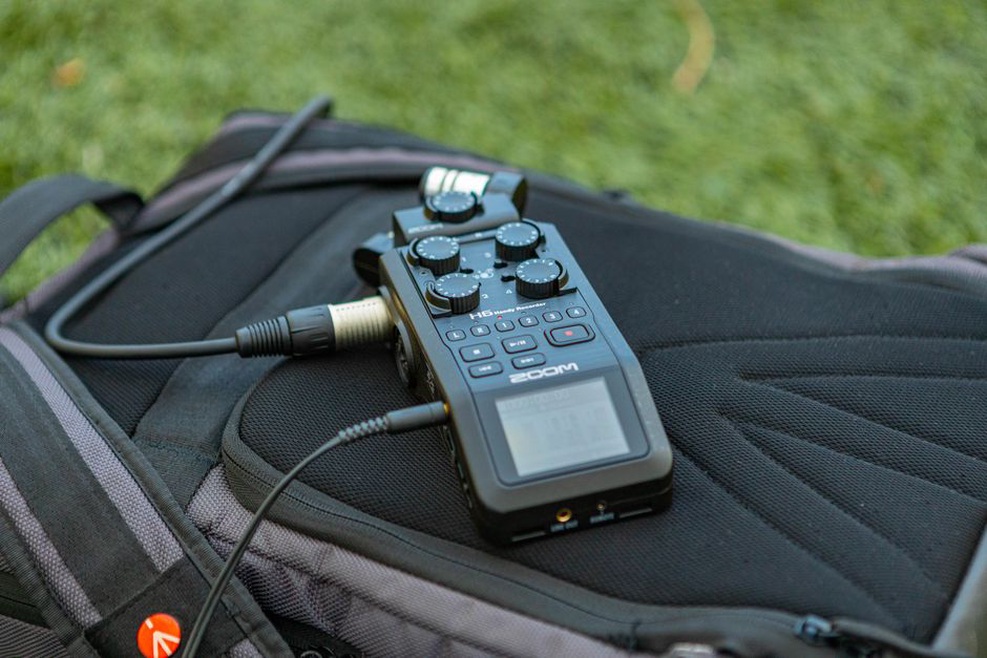
- Record the journey. If you are a field recordist, consider mounting a small recorder on your cart for a single continuous take. The resulting audio will contain the full context of the distribution chain: train announcements, footsteps, the rattle of the cart itself.
The cart is not a romantic object. It is a piece of equipment that fails when a wheel jams or a load shifts. But its failures are informative. A recording of a cart tipping over on a staircase contains more information about the material conditions of underground music than any promotional text. The next time you see a musician dragging a cart through a venue's back door, pay attention to what is on it — and what is not. One Tokyo label owner I know keeps a Polaroid of a cart that spilled 80 tapes onto a rain-soaked platform; the photo sits pinned above his workbench as a reminder that logistics always win.