
The 7-inch single, a format that predates the compact disc by decades, occupies a peculiar space in Japanese experimental music. It is neither the preferred medium for the sprawling drone compositions that unfurl over forty minutes nor the go-to for the harsh noise wall artists who favor the 12-inch or the cassette as a canvas for sustained assault. Yet the 7-inch persists, often in editions of 100 or fewer, pressed on recycled vinyl or lathe-cut by hand. It is a format of constraints, and those constraints shape the music itself.
At 45 revolutions per minute, a standard 7-inch record allows roughly 6 to 7 minutes of audio per side before the groove density forces a compromise. For a noise musician accustomed to releasing a single 20-minute track, this is a discipline. The 7-inch demands condensation. A piece must either be a short, concentrated burst — a single gesture, a feedback loop that builds and decays within the allotted time — or a fragment that implies a larger work. Many Japanese experimental 7-inches consist of a single untitled track per side, with no liner notes, no credits, no explanation. The listener is left with the physical object and the sound it contains, nothing more.
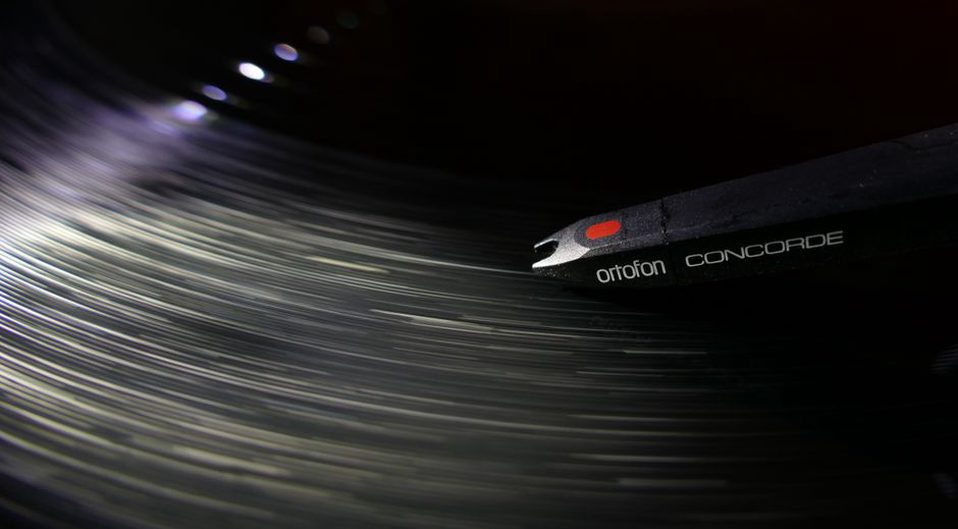
The 45rpm Constraint
The speed choice is not arbitrary. 33⅓ rpm is sometimes used for longer recordings on 7-inch, but it sacrifices fidelity and cuts into the shallow groove area. In experimental circles, 45 rpm is standard because it preserves the high-frequency detail that noise and electroacoustic works rely on — the crackle of a broken amplifier, the hiss of a field recording, the micro-articulations of a bowed cymbal. The format also forces a decision: stereo or mono? Many small labels opt for mono to maximize groove width and reduce surface noise, a trade-off that suits the raw, unpolished aesthetic of the scene.
Duration limitations also affect the compositional approach. A drone piece that would normally take 15 minutes to reach its full density must be trimmed to its essence. Some artists respond by releasing paired 7-inches — two singles that together form a single work, often sold as a set with a single sleeve. Others treat the 7-inch as a sketchbook, a place to test ideas that will later be expanded on a cassette or a 12-inch. The format thus becomes a document of process, not product.
Handmade Aesthetics
In the Japanese DIY network, the 7-inch is often the most labor-intensive release a label can produce. Unlike a cassette, which can be duplicated in a home setup with a stack of blank tapes and a double-deck recorder, vinyl requires a pressing plant or a lathe-cutting service. The few independent lathe-cut operators in Japan — individuals who have modified vintage record cutters to run in their apartments — produce discs one at a time. The acetate coating is soft, the sound is warm but noisy, and the grooves are shallow. These records wear out after a few dozen plays, which is part of the point: the object is ephemeral, not archival.
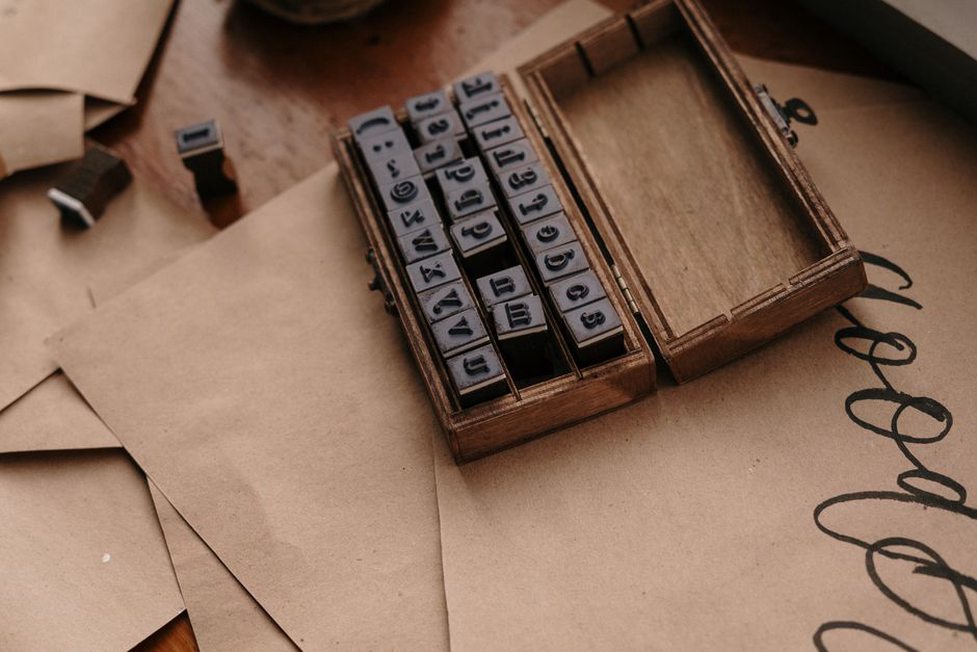
Sleeves are often handmade: silkscreened cardboard, ink-stamped manila paper, or recycled LP jackets cut down to size. The catalog number, if it exists, is handwritten. The labels themselves — the paper circles on the disc — are sometimes replaced by a small piece of tape with a date. The aesthetic is deliberate anonymity. In this, the 7-inch format aligns with the ethos of labels like 004tt or 008tt, which actively obscure their own existence. The record is not a promotional item; it is a transmission that happens to be physical.
The Collector’s Object
Collectors approach these 7-inches with a different logic than they apply to other formats. Condition is less important than provenance. A lathe-cut record that has been played twenty times and has visible scuffs is still valuable because it is scarce. The edition sizes — 50, 30, 10 copies — mean that the commercial value is determined not by the music but by the scarcity of the object. This creates a strange feedback loop: a label that presses 15 copies of a 7-inch is not trying to reach an audience; it is producing a totem. The music is secondary to the act of release.
This is not a criticism. It is simply a fact of the economy. The 7-inch single in Japanese experimental music is rarely a gateway to a broader audience. It is a private gesture between the artist and the handful of people who will hear it. The price — often high for a single, sometimes ¥2,000 to ¥3,000 — reflects the handmade labor and the small scale, not the market demand. And the format itself, with its short runtime and fragile materials, discourages casual listening. You do not put a lathe-cut 7-inch on a cheap turntable with a heavy tonearm; you lower the weight, clean the stylus, and listen in real time because the record cannot survive a skip.
The Two Sides of the Coin
The number in the title of this article — 7 2 — is a shorthand for the format’s dual nature: two sides, two tracks, two possible listening experiences. The A-side and B-side are not always structured as a pair. Sometimes the B-side is blank, or contains a locked groove that repeats a single cycle of noise indefinitely. Sometimes the A-side is a field recording and the B-side is a sine wave oscillator. The relationship between the two sides is an element of the composition itself. This binary structure — two sides, each a self-contained unit that nevertheless interacts with the other — echoes the concerns of artists who work with paired opposites: silence and sound, continuity and interruption, the intentional and the accidental. Our earlier article on binary structures in Japanese experimental music explored this further, but here the format literalizes the concept.
In the context of the 7-inch, the two sides are not equal. The A-side is traditionally the “lead” track, but in experimental releases the distinction is often erased. Some labels press the disc with no label information at all, so the listener cannot tell which side is which. Others deliberately cut the grooves so that the record plays from the center out, or they use a reverse spiral that forces the needle to travel inward. These are not gimmicks; they are ways of reclaiming the format from its commercial history. The 7-inch, once the vehicle for pop singles and jukebox hits, is repurposed as a medium for the uncommercial.
One practical tip for anyone who wants to release a 7-inch in this scene: do not use a standard pressing plant unless you are pressing at least 300 copies. The economics of small-run vinyl in Japan are punishing. Instead, seek out the lathe-cut operators who advertise on mailing lists or at events like the Kansai Noise Fest. They will cut a single disc for a few thousand yen, and you can hand-make the sleeve yourself. The result will be noisy, imperfect, and unique. That is the point.
The 7-inch format in Japanese experimental music is not a gateway or a statement. It is a remnant of a manufacturing process that refuses to die, kept alive by a community that values the object as much as the sound. In a store like Disk Union’s Shinjuku branch, the 7-inch section for experimental music is often a single shelf tucked between the punk reissues and the reggae. The records there are filed not by label but by hand — a librarian’s whim. That is the format’s legacy: it refuses to be catalogued properly.