
In Japanese experimental music, the simplest numerical titles often carry the most weight. The pairing 1 2 — two digits separated by a space — is not just a track listing; it is a compositional statement. Across noise, drone, ambient, and electroacoustic work, the number two recurs as a structural principle: two sounds, two channels, two movements, two states. This article examines how the binary logic of 1 2 manifests in the music itself, from the spatial arrangement of field recordings to the rhythmic pulse of minimalist drones.
Binary Opposition in Sound
The most immediate interpretation of 1 2 is opposition. In Japanese noise, the interplay between a single sustained tone and a sudden burst of static creates a dialogue of extremes. Many works are built around exactly two contrasting elements: a low-frequency hum versus high-frequency feedback, or a quiet field recording versus a wall of distortion. This is not the layered complexity of Western classical minimalism (where multiple voices interweave) but a stark, almost confrontational pairing. The space between the two numbers is as important as the numbers themselves — it represents the silence or the threshold where one element gives way to the other.
In drone and ambient, the two-element structure often appears as a slowly morphing dyad: two pitches that beat against each other, producing difference tones that become the real content of the piece. The listener is not asked to follow a melody but to inhabit the friction between two frequencies. This approach is common on cassette releases from smaller DIY labels, where the limited runtime forces a concentrated exploration of a single binary relationship.
The Spatial Dimension: Two Channels
Japanese experimental music frequently exploits the stereo field as a compositional tool. A track titled 1 2 may literally mean that channel 1 carries one sound source and channel 2 carries another, with no mixing. Field recordings are often split: left channel captures the rustle of bamboo, right channel the distant hum of a transformer. The listener's head becomes the mixing board. This extreme separation is a hallmark of certain electroacoustic works and is prized by collectors who seek out releases that demand careful headphone listening. The lack of panning or blending forces the brain to reconcile two separate acoustic realities — an experience that is both disorienting and revealing.
Practical Implications for Recording
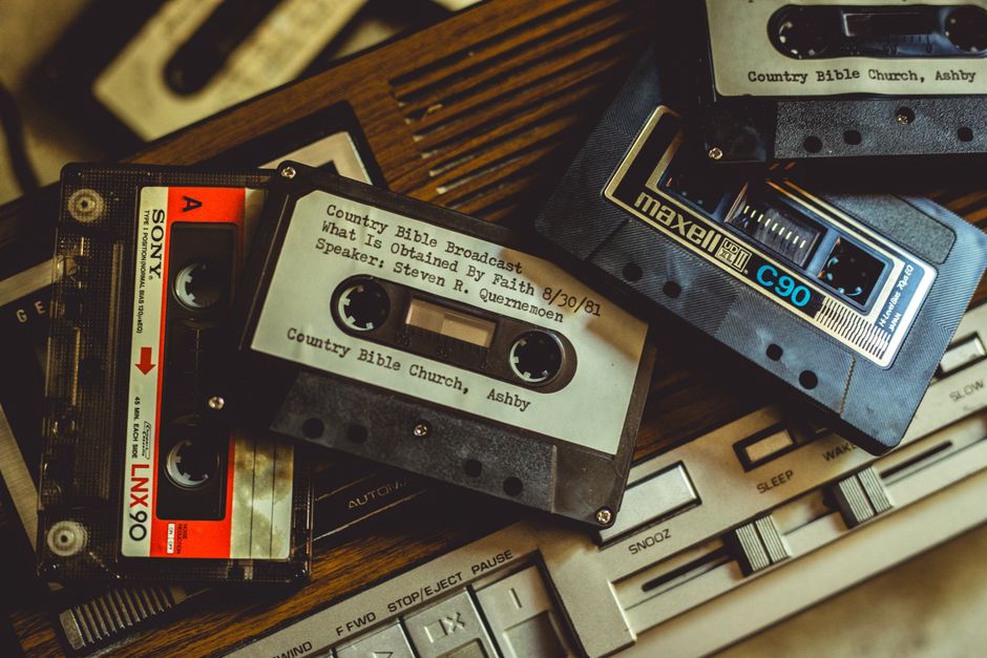
For musicians working in this vein, the 1 2 approach imposes discipline. Recording two separate sources simultaneously without post-processing requires careful microphone placement and an acceptance of unpredictability. The result is a document of a specific moment rather than a constructed mix. This aligns with the DIY ethos: the music is what it is, not what the engineer wanted it to be. Many cassette releases on Japanese underground labels embrace this rawness, and the numbering of tracks as 1 and 2 (or Side A and Side B) becomes a literal description of the recording process.
Temporal Structures: Two Movements
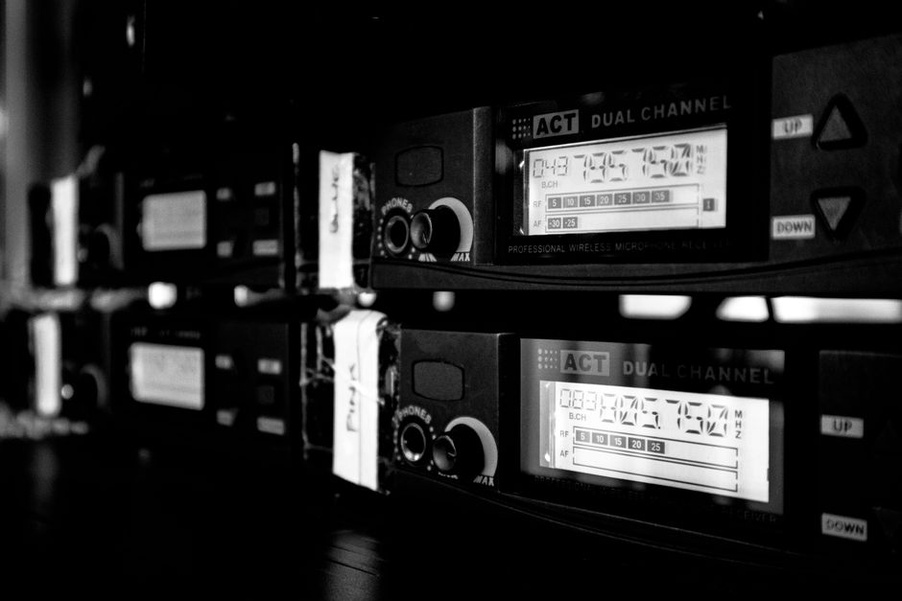
Beyond spatial and sonic binaries, 1 2 can denote a temporal split. A piece may consist of two sections — the first a long, unbroken drone, the second a series of short, percussive events. The transition between them is often abrupt, with no fade or bridge. This two-part form is distinct from the traditional verse-chorus or exposition-development models. It is closer to a diptych: two independent works that gain meaning from their juxtaposition. In the context of a cassette or CD-R, the two parts may even occupy separate sides or tracks, reinforcing the physicality of the medium. The listener must flip the tape or skip to the next track, an act that becomes part of the composition.
Common Uses of the Two-Element Structure
- Single tone + noise burst — a held sine wave interrupted by a short blast of distortion.
- Field recording + processed feedback — natural sounds overlaid with electronic interference.
- Two contrasting field recordings — e.g., water dripping vs. metal scraping, panned hard left and right.
- Two oscillators — detuned to create beating patterns, often left to evolve for the entire duration.
- Live improvisation in two parts — first part solo, second part with a second performer or tape loop.
These structures are not exclusive to Japanese music, but they appear with notable frequency in the country's underground. The cultural tendency toward reduction — stripping away the unnecessary — finds a natural outlet in the binary.
The DIY Ethos of Numerical Simplicity
The use of 1 2 as a title also reflects the anti-commercial stance of many Japanese cassette labels. A numbered title is anonymous, unpretentious, and resistant to marketing. It tells the listener nothing about mood or genre, forcing them to engage with the sound directly. For the collector, a release titled simply 1 2 is often a clue that the music inside is conceptually rigorous — that the artist has thought about the number as a framework, not a random label. This is especially true on labels that release editions of fewer than 50 copies, where the packaging is minimal and the focus is entirely on the audio.
The DIY culture that surrounds these releases prizes the handmade and the imperfect. A photocopied J-card with handwritten track numbers is not a sign of amateurism but of intentionality. The number 2 might be scrawled next to a fingerprint smudge, or the 1 might be crossed out and rewritten. These physical traces echo the sonic rawness inside. The listener who buys such a tape knows they are acquiring a unique object, not a mass-produced commodity.
Why Two? Why Not One or Three?
The choice of two over one or three is not arbitrary. One can feel too absolute — a monolith. Three introduces a middle ground, a resolution. Two remains in tension. It is the smallest number that still implies a relationship. In the context of Japanese experimental music, this tension is the engine of the piece. The music does not resolve; it oscillates between the two poles. The listener is left in a state of suspension, which is precisely the goal of much drone and noise work. The number 1 2 is therefore not a placeholder but a manifesto.
For the collector seeking out releases with such minimal titles, the search often leads to the most conceptually rigorous work — where the number is not a label but a map of the sound inside. Pay attention to how the two elements interact: are they opposed, complementary, or indifferent? The answer defines the piece.