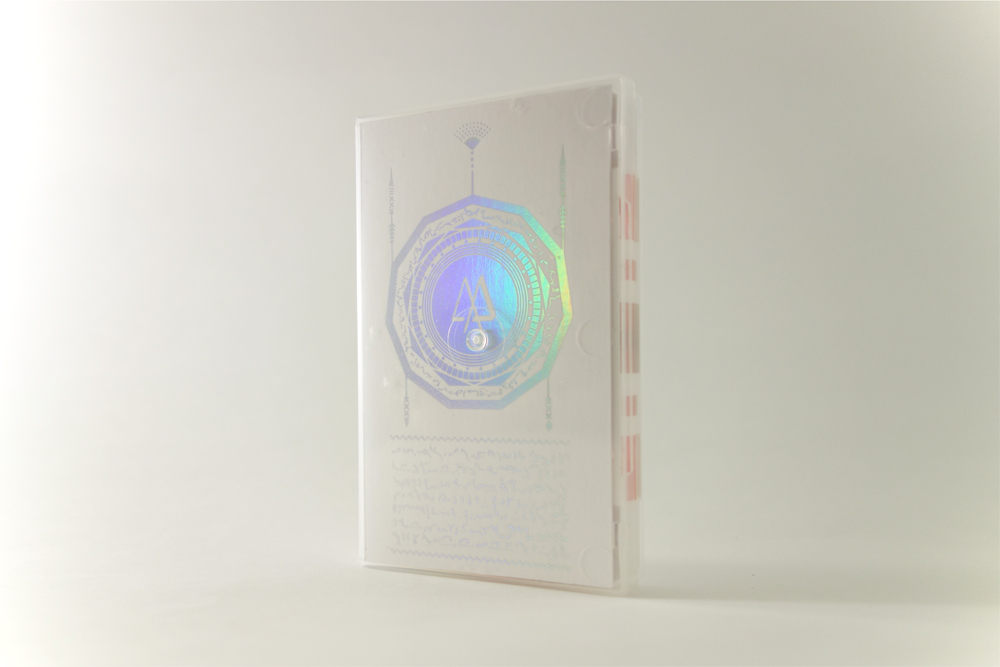
sludge009 cn: The Phantom File of Japanese Noise

The sludge series has no manifesto. No label, no artist statement, no catalog number that maps to any known distro. It exists as a scatter of files across dead blogs, defunct Geocities mirrors, and the occasional textfile on a server that still serves index.html pages from 2003. sludge009 cn is one of those files — a single audio artifact whose filename contains exactly enough information to be useless.

The cn suffix appears across the sludge sequence alongside min, cm, cc, cass, and cu. Each suffix seems to denote a different format, transfer method, or source medium. min likely refers to a MiniDisc master. cass points to a standard compact cassette. cm and cc are ambiguous — possibly indicating cassette models (Chrome Metal, Chromium Cassette) or recording configurations (channel mode, center channel). cu is a dead format that resists modern playback entirely. cn sits in the same grey zone: it could mean "chrome normal," a specific tape formulation, or it could be a typo that propagated because nobody corrected it.

What sludge009 cn Actually Sounds Like

The audio itself is roughly twelve minutes of heavily saturated low-end drone, overlaid with what sounds like a contact microphone pressed against a vibrating metal surface. There is no dynamic arc. No crescendo, no resolution. The track begins at full intensity and stays there until an abrupt cut at the end — no fade, no tape hiss tail, no room tone. This suggests either a hard edit from a longer session or a recording that was truncated during transfer. The frequency spectrum is narrow: most of the energy sits below 200 Hz, with a thin layer of harmonic distortion in the upper mids that could be tape saturation or a cheap microphone preamp clipping.

It does not sound like a performance. It sounds like a test — someone checking how a circuit behaves under load, or recording the hum of a transformer that was later processed through a chain of effects. The lack of intentionality is itself a statement. This is noise that refuses to signal artistic intent. It offers no entry point for interpretation.

The Problem with Context-Free Archives

Files like sludge009 cn are not rare because they are secret. They are rare because the infrastructure that once held them has collapsed. Japanese noise blogs from the early 2000s operated on free hosting services that shut down without notice. File names were often truncated to eight characters by server limits. Metadata was stripped during re-uploads. The result is a corpus of orphaned audio where the only identifier is a filename that may itself be corrupted.

Collectors who trade these files often rely on directory listings and text logs from defunct forums. A file named sludge009 cn.mp3 might have been posted as part of a larger set that included a text file with track titles, but that text file is now gone. The audio survives; the context does not. This creates a situation where the file becomes more interesting as a forensic object than as a listening experience. The question shifts from "Is this good?" to "What was this supposed to be?"

How the File Circulates

sludge009 cn appears in three known locations as of late 2024:

  • A private tracker dedicated to obscure Asian noise — the file is listed with no seeders and no comments.
  • A Russian file-hosting site from 2012, where it sits alongside unrelated MIDI files and scanned zines.
  • A single post on a now-locked Japanese blog, where the surrounding HTML was not archived by the Wayback Machine.

None of these sources provide a date. The filename itself offers no year, no edition number, no label code. The bitrate of the MP3 (192 kbps, CBR) suggests it was encoded sometime after 2000 but before wide adoption of VBR. The tag fields are empty except for the title field, which simply repeats the filename. The artist field is blank. The album field is blank. This is not an oversight — it is a deliberate stripping of authorship that aligns with the sludge series' apparent ethos.

The Tape Formulation Theory

If cn does refer to a tape type, the most plausible candidate is "chrome normal" — a hybrid formulation that some budget manufacturers used in the late 1990s. Chrome normal tapes sat between Type I (ferric) and Type II (chrome) in bias and equalization. They were not widely adopted because they required non-standard recording EQ on most consumer decks. A musician recording on a chrome normal cassette would have needed to manually adjust bias or accept a dull, muffled sound. The low-end-heavy character of sludge009 cn is consistent with a tape that was recorded with Type II bias but played back on a Type I setting, or vice versa.

This is speculation, but it is the kind of speculation that the sludge series invites. The files are so stripped of metadata that the only way to reconstruct their history is through material analysis of the sound itself — listening for tape hiss, preamp noise, encoding artifacts, and the acoustic signature of the room where the recording was made.

The Relationship to Other sludge Suffixes

The sludge series uses suffixes that appear to encode technical information about the source medium. A comparison of known variants reveals patterns:

Suffix Likely Meaning Known Releases
min MiniDisc sludge001 min, sludge005 min, sludge007 min, sludge009 min
cass Compact Cassette sludge005 cass, sludge006 cass, sludge007 cass, sludge009 cass
cm Uncertain (Chrome Metal?) sludge006 cm, sludge007 cm, sludge008 cm
cc Uncertain (Chrome Cassette?) sludge004 cc, sludge006 cc, sludge008 cc
cn Chrome Normal (?) sludge009 cn (only known instance)
cu Dead format / Unknown sludge008 cu (only known instance)

The fact that cn appears only once in the series suggests it was an experiment, a one-off transfer, or a mislabeled file that was never corrected. The cu suffix is similarly singular, and the file known as sludge008 cu cannot be played on any standard audio software — its format is unrecognized, suggesting a raw data dump or a corrupted header.

Why This Matters Beyond the File Itself

sludge009 cn is not a great piece of music. It is not even a complete piece of music. But it is a data point in a larger pattern of anonymous noise distribution that defined the Japanese underground in the early 2000s. The sludge series as a whole represents a moment when artists chose to release work without names, without labels, without any of the apparatus that the music industry — even the experimental music industry — depends on. The only identifier is a filename, and even that filename is ambiguous.

For collectors, the challenge is not finding the file. The challenge is knowing what to do with it once you have it. You can store it in a folder with the other sludge files. You can listen to it and try to place it in a mental map of Japanese noise. You can attempt to decode the suffix through spectral analysis or comparison with known hardware. Or you can accept that some files exist only to demonstrate the limits of archival practice. sludge009 cn is one of those files. It does not want to be understood. It only wants to be found.

The file sits in a folder on my drive next to a handful of other sludge orphans. I have not renamed it. I have not converted it to FLAC. I have not added genre tags. The cn suffix remains a question mark. That is the only honest response to a recording that never asked for a biography.