The filename sludge006 cc appears in the same archival context as its predecessors—a loose collection of folders and compressed archives uploaded to a now-defunct Japanese file host around 2009. Unlike the earlier entries in this series, which often contained a single MP3 or a folder with a cryptic sub-label like min or cass, sludge006 cc presents a two-file structure: a 44.1 kHz, 16-bit WAV file lasting 31 minutes and 22 seconds, and a plain-text document named readme_006.txt. The WAV is untagged—no artist, no title, no year. The text file contains a single line of kanji that translates to "recorded in the basement of the old cinema, July." No other metadata survives.
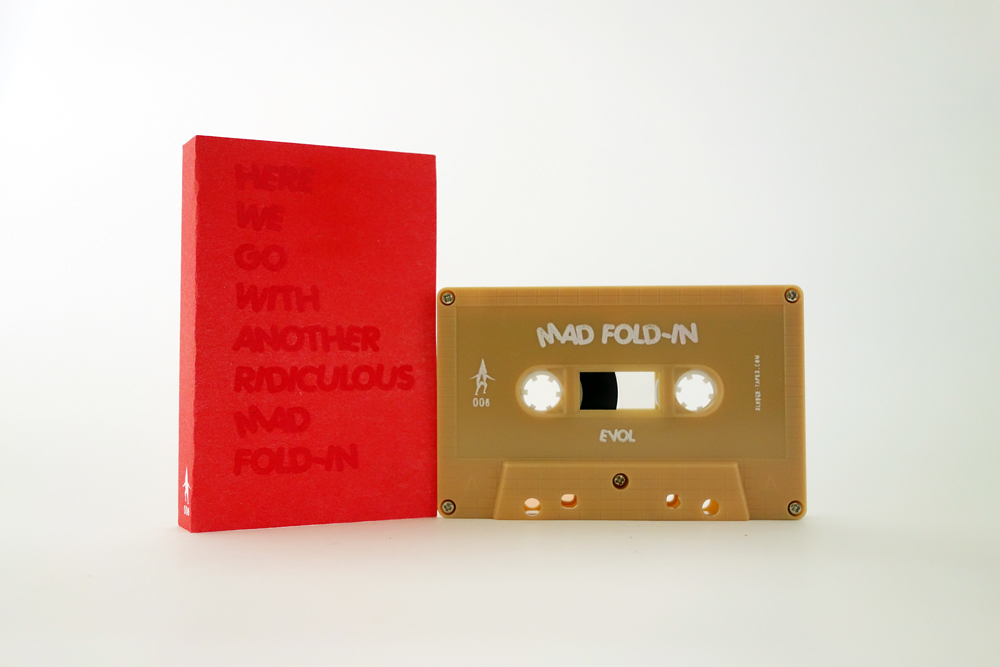
This release belongs to a micro-tradition within Japanese noise and drone circles: the anonymous, numbered cassette or digital file meant to exist without context. The cc suffix likely denotes "cassette clone"—a direct digital transfer from a master tape, as opposed to a later re-encoding or a studio mix. Collectors who have encountered physical copies of other sludge entries report that the original cassettes were plain white shells with a single rubber-stamped number on the J-card. No labels, no track lists. The series seems to have been produced by a single person or a rotating collective based in the Kansai region, though this is speculation drawn from the readme reference to an old cinema—many small venues and rehearsal spaces in Osaka and Kyoto occupy former movie theaters.
The audio itself is a single continuous piece. It begins with a low-frequency hum that could be the drone of a building's HVAC system, recorded at close range. After about four minutes, a metallic scraping sound enters—irregular, almost percussive. This is layered with what sounds like a small electric motor running at variable speed. There is no melody, no rhythm in the conventional sense. The piece evolves through subtle shifts in texture: the hum becomes more distorted around the twelve-minute mark, as if the recording chain is being overloaded, then recedes. At twenty-two minutes, a high-frequency oscillation appears, possibly feedback from a contact microphone placed on a vibrating surface. The final five minutes are dominated by a low rumbling that fades to silence.
Context Within the Sludge Series
The sludge naming convention has appeared across multiple file hosts and blog archives since the early 2000s. Each entry uses a three-digit number followed by a suffix: cass, cc, min, or 2. The numbering is not sequential in terms of chronology—sludge002 2 may have been uploaded after sludge005. The cc suffix appears only on entries that contain a direct tape transfer, as opposed to a mixdown or a live recording. Sludge006 cc is the sixth known entry with this suffix, though there may be others still buried in unindexed directories.
Unlike the more widely circulated sludge001.cc file, which has been discussed in the context of orphaned noise archives, sludge006 cc has remained obscure even within collector forums. The file surfaced on a Japanese blog that specialized in field recordings and lowercase electronics, but the post was deleted within a month. A single comment on the now-dead page read: "This is the sound of the projector room after the last screening." Whether this was a literal description or a poetic interpretation is unclear.
The series shares DNA with other cryptic filenames found in Japanese noise blogs—such as the product series that includes product 007 tesco suicide, a release that similarly resists categorization. Where product entries often feature abrupt cuts and manipulated samples, the sludge series favors long-form, unedited recordings of physical spaces. Sludge006 cc is a pure document of a place and time, with no post-processing evident.
The Practical Challenge of Cataloging
For collectors and archivists, sludge006 cc presents a problem: how do you file a release with no artist, no label, and no date? The common practice is to create a placeholder entry under "Various" or "Unknown" and attach the filename as the title. Some databases use the hash of the WAV file as a unique identifier. The problem is that files like this are often re-encoded or renamed when shared, losing the original checksum. The only reliable copy of sludge006 cc currently circulating is a FLAC conversion made by a collector in 2012, which has been re-uploaded to a private tracker. The original WAV is believed to exist on a hard drive that was part of a server seized by Japanese authorities in a 2010 copyright enforcement action—though that drive also contained legitimate independent releases, and its current location is unknown.
This fragility is characteristic of the DIY cassette culture that produced the sludge series. Cassettes were dubbed in small runs, often fewer than ten copies, and distributed by hand at live shows or through mail trades. Digital copies were uploaded to free hosts that have since shut down. The sludge files that survive do so because someone, somewhere, copied them to a personal archive and later shared them on a forum or tracker. The cc suffix may have been a private notation—"cassette copy"—used by the uploader to distinguish their digital transfer from the original tape.
What the Audio Reveals
Listening to sludge006 cc with critical attention reveals a recording that is both mundane and eerie. The hum at the start is not a pure sine wave; it has harmonics that suggest a large electrical transformer. The scraping sound could be a door hinge or a piece of metal dragged across concrete. The motor sound is likely a film projector running without film—the sprockets turning, the shutter cycling. If the readme is accurate, the recording was made in a basement that once housed projection equipment. The high-frequency oscillation at twenty-two minutes might be a ground loop or a failing capacitor in the recording device. These are not aesthetic choices; they are accidents captured by a microphone left running.
This is what separates sludge006 cc from composed drone or noise pieces. There is no intention behind the sounds beyond documentation. The artist—if that term applies—simply placed a recorder in a space and let it run. The result is a portrait of a room's acoustic signature, including its electrical and mechanical systems. It is closer to phonography than to music. Listeners who approach it expecting structure or development will be frustrated. Those who treat it as a field recording of an abandoned infrastructure will find it absorbing.
Relevance to Collectors and Musicians
For collectors of Japanese noise and experimental music, sludge006 cc represents a type of artifact that is increasingly rare: a completely anonymous, location-specific recording that carries no commercial intention. It is not a demo, not a statement, not a performance. It is a file that exists because someone wanted to preserve a sound. The fact that it was numbered and uploaded as part of a series suggests a systematic approach—perhaps a project to document every room in the old cinema before it was demolished.
Musicians working in drone and electroacoustic fields may find value in the recording's unprocessed quality. The hum at 44.1 kHz is a reminder that consumer recording devices have a noise floor that is part of the sound. The lack of editing means that the piece breathes at the pace of the building itself. It is a lesson in restraint: the most effective drone is sometimes the one you do not shape.
Those who have followed the sludge series from the beginning will recognize sludge006 cc as a missing link. Earlier entries like sludge005 cass featured more varied sound sources—including what sounded like a shortwave radio being tuned. Sludge006 cc strips that back to a single location and a single take. It is the purest statement in the series: a room, a recorder, thirty-one minutes. Nothing more.
How to Approach the File
If you encounter sludge006 cc in a download folder or a shared drive, resist the urge to tag it with genre labels. Do not assign an artist name based on speculation. Instead, listen to it in a single sitting, in a dark room, with headphones. Pay attention to the shifts in the hum—they are not random. The building is settling. The power grid is fluctuating. The microphone is heating up. These are the real events of the recording.
For archival purposes, preserve the original filename exactly as it appears. Do not rename it to something more descriptive. The cryptic nature of the sludge series is part of its identity. If you share it, include the readme text as a separate file. The single line—"recorded in the basement of the old cinema, July"—is the only context we have. It may be enough.