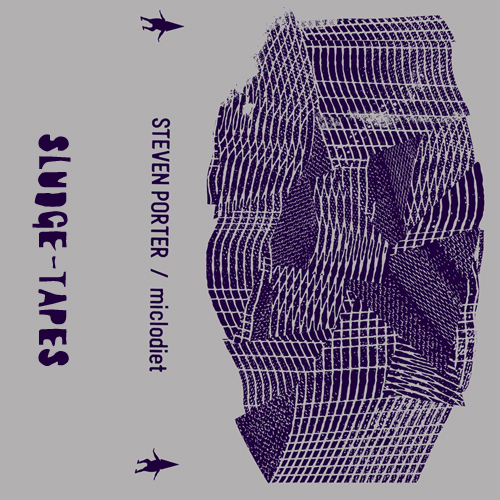
The sequence is deceptively simple: sludge001, sludge002, sludge003, sludge004, and then sludge005. A numbered run of five releases, each stripped of any artist credit, label logo, or contextual metadata. The sludge prefix appears on no known discography, no Bandcamp page, no database entry. It exists only as a folder name or a filename on a handful of hard drives, passed between collectors who trade in the most obscure corners of Japanese noise. This article dissects what sludge005 likely is, what it tells us about the culture that produced it, and why it matters to anyone trying to map the undocumented territory of underground Japanese sound.
What the Name Reveals
The naming pattern of the sludge series is consistent: a lowercase prefix followed by a three-digit number. No spaces, no punctuation, no artist identifier. This is not a label catalog number in the traditional sense—there is no imprint name, no contact information, no barcode. It resembles the naming convention used by anonymous netlabels or private CD-R burners who prioritize function over branding. The word sludge itself hints at a sonic aesthetic: thick, viscous, low-fidelity, possibly leaning toward drone or harsh noise with heavy low-end saturation. But without the actual audio, the name remains a signifier of intent rather than a description.
In the context of Japanese noise blogs, such cryptic filenames are common. They often originate from a single uploader who archives their personal collection under a systematic scheme. The sludge series may be the work of one individual—a collector who digitized a stash of anonymous cassettes and assigned them sequential numbers. Alternatively, it could be a self-released series by a musician or collective that chose to remain nameless. The lack of any authoring information is itself a statement: the sound is meant to be encountered without the filter of identity.
Format and Scarcity
Based on the pattern observed in similar anonymous releases, sludge005 was most likely distributed on cassette tape or CD-R in an edition of fewer than fifty copies. The packaging, if any existed, would have been minimal—a plain white sleeve, a hand-stamped label, or a photocopied insert. No liner notes, no tracklist, no credits. The scarcity is not accidental; it is a deliberate choice that aligns with the DIY ethos of the Japanese noise underground, where exclusivity and ephemerality are valued over mass distribution.
For a collector, acquiring sludge005 means relying on trades, private message boards, or the occasional blog post that surfaces a digital rip. The file itself—often a low-bitrate MP3 or a lossless FLAC—circulates without any metadata. The filename is the only identifier. This creates a unique challenge for archiving: without context, the release can easily be mistaken for a duplicate or mislabeled as something else. The blog’s previous analysis of Product Category Releases in Japanese Noise Blogs: Format, Scarcity, and Sound explores exactly this tension between preservation and anonymity.
Possible Sonic Content
While we cannot confirm the exact audio of sludge005, the series’ trajectory suggests a coherent sound world. The earlier entries in the sequence (assuming they are part of the same set) likely established a palette: heavily processed field recordings, amplifier feedback, tape loops, and contact microphone textures. sludge005 probably continues that exploration, perhaps with a shift in density or structure. It may be a single long-form piece or a collection of shorter tracks. The absence of track titles means the listener must engage with the sound on its own terms, without narrative cues.
The term sludge in Western noise contexts often refers to a subgenre of harsh noise that emphasizes low-frequency rumble and distortion. In Japanese underground music, the same word might be applied to drone-based works that use heavy reverb and tape saturation. Without hearing the release, we can only speculate—but the name itself is a useful pointer for anyone trying to categorize the work for their own collection.
The Role of the Anonymous Uploader
Whoever uploaded sludge005 to the internet chose not to attach their own name or any commentary. This is a common practice in the Japanese noise blogosphere, where the act of sharing is often more important than the identity of the sharer. The uploader might be a former participant in the scene, a collector who wants to give obscure works a second life, or simply a fan who finds meaning in the anonymity. The blog’s article on The Mystery of the 'Pouly' Tag in Japanese Noise Blogs discusses a similar phenomenon: a tag that appears across multiple unrelated releases, hinting at a hidden network of curators.
In the case of sludge005, the anonymity is absolute. There is no way to trace the uploader or the original artist. The release becomes a ghost—a sound that exists only as a digital trace, with no corporeal origin. This is both frustrating and liberating for the listener. Frustrating because the context is lost; liberating because the sound must be judged entirely on its own merits.
How to Identify a Genuine sludge005
Because the name sludge005 could be reused by different uploaders, collectors need to verify authenticity. The most reliable method is to check the file’s checksum (MD5 or SHA-1) against any known copies. If the release was originally shared on a forum or a blog, the original post may include a hash. Alternatively, the duration of the audio can serve as a fingerprint—if every copy of sludge005 is exactly 34:12, that is a strong indicator of a single source.
Another clue is the bitrate. Many anonymous Japanese noise rips were encoded at 128 kbps or lower to save space on early file-sharing platforms. A 320 kbps or lossless copy may be a later re-upload with altered metadata. The filename itself should be exactly sludge005.mp3 or sludge005.flac—no additional characters, no spaces. Any variation likely indicates a different release entirely.
The Broader Context of the sludge Series
The five known entries in the sludge series form a microcosm of a larger phenomenon: the unnamed, unnumbered, unlabeled release that nevertheless circulates with a consistent identity. These are not lost classics; they are functional objects that serve a specific purpose in the underground economy of sound. They are traded, studied, and sometimes forgotten. The series’ endpoint at sludge005 may be arbitrary—perhaps the uploader stopped at five, or perhaps later entries exist under a different naming scheme.
What matters is that sludge005 is not a single artifact but a node in a network. It connects to the same impulse that drives musicians to release cassettes with no information, that drives collectors to hoard files with no metadata, and that drives writers to try to make sense of it all. The blog’s earlier piece on The Mystery of 'Product 006 Evol' in Japanese Noise Underground examines a similar case—a numbered release that resists easy categorization. Together, these articles begin to map the invisible infrastructure of the Japanese noise underground.
Practical Tips for the Collector
- Do not rename the file. Preserve the original filename
sludge005to maintain its identity. Any change breaks the link to the source. - Keep a log of where you obtained it. Note the URL, the forum thread, or the person who shared it. This context may be the only way to verify authenticity later.
- Compare with other copies. If you encounter another sludge005 with a different duration or bitrate, treat it as a separate release until proven otherwise.
- Do not add tags. Resist the urge to add artist names or genre tags to the file. The anonymity is part of the work.
The Future of sludge005
As digital archives grow, releases like sludge005 become more vulnerable to loss. A hard drive failure, a deleted blog, a forgotten password—any of these can erase the only known copy. The best defense is redundancy: share the file with trusted collectors, upload it to multiple archival platforms (without metadata), and encourage others to do the same. The release does not need to be famous; it only needs to survive.
The next time you encounter a folder labeled sludge005, treat it with the same respect you would give a rare vinyl pressing. Its value is not monetary but informational—it is a piece of a puzzle that may never be fully assembled. Listen to it, pass it on, and leave it nameless.