
A twenty-minute noise set and a forty-minute ambient performance ask different things of a room. The first may need a fast changeover and control of sudden peaks. The second may need low ventilation noise, a quiet audience and enough time for a long decay to be heard. At a DIY music festival in Japan, these are not minor production details. They determine what reaches the listener.
“Festival” might mean a multi-day event or a small, self-organized bill bringing several independent scenes into one venue. Size matters less here than coordination: multiple acts sharing equipment and labor, listeners moving between different kinds of performance, and someone trying to make the day hold together. The room might be a live house, gallery, rehearsal studio or community space, provided it can host the event. Independence does not remove rental costs, safety duties or the need to deal with neighbors.
What the festival format makes possible
A single concert can give a performer an audience already inclined to listen. A small festival can place less familiar practices side by side: an electroacoustic set before improvised percussion, a table of short-run tapes beside a field-recording playback room, or a drone performance that changes how the next noise set lands. These pairings work when the organizer thinks about what each act needs, rather than treating “experimental” as one sound.
For scenes with small audiences, that proximity has practical value. Musicians hear one another, arrange future shows and compare notes on recording, repairs or distribution. Listeners find artists they might never have searched for by name. It does not follow that everyone agrees: volume, documentation and money can all become points of friction.
There is no single Japanese template for such a gathering. A dense city offers different options from a smaller town where finding a suitable room may take more work. A live house might supply staff and sound equipment but require a tight schedule or a particular ticket arrangement. An alternative space may be more flexible, while leaving every technical problem to the organizers. “DIY” describes who takes responsibility, not how rough or polished the event looks.
Curating sound instead of assembling a genre list
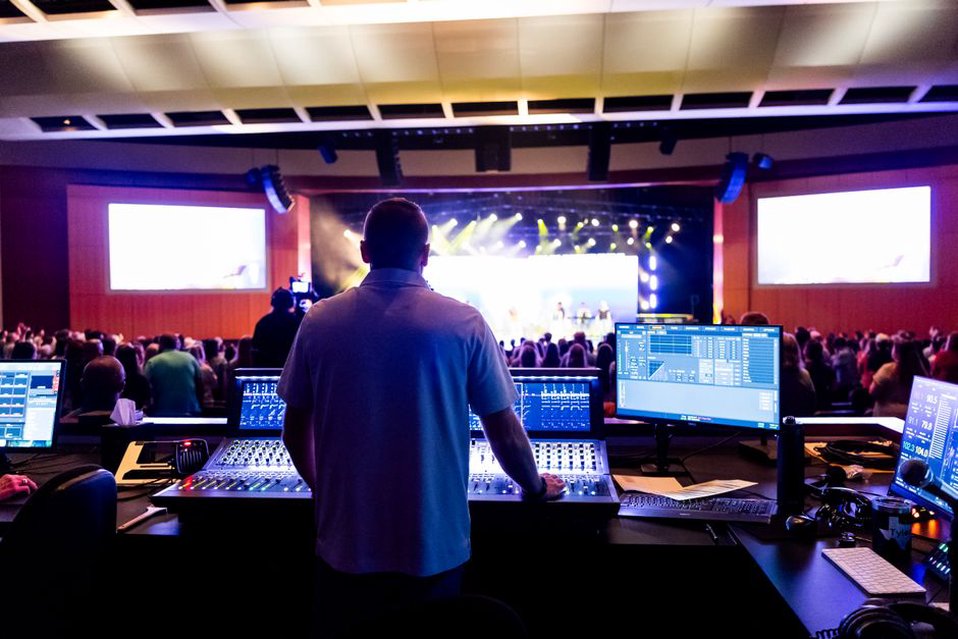
A lineup has to be paced around attention as well as setup time. Four acts using the same stereo input may be simple to schedule but wear on the ear. Four acts needing different speaker positions, microphones and projection systems could make for a more varied bill, then swallow the day in changeovers. The contrast is only worthwhile if the crew can run it reliably.
Different sounds, different room requirements
- Noise: peaks, feedback and dense frequency ranges call for reliable level control and hearing protection. Loudness alone does not create impact; an overloaded system can blur the distinctions within a set.
- Ambient and drone: conversation, bar service or a rattling air conditioner can bury low-level detail and sustained tones. Seating and a defined quiet interval may do more than elaborate lighting.
- Electroacoustic work: confirm playback formats, channel counts and how live action relates to recorded sound before the event. A stereo reduction may be possible, but it is not automatically the same piece.
- Field recordings: listeners need some context as well as intelligible playback. A program can explain how a recording was made without using the people and places it contains as decorative atmosphere.
These are planning distinctions, not genre rules. Ambient can be loud; noise can hinge on tiny fluctuations. An artist’s technical rider, a direct conversation and a soundcheck tell an organizer more than a genre label will.
Transitions change the listening, too. If a drone set ends and the next performer immediately tests a harsh signal through the PA, the final decay disappears. A few minutes of deliberate silence can belong in the running order. But a long reset in a crowded standing room has its own cost. Decide what each pause is for, and who will keep it to time.
The infrastructure behind an independent bill
Borrowed gear and volunteer labor are common, but neither is limitless. A borrowed mixer needs an operator; a shared amplifier needs a safe place in the signal chain. Written details spare everyone from having to answer the same questions mid-changeover.
A short advance sheet for each act can cover:
- Set length and the time needed to set up and clear the stage.
- Inputs, outputs, adapters, microphones, DI boxes and power requirements.
- Speakers, amplifiers, computers or playback devices the artist will bring.
- Any need for darkness, projection, seats or an unusually quiet room.
- Permission, or refusal, for recording, photography and live streaming.
One organizer should compare those sheets with the venue’s actual equipment. Cable labels, a printed running order and a marked spot for cases sound mundane until they give a performer time to focus on the set. With two rooms, someone also has to manage audience movement. If simultaneous performances bleed into each other, the overlap should be intentional—not a discovery made during the first set.
Costs, payment and access
Rent and a poster are only part of the budget. Sound staff, equipment transport, travel, accommodation where needed, printing, ticket handling and a possible shortfall at the door all affect what an organizer can promise. If pay depends on ticket sales, tell artists beforehand how the split works and which shared costs come out first. Calling labor “community” does not make it free.
Access starts with a useful listing: start and end times, seating, the likely intensity of loud sets, any age or venue restrictions, and whether re-entry is allowed. Describe step-free access accurately instead of relying on a venue’s general description. For visitors who do not read Japanese, a brief bilingual schedule covering the address, entry procedure and set times can answer the most pressing questions, even when full translation is beyond the event’s resources.
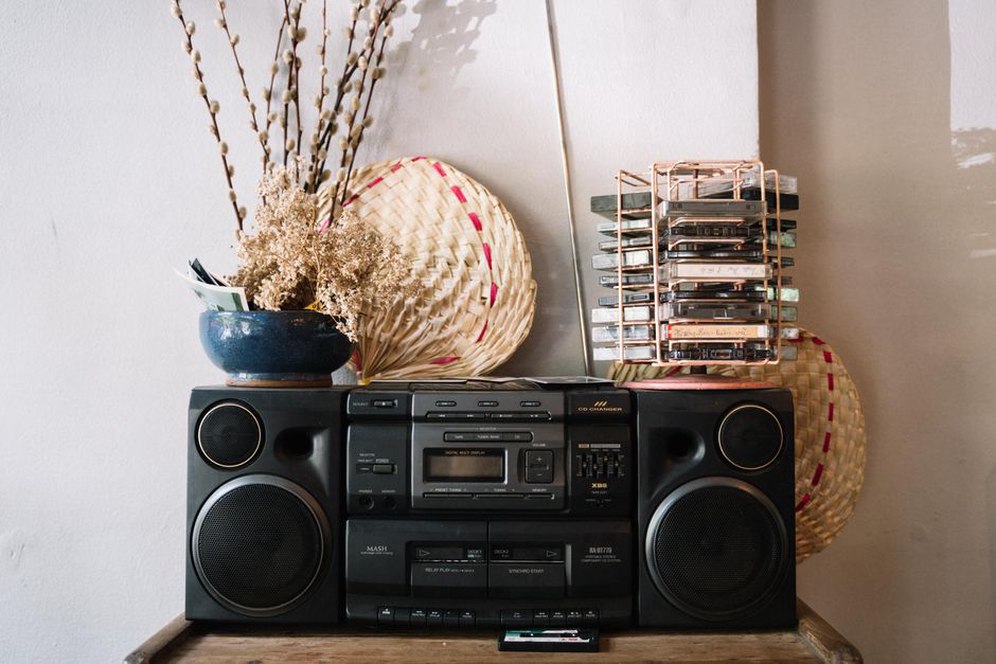
The cassette table is part of the event
At an underground festival, a merchandise table doubles as a small distribution network. Cassettes, zines, printed scores and self-released recordings let listeners follow an artist whose next local show is uncertain. Physical media are not inherently more authentic. Selling or trading them in person simply opens up conversations about how recordings were made, duplicated and passed along.
Give the table enough light and a clear price list. Agree on who handles sales while artists perform; if people rotate through the shift, each should know whose items are whose and how to record the proceeds. A simple inventory keeps an informal exchange from becoming a late-night accounting dispute. For a closer look at one format’s material methods, see Cassette Loops in Japanese Experimental Music: Material, Method, and Memory.
An archive can be useful, but documentation needs limits. A room-mic recording may not represent an electroacoustic piece well, and filming an audience without notice can be inappropriate. Ask each performer what may be captured and published, then consider identifiable audience members separately. With location-based audio, consent and context reach beyond the stage; Field Recording in Japan: Listening, Ethics, and Archive Practice takes up those questions.
Finding a gathering without treating it as a spectacle
Independent festivals may announce themselves late, and English descriptions are not always consistent. Before going, look for a full bill, venue address, entry details and an organizer or venue contact rather than trusting a reposted flyer alone. Check whether admission is reserved, paid at the door or accompanied by a venue drink charge. If something is unclear, send a short, specific question instead of assuming it works like a larger commercial festival.
Once inside, take your cue from the space. In a gallery set up for seated listening, conversation may belong outside during performances; a live house may have a separate bar area. Bring hearing protection for high-volume work, and consider where you stand: both sound pressure and tonal balance shift across a small room. Keep drinks away from performers’ equipment and ask before taking photographs. Fragile setups and short changeovers leave little room for accidents.
A mixed bill does not demand that you like every set. Listen for what each performer makes of the same room: which frequencies reach the back, whether a recorded environment remains legible, how audience movement changes a quiet passage. A revealing moment may come between sets, as one artist takes down their cables and the next finds out what the shared equipment can actually do.
Where DIY independence meets its limits
Small scale can make room for risk, but it can conceal uneven workloads. When the same few people book, promote, carry equipment, staff the door and clean up, a well-attended event may still be hard to repeat. Assign jobs clearly, cap the bill at a manageable size and leave time for a post-event account. Room permissions, appropriate sound levels, safe electrical distribution and a late-night route home for attendees also need attention. Independence is no exemption.
After load-out, keep the final input list. Mark the adapters nobody had, the changeovers that ran long and the point where the room needed a quieter interval. Compare those notes with what performers were promised and what listeners were told to expect. That record will say more about whether the gathering can happen again than a photograph of the stage.