
A duplicated cassette, a hand-drawn flyer in a record shop, a late-night bill arranged through direct messages, or one performer lending an unfamiliar instrument to another: these are often the practical beginnings of a scene. In Japanese experimental music, DIY has meant creating ways for work to circulate when conventional music infrastructure has little use for it.
This is not a unified network or a single aesthetic. Noise, electroacoustic composition, improvised sound, drone, field-recording work, and small-scale ambient practices may share resources while differing sharply in method and audience. DIY is best understood in material terms rather than romantic ones: people retain enough control over production, presentation, documentation, and exchange to keep working on their own terms.
DIY as infrastructure, not merely self-release
Self-releasing a recording is only one part of the work. A lasting scene relies on repeated practical tasks: finding sympathetic spaces, handling door money transparently, maintaining basic sound equipment, making event information clear, documenting credits, and introducing people whose practices might productively collide. The same small group of musicians, listeners, organizers, designers, and label operators often takes on all of this.
Japan’s experimental music history includes formal institutions, commercial record companies, art spaces, universities, and established clubs. Independent activity has repeatedly filled the gaps between them. Small labels and self-organized events can support music that conventional genre categories struggle to sell: a thirty-minute tape-loop study, a low-volume performance built around contact microphones, or a release centered on carefully edited environmental recordings.
DIY is neither free nor without consequences. Rent, travel, mastering, duplication, postage, accessibility, and equipment repair all require money and labor. When volunteer work is treated as invisible, the people sustaining a series burn out. Projects tend to last longer when their limits are stated plainly: a modest fee structure, a realistic capacity, defined responsibilities for collaborators, and no expectation that artists will subsidize every event themselves.
How small scenes create continuity
Regularity matters more than scale
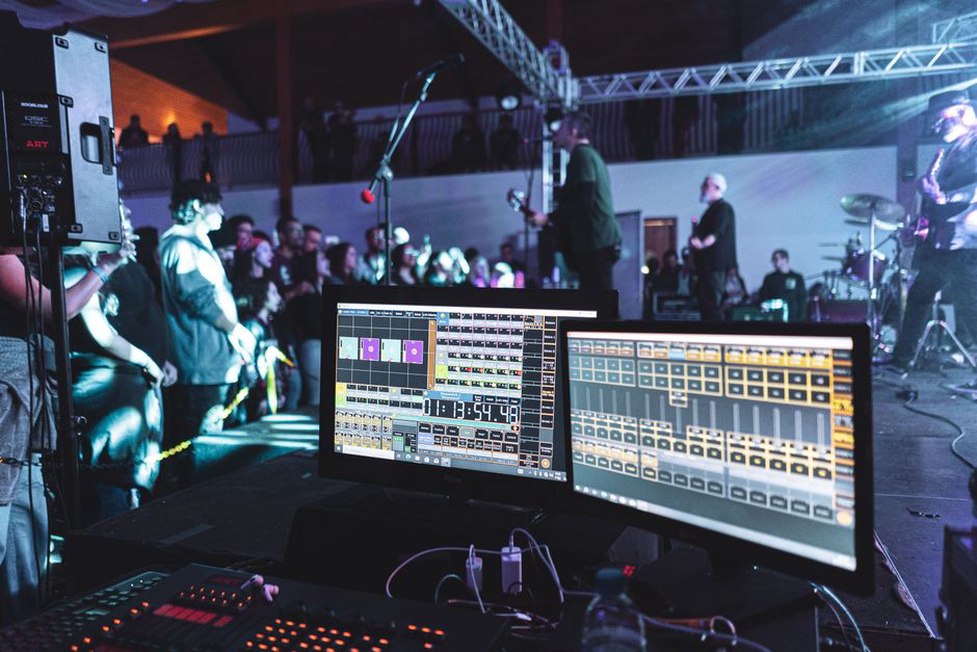
A monthly or quarterly event can matter more than a single ambitious festival because it gives listeners time to build trust. Regular programming creates habits: people know where to find information, performers understand the technical conditions they can expect, and organizers can make adjustments after each night. It also gives a bill room to take risks. An audience familiar with a space and its programming may be willing to hear an unfamiliar electroacoustic set.
Programming is not simply collecting names. A good bill considers duration, volume, setup time, acoustics, and contrast. A dense harsh-noise performance followed by a near-silent field-recording set can work, but only if the audience has time to reset and the system is adjusted for quieter material. Set order can make subtle sound audible or bury it completely.
Documentation is part of the work
DIY scenes are often remembered through incomplete evidence: flyers without dates, files with cryptic names, discs without full credits, and social-media announcements that vanish. That fragility will be familiar to anyone tracing unidentified material in Japanese underground archives, such as the investigation of the file titled “wasted 5 web”. Documentation does not have to turn every gathering into a promotional campaign. It can mean preserving the date, venue, lineup, equipment notes, recording credits, and permission status for photographs or audio.
For labels and artists, basic metadata is an act of care. Include:
- artist and project names, including romanization where relevant;
- recording date and location when disclosure is appropriate;
- instruments, software, objects, or source materials;
- mixing, mastering, artwork, and duplication credits;
- edition details without unverifiable scarcity claims;
- a contact address or stable account for corrections and reissues.
Such details help collectors, researchers, and future collaborators distinguish a deliberately anonymous work from a recording whose context has simply been lost.
Formats shape social relationships
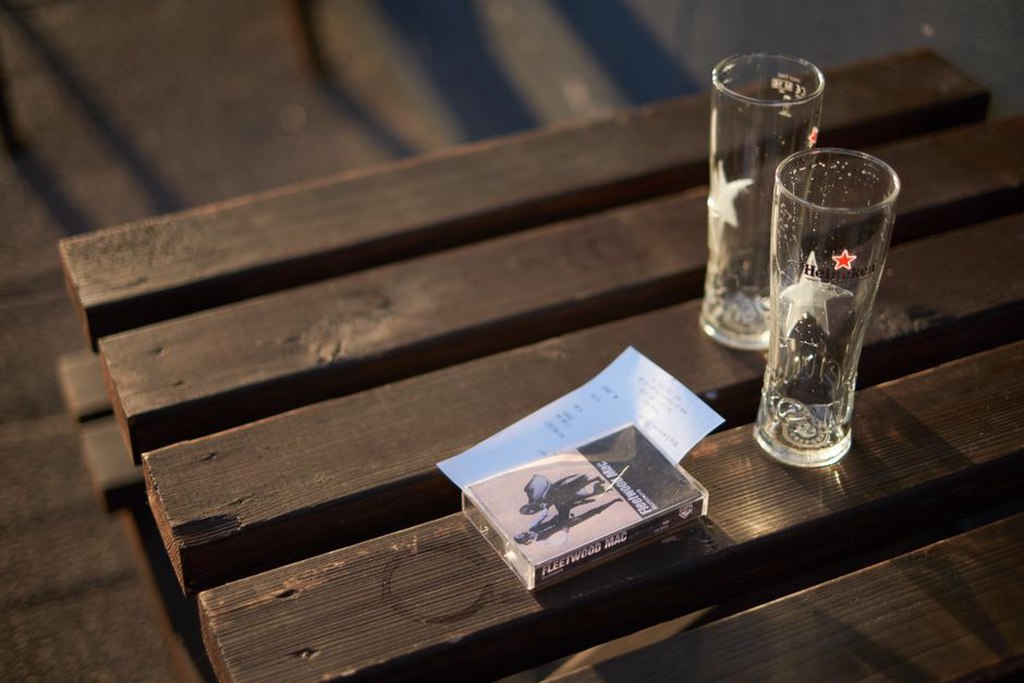
Cassettes remain useful not because they are inherently more authentic than digital files, but because their limits suit small operations. They can be duplicated in modest quantities, handed over after a performance, and paired with inserts, annotations, and visual work. Tapes fail, decks vary, and international shipping can be costly. A digital counterpart makes listening possible for people who cannot attend an event or find a physical copy.
Choose physical formats for the music, not as an automatic badge of underground status. A quiet work with wide dynamic range may need careful duplication and clear playback guidance. A field-recording release may benefit from a booklet that explains recording ethics and locations in broad terms, especially if exact sites could expose private residents or vulnerable habitats. Harsh live-electronics material may be better represented by a recording that acknowledges itself as a separate studio document rather than a substitute for performance.
Building access without flattening differences
Small experimental events can become exclusionary by accident. Unclear start times, inaccessible entrances, prolonged standing, extreme volume, and insider-heavy communication all narrow who can take part. Accessibility is not a generic add-on; it affects programming and production. Organizers can publish set times, say whether seating is available, identify stairs or narrow entrances, provide earplugs, and let attendees know if flashing lights, smoke, or sustained high volume are likely.
Volume deserves particular attention in noise and drone settings. Earplugs should be ordinary equipment, not evidence of insufficient commitment. Musicians can agree on soundcheck boundaries, while organizers can schedule quieter listening sets, breaks, and spaces where people can step away. These measures protect audiences and make events more welcoming to listeners interested in experimental sound but unfamiliar with its social codes.
Exchange should be reciprocal
Inviting overseas artists, touring between cities, or collaborating across disciplines can broaden a local network, but exchange is not automatically equitable. Hosts should discuss travel, accommodation, performance fees, equipment needs, and recording permissions before public announcements. Visiting artists should not be treated as exotic proof of a scene’s relevance, and local performers should not be expected to serve as unpaid support for every guest. Clear agreements preserve trust better than informal assumptions.
The same applies to recordings of live sets. Ask before uploading, specify whether an archive is public or private, and credit everyone whose sound or labor appears in the document. A compelling one-off improvisation may matter precisely because its participants do not want it permanently circulated.
A workable first event
A small organizer can begin with a narrow, manageable format: two or three sets, a space with known acoustics, and enough time for setup. Confirm practical details in writing: arrival time, set length, payment arrangement, backline, projected volume, and whether each artist permits recording. Prepare a simple run sheet for the door, soundcheck, transitions, and closing time. Afterwards, keep one folder with the final flyer, lineup, attendance estimate, income and expenses, and corrected artist credits.
That folder may seem mundane beside the music, yet it keeps a future event from becoming another orphaned trace. It gives the next organizer something concrete to work with: which room worked, what cables were missing, whose set required darkness, and which performer asked that no recording be uploaded.