
The Unique Soundscape of Japanese Noise Festivals
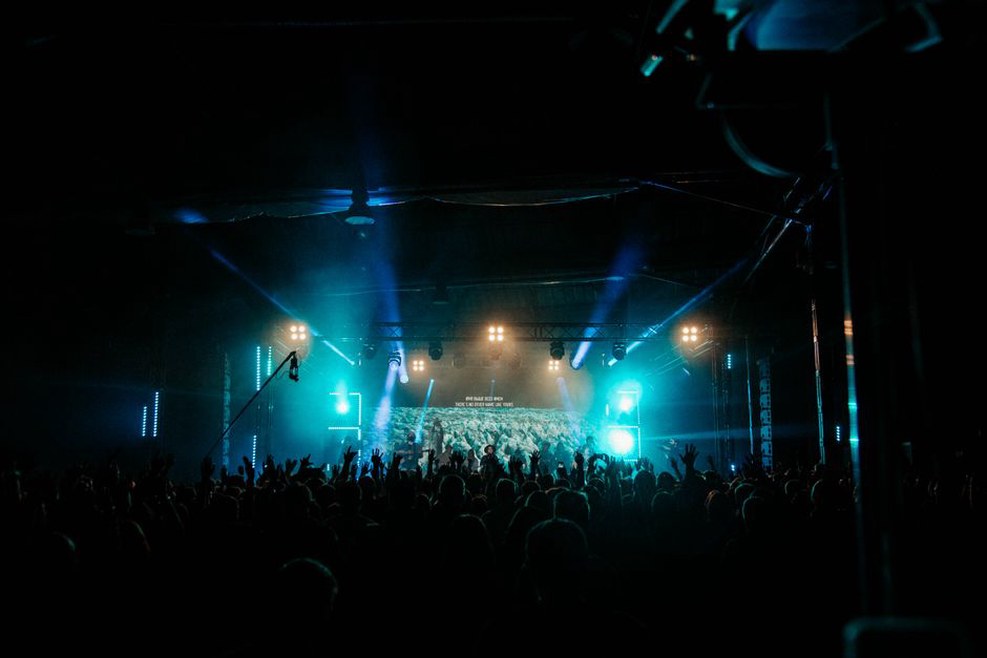
Japanese noise festivals are a cornerstone of the experimental music scene, where sound, art, and community come together in a unique cultural expression. These events offer artists a platform to challenge musical norms, delving into noise, ambient, drone, and electroacoustic music. They attract musicians, collectors, and listeners who appreciate the avant-garde.
The Origins and Evolution of Noise Festivals
Emerging in the 1980s, Japanese noise festivals grew from the underground music scene, heavily influenced by global punk and DIY movements. These festivals became a haven for artists with unconventional musical ideas. Over time, they have evolved to include a variety of performances, installations, and collaborations that continue to redefine musical boundaries.
A key aspect of these festivals is the sense of community they foster among attendees. Fans of independent and experimental music from around the world gather to witness performances that often defy categorization. The festivals also highlight the ingenuity of artists who use DIY instruments and unconventional sound sources, such as field recordings and found objects.
Key Elements of Japanese Noise Festivals
- Diverse Lineups: Featuring both established and emerging artists, these festivals promise an unpredictable experience for attendees.
- DIY Ethos: Many artists create their own instruments and experiment with various sound technologies, embracing the DIY culture.
- Collaborative Spirit: These events often lead to unique performances and new works created on the spot through artist collaborations.
- Multi-sensory Experiences: Incorporating visual art, light installations, and performance art, these festivals offer an immersive experience.
The Role of Cassette Labels and DIY Culture
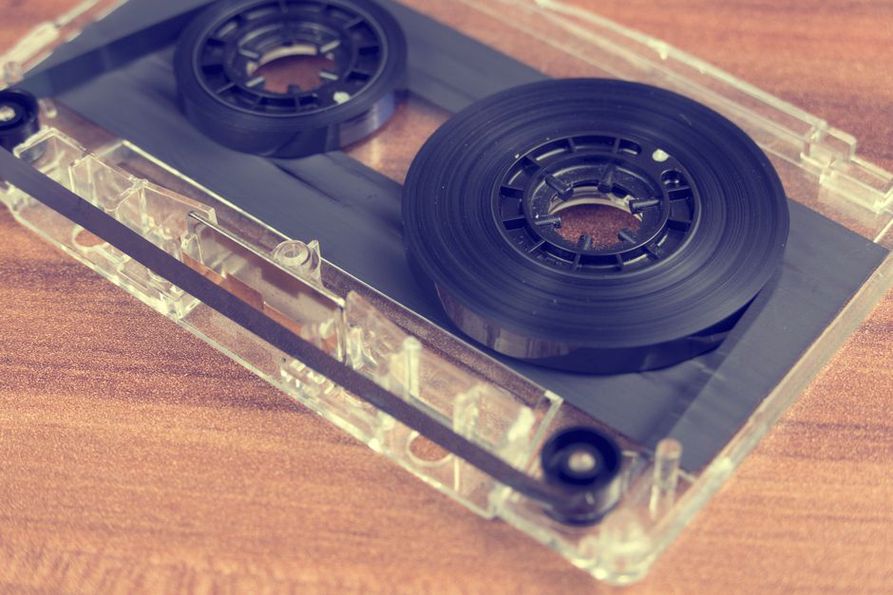
Cassette labels are vital in spreading experimental music in Japan, often releasing limited-run cassettes that capture live performances at noise festivals. The cassette format is valued for its tactile quality and intimate listening experience. It aligns with the DIY ethos prevalent in the noise scene, encouraging artists to manage their distribution and artistic vision.
DIY culture influences more than just music production and distribution; it shapes the entire festival experience. From makeshift stages to self-published zines, every aspect reflects a commitment to independence and creativity. This approach not only democratizes music production but also builds a close-knit community of artists and fans dedicated to the noise scene's survival and evolution.
Notable Festivals and Their Impact
Although many Japanese noise festivals are small and localized, their impact on the global experimental music scene is substantial. Events like the annual Tokyo Noise Festival and Endless Summer Noise draw international attention, attracting artists and audiences from around the world. These festivals showcase Japanese talent and provide a platform for international artists, encouraging cross-cultural collaborations.
Beyond live performances, these festivals often include workshops and panels exploring the technical and philosophical aspects of noise music. This educational component enriches the festival experience, offering attendees a deeper understanding of the art form and the creative processes involved.
For a look into the enigmatic side of Japanese noise culture, our article on The Orphan File 'waseted 9' offers insights into the mysterious history of noise archives and the preservation of this ephemeral art form.
The Future of Noise Festivals in Japan
As interest in experimental music grows worldwide, Japanese noise festivals are set to play an increasingly important role in shaping the genre's future. These events provide a rare chance to experience innovative sound art in an environment that encourages exploration and creativity.
With their dedication to expanding the possibilities of music, Japanese noise festivals continue to be a beacon for artists and listeners seeking new sonic adventures. As long as there are artists willing to experiment and audiences eager to listen, these festivals will thrive, celebrating the unexpected.