
Japanese noise music, often dismissed as mere cacophony, actually embodies a fascinating blend of chaos and harmony. Emerging from the 1980s underground scene, this genre has developed into a rich array of sonic experiences. While it might initially sound like a barrage of random noises, a deeper dive reveals a sophisticated structure, both in its composition and the way it is shared.
The Foundation of Chaos
In its early days, Japanese noise music sought to dismantle traditional musical forms. Pioneers like Merzbow and Hijokaidan used distortion, feedback, and unconventional sound sources to craft soundscapes that defy conventional norms. The apparent chaos serves a purpose, urging listeners to discover patterns and structures within the disorder.
Chaos becomes a structural element through intentional techniques. Artists use methods like cut-up, layering, and looping to construct compositions that, while seemingly chaotic, are carefully designed.
Layering and Textural Complexity
Layering plays a crucial role in Japanese noise. By overlaying multiple sound sources, artists create intricate textures. This complexity encourages listeners to explore different layers, uncovering the hidden order within the chaos. Each listening experience can reveal new details, as the interaction of layers offers an ever-evolving auditory journey.
- Feedback Loops: Essential in noise music, feedback loops produce a continuous, self-sustaining sound that often forms the core of compositions.
- Field Recordings: Using environmental sounds adds depth and context, anchoring the abstract noise in reality.
- Distortion and Modulation: These effects alter sounds, introducing unpredictability while maintaining control over the sonic output.
Harmony Through Repetition
Despite its association with dissonance, noise music finds harmony through repetition and familiar patterns. Repetition bridges chaos and order, providing listeners with points of reference within the music. This approach is evident in the works of artists like Masonna, who use repetitive structures to create a hypnotic effect.
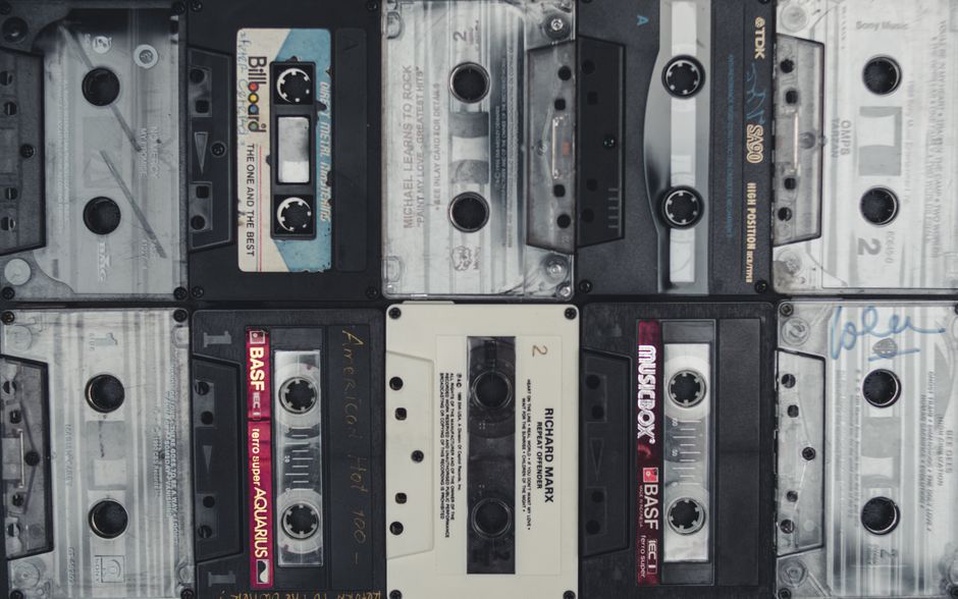
Repetition is also present in the distribution methods of Japanese noise music. The cassette culture, a key aspect of the genre, illustrates this through the repetitive process of dubbing and exchanging tapes. This not only spreads the music but also fosters a community around shared listening experiences.
The Role of Distribution
The physical format of noise music often shapes its structure. Cassettes and limited-run vinyl pressings are common, both imposing time constraints that influence composition. These formats require careful consideration of track length and sequencing, further organizing the seemingly chaotic sounds.
The distribution networks themselves add to the genre's structure. As explored in “An Orphan Image in the Noise Archive,” the archival and sharing practices within the community ensure continuity and preservation, allowing noise music to evolve while honoring its roots.
DIY Ethics and Structural Innovation
DIY culture is central to Japanese noise music, influencing its structure both sonically and practically. The ethos of self-production and experimentation leads to innovative uses of technology and resources. Artists often create or modify their own instruments, generating unique sounds that contribute to the genre's diversity.
This innovation extends to live performances, where the interaction between artist and audience becomes part of the music's structure. Performances are often unpredictable, with artists responding to the environment and audience in real-time, further blurring the lines between chaos and harmony.

The evolution of Japanese noise music continues to challenge and redefine musical structure. Its blend of chaos and harmony, shaped by intention, repetition, and community practices, offers a unique perspective on this enigmatic genre. The structural elements in Japanese noise not only provide a framework for the music but also highlight the creativity and resilience of its artists and listeners.