The Intersection of Technology and Noise
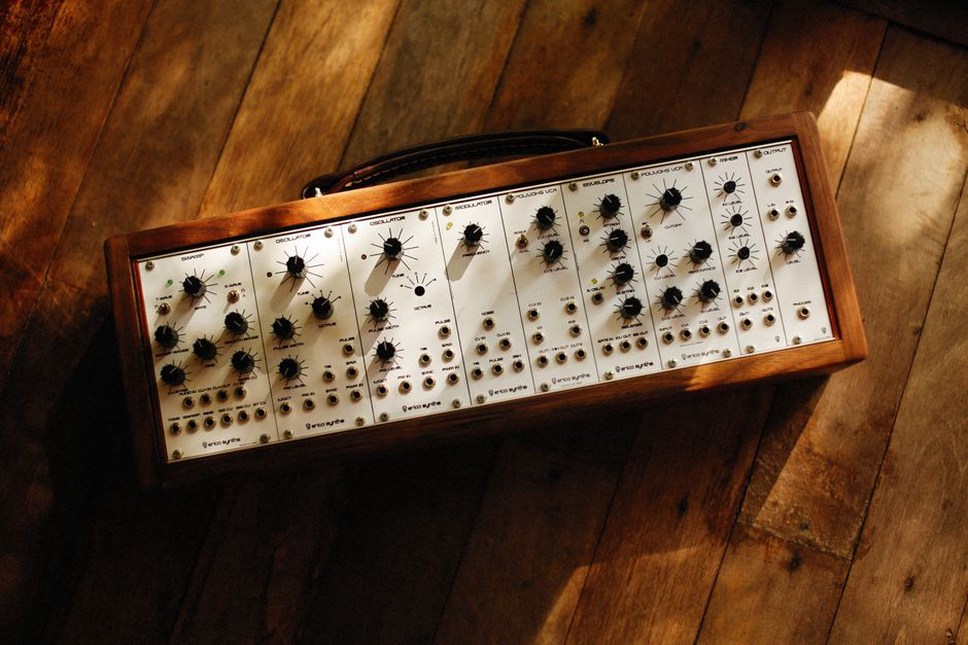
Japanese noise music is a bold exploration of sound, deeply influenced by technological progress. This genre has thrived at the crossroads of analog and digital innovation, allowing artists to redefine what we hear. Early pioneers like Merzbow and Hijokaidan embraced analog equipment, creating intense soundscapes with feedback loops and distortion pedals. The raw energy and unpredictability of these tools became a hallmark of the genre.
Transition to Digital Platforms
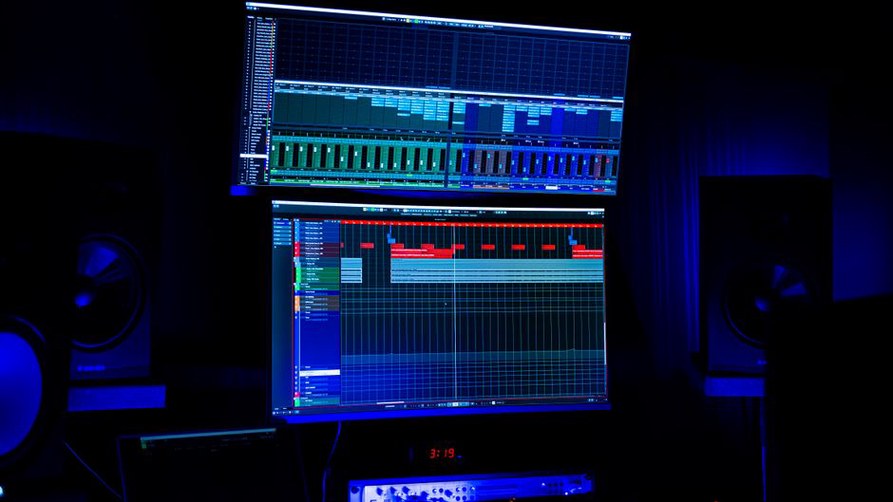
Digital technology brought a significant shift in noise music's evolution. Software-based tools offered artists unprecedented control over sound textures and dynamics. Digital audio workstations like Ableton Live and Pro Tools became vital for crafting complex compositions, providing precision beyond analog capabilities. This shift enabled the seamless integration of field recordings and electroacoustic elements, broadening the sonic possibilities for artists.
Otomo Yoshihide exemplifies this digital influence. His experimental approach, enriched by sampling techniques and real-time processing, creates immersive experiences that challenge traditional listening habits.
DIY Culture and Cassette Labels
Despite digital advancements, the DIY ethos remains central to Japanese noise music. Cassette labels thrive, offering a tactile connection to sound often missing in digital formats. These labels preserve the raw, unpolished essence of noise music, embodying its spirit of experimentation and accessibility. The physicality of cassettes, with their inherent imperfections, resonates with the genre's foundational principles.
Our article Tesco 4: The Photocopied Catalogue That Mapped Japan's Noise Underground delves into how cassette labels and DIY networks have been crucial in nurturing the Japanese noise scene, providing platforms for emerging artists and fostering international collaboration.
The Role of Internet and File Sharing
The internet has transformed how noise music is accessed and shared. Online platforms and file-sharing networks have removed geographical barriers, enabling artists to reach global audiences and collaborate internationally. This digital connectivity has led to a flourishing of noise music communities, where enthusiasts exchange ideas and resources, enriching the genre.
However, this digital world also brings challenges. The sheer volume of online content can dilute the impact of individual works, and issues related to intellectual property and file naming conventions complicate archiving. As explored in The Ghost in the Filename: Decoding tumblr lynocv3xkr1roab4qo1 1280.jpg, understanding these digital artifacts is crucial for preserving the legacy of Japanese noise music.
Technology as a Catalyst for Innovation
Technology has not only driven the evolution of noise music but also sparked innovation. Artists are experimenting with emerging technologies, integrating elements like artificial intelligence and virtual reality into their work. These advancements open new paths for sonic exploration, allowing noise music to break traditional boundaries and explore new territories.
As technology continues to advance, its impact on Japanese noise music will persist, shaping the genre's future and redefining what is possible in the world of sound.