
The Roots of Japanese Tape Labels
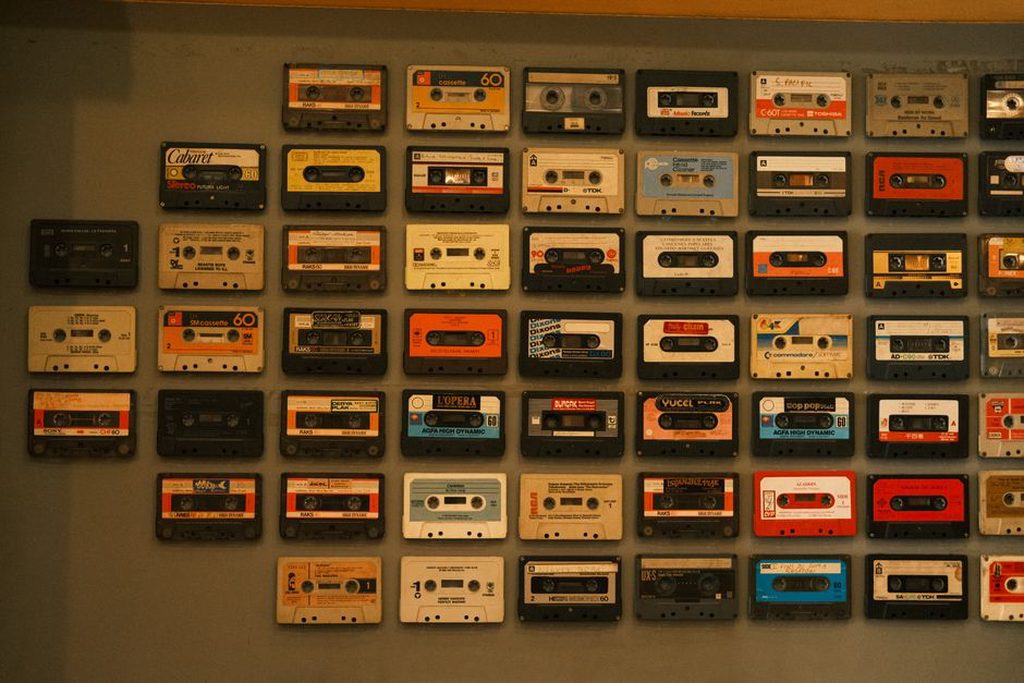
In the late 1970s, Japanese tape labels began to carve out a unique space in the country's music scene, particularly within experimental and noise genres. These labels emerged as a solution for artists seeking alternative distribution methods, bypassing mainstream commercial channels. The cassette format was ideal for this underground movement, offering an affordable and portable medium that was easy to produce.
DIY Philosophy and Production
The do-it-yourself ethos is at the heart of Japanese experimental music culture, with tape labels embodying this spirit. Artists and label founders often take on the entire production process themselves, from recording and mastering to packaging and distribution. This approach not only cuts costs but also allows for a high degree of creative freedom, resulting in releases that are often unique and handmade. The Mystery of sludge008.cu: A Dead Format in Japanese Noise Archives examines how these formats continue to captivate collectors and researchers.
Influence on Genres and Communities
Japanese tape labels have significantly influenced genres such as noise, ambient, and drone music. They served as platforms for artists more interested in exploring musical boundaries than achieving commercial success. Communities grew around these labels, often facilitated through mail exchanges and zines, promoting collaboration and innovation. The Enigmatic sludgelogo 006: Visual Identity in Anonymous Japanese Noise explores how visual aesthetics became a key part of these labels’ identities.
Challenges and Adaptations
Despite their achievements, tape labels have faced challenges like limited reach and financial constraints. The rise of digital music formats and online distribution posed further threats. Nevertheless, many labels have adapted by utilizing the internet to broaden their audience while preserving the essence of physical releases. Reading the Coordinates: What wasted 011ura Tells Us About Japanese Noise Cassettes highlights the enduring appeal of physical media in noise music culture.
- Limited Production Runs: Operating with small batch productions, many tape labels create releases that become highly coveted by collectors.
- Collaborations: Cross-genre collaborations are frequent, with artists often exchanging roles as producers or remixers.
- Handcrafted Packaging: The packaging is a significant aspect, with many releases featuring distinctive, hand-drawn or collaged covers.
Legacy and Future Prospects
Today, Japanese tape labels continue to thrive in niche markets, appealing to those nostalgic for tangible music experiences. As digital formats dominate, the tactile nature of cassettes offers a physical connection to music. The Ghost in the Archive: Steven Porter and the Noise That Survived discusses the lasting impact of these formats on preserving experimental noise archives.
While challenges remain, the enthusiasm driving these labels is as strong as ever. New generations of artists and listeners are discovering the charm of tapes, keeping this medium alive within Japan's DIY culture. As technology evolves, these labels will likely find innovative ways to blend old and new, continuing their journey in the experimental music scene.