
Japanese noise music is a genre that thrives on the unexpected, using field recordings to blend the natural world with human-made chaos. Unlike conventional music that often leans on melody and rhythm, noise music captures raw, unfiltered sounds from the environment, turning them into a unique auditory experience. This method not only challenges traditional musical frameworks but also offers a genuine reflection of Japan's urban and rural settings.
The Art of Field Recording
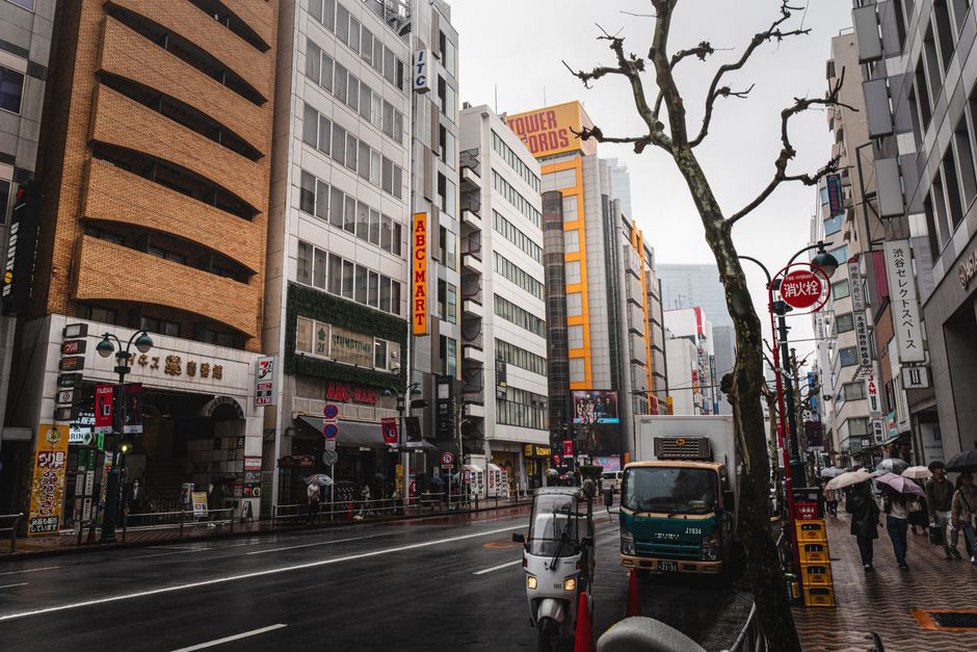
Field recordings in noise music involve capturing ambient sounds in their natural surroundings with minimal interference. This technique provides authenticity, allowing listeners to experience the soundscape as it truly exists. Japan, with its diverse sonic environments ranging from bustling cities to peaceful countryside, offers artists a wealth of sounds to explore.
Prominent Japanese noise musicians like Masami Akita, known as Merzbow, incorporate field recordings to imbue their work with a sense of place and context. These recordings often include industrial sounds, urban noise, and the calming presence of nature, all interwoven to craft a complex auditory experience.
Techniques and Equipment
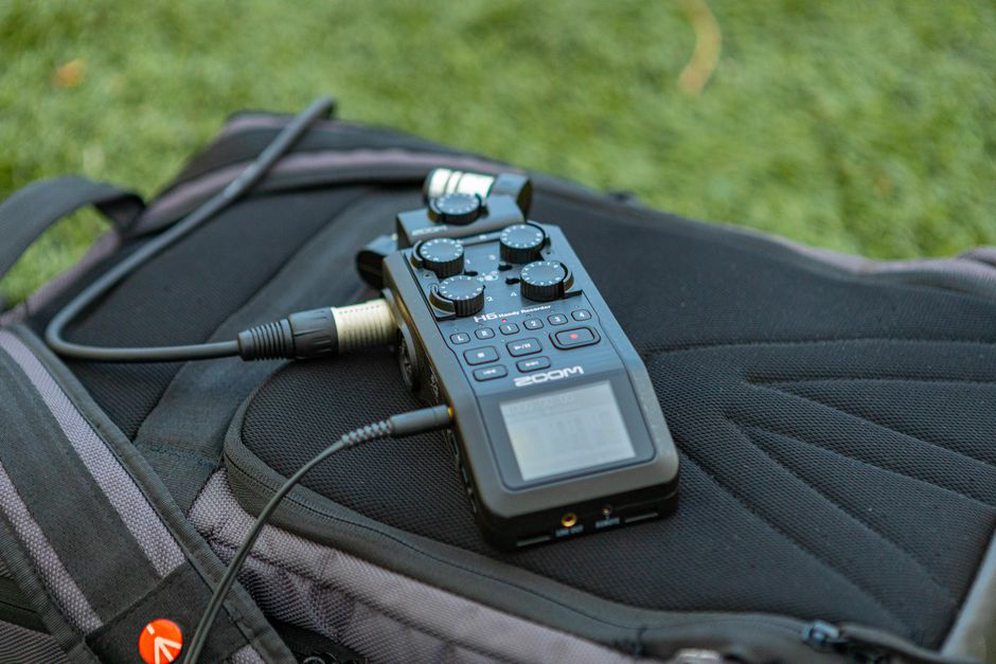
Capturing field recordings requires specific equipment and techniques. Portable recorders such as the Zoom H4n or Tascam DR-40 are popular for their ability to capture high-quality audio in various environments. These devices typically feature built-in microphones and allow for the connection of external microphones for more precise recording.
- Microphones: Directional microphones are favored for isolating specific sounds, while omnidirectional microphones capture a wider range of ambient noise.
- Windshields: Crucial for outdoor recordings, windshields reduce distortion from wind, ensuring clear sound.
- Headphones: Monitoring recordings in real-time enables artists to adjust microphone placement and settings as necessary.
Field Recordings in the Japanese Noise Scene
In Japan's noise scene, field recordings are a core element, often serving as the backdrop for electronic manipulation and live improvisation. Artists like Merzbow and Aube use these recordings as a foundation to explore themes of industrialization, nature, and Japan's evolving landscape.
Field recordings are also integral to the growing DIY cassette culture within Japan's noise community. These physical releases often feature raw, unedited field recordings, offering listeners an authentic experience that digital formats might lack. This method not only maintains the original sound's integrity but also fosters a tangible connection between the listener and the environment.
For those curious about the broader context of Japanese noise culture, the article on tesuco520 and the Japanese Noise Underground explores the mysterious aspects of this subculture.
Challenges and Considerations
While field recordings offer a distinctive auditory experience, they also come with challenges. Capturing high-quality audio in uncontrolled environments can be tricky, as ambient noise and unpredictable weather often interfere. Additionally, ethical considerations arise when recording in public spaces without consent, requiring artists to respect the privacy and rights of individuals who may unknowingly be included in their work.
The Impact of Field Recordings
Field recordings are vital in shaping the identity of Japanese noise music. By integrating everyday sounds, artists create a form of sonic documentation that mirrors the complexities of modern Japan. This music-making approach challenges traditional notions of music and encourages listeners to engage with their environments in new and meaningful ways.
The use of field recordings in noise music serves as a reminder of the world around us, offering a sonic snapshot of a fleeting moment. As technology advances and more artists embrace field recordings, the Japanese noise scene continues to lead in experimental music, pushing the boundaries of sound and perception.