
In the Japanese noise underground, a code appears repeatedly: tech 20151003. It shows up as a folder name, a filename prefix, or a label on an audio file. No artist, no label, no notes. Just the word "tech" and an eight-digit number. For anyone digging through the digital remains of the scene, it's a familiar puzzle. The code isn't random—it carries specific information. But decoding it means understanding the habits of the archivists, the hardware they used, and how time is marked in a culture that often rejects explicit metadata.
Start by parsing "20151003". It's almost certainly a date in ISO 8601 format: 2015-10-03 (October 3, 2015). In Japanese noise circles, people often timestamp recordings with the date of capture, especially when the recorder's internal clock is set correctly. The "tech" prefix might indicate the device used—maybe a model name like "TECH" (an abbreviation for a piece of equipment) or a project label. Some collectors use "tech" as a catch-all for test recordings, system checks, or field recordings made with consumer hardware. No other descriptor means the file wasn't meant for public release; it was a raw document, a byproduct of a practice or an experiment.
Interpretations of the Code
There are three plausible readings of "tech 20151003", each pointing to a different aspect of the noise underground.
1. A Field Recording Session
October 3, 2015 was a Saturday. If the file is a field recording, the location could be anything—a construction site, a train station, a forest, or a live performance. The term "tech" might refer to the specific device. Many Japanese noise artists used Olympus digital cameras as field recorders, relying on the microphone and the built-in ability to record WAV files. Olympus cameras were cheap, battery-efficient, and easy to modify. The file tech 20151003 could be a recording made with an Olympus Digital Camera 6, a model already outdated by 2015 but still used by those who valued its lo-fi character. The camera's internal clock would have stamped the date automatically. Without any other metadata, the date becomes the only identifier.
This naming style is typical of the "sludge" series of archives—files like sludge001 min or sludge009 cc2—where the name hints at the recording chain. The "tech" prefix might be a personal shorthand used by a single archivist, perhaps a musician who kept a folder called "tech" for test recordings or equipment checks. The date then tells us when that test happened.
2. A Firmware Version or Hardware Code
Some manufacturers use "tech" in product codes. For example, the Roland R-05 portable recorder has a firmware version labeled "R05_tech_1.02". But 20151003 doesn't match any known firmware string. More likely, it could be a batch number from a small Japanese electronics firm that produced custom boards for noise musicians. In the DIY scene, you often see handwritten labels on circuit boards that read "TECH 20151003" – a date of assembly or test. If the file were a schematic or a photo of a circuit, the filename would be exactly that. However, the file is likely an audio file, not a document, because the code appears in collections of recordings.
3. A Timestamp from a Specific Software or Hardware
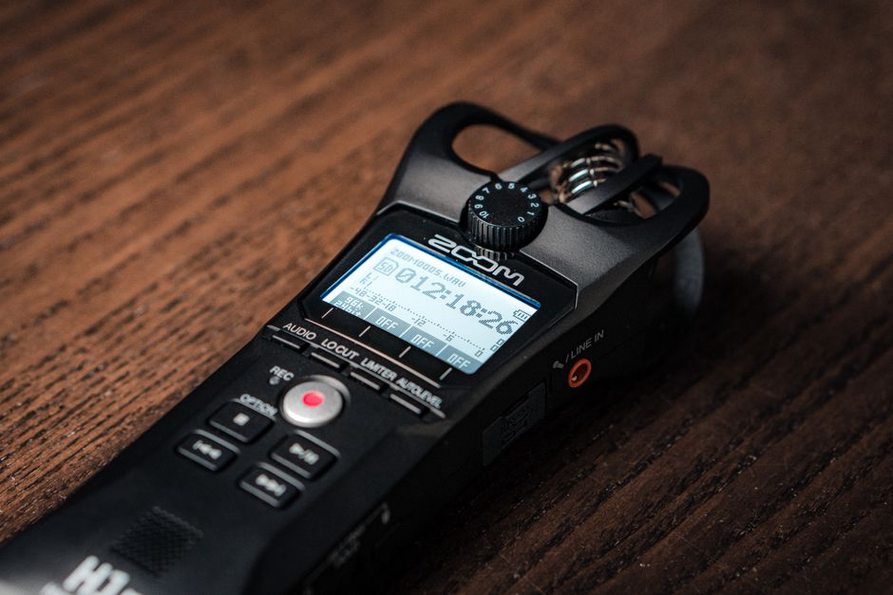
Some digital field recorders create filenames automatically using the date and a prefix. The Zoom H2n, for instance, uses "ZOOM0001" but can be renamed. The Sony PCM-D100 uses "D100". But "tech" isn't a default prefix from any major brand. It's a user-defined label, which suggests the recorder was modified or the file was renamed manually. In cassette culture, "tech" could refer to a specific tape deck or a custom recording chain. The date 20151003 might be the day a particular microphone was built or a cable was soldered.
Table: Possible Interpretations
| Interpretation | Evidence | Likelihood |
|---|---|---|
| Field recording date | Common practice in noise archives; no artist credit | High |
| Hardware test/calibration | "Tech" as shorthand for technical; date of test | Medium |
| Firmware/batch code | Rare; usually not in audio file names | Low |
Why This Matters for Collectors
For anyone who trades noise files, encountering a filename like this forces a decision: keep the original name or rename it? The answer is almost always: keep the original. The code is a fragment of the recording's context. Changing it would erase the trace of the date, the device, the archivist's logic. In the Japanese noise underground, the absence of graphic design or liner notes is compensated by the presence of such filenames. They are the only metadata. They tell you, if you know how to read them, that the recording was made on a specific day, perhaps with a specific piece of equipment. The fact that the name is "tech" rather than "field" or "live" suggests a functional origin—maybe a musician testing a new microphone or a self-built oscillator.
If you find a file named tech 20151003.wav or tech 20151003.mp3 in a shared folder, don't delete it. Listen to it. The content might be a one-minute burst of tape hiss, a feedback loop, or a field recording of rain on a metal roof. The date might be the only clue to its creator. Sometimes the sound itself is the archive, and the filename is the key.
Practical Steps for Decoding
- Check the file's internal metadata (if any)—sometimes the recorder writes the model name in the WAV header. Use a tool like
mediainfoorexiftool. - Search for the date in combination with known noise events: October 3, 2015, was the date of the Ftarri Festival in Tokyo? (No, that festival was in 2016. But check local show calendars.)
- Compare the file size and duration to known recordings from the same archivist. A short file (under 10 minutes) is likely a test; a long file (over 30 minutes) could be a live recording.
- Look for other files in the same folder with similar naming. If you see "tech 20151003" and "tech 20151004", the archivist was recording daily. That suggests a field recording project, not a one-off.
Decoding a filename like tech 20151003 isn't about finding a definitive answer—it's about understanding the habits of the people who created it. The underground doesn't operate on clear labels and press releases. It operates on shared codes, inside jokes, and practical necessities. The "tech" might be a private joke, a reference to a specific piece of gear, or simply a placeholder. The date is the only anchor. In a scene where anonymity is common, the date becomes the closest thing to a signature.
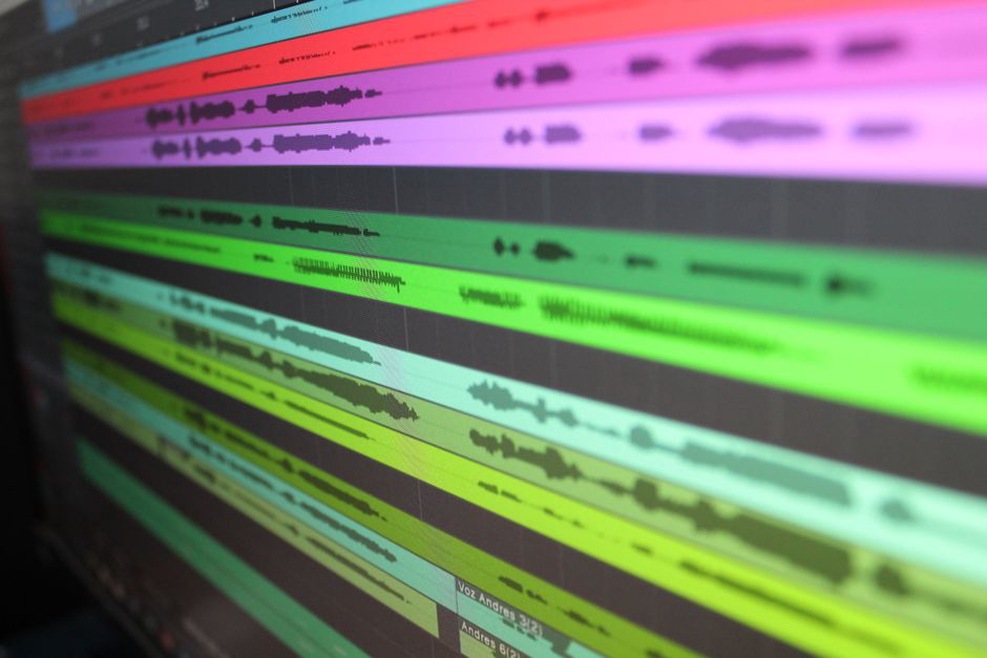
Next time you find tech 20151003, don't rename it. Load it into an audio editor and look at the waveform. A short, clipped waveform might indicate a test tone; a long, dynamic waveform could be a live recording. Compare the spectral content to known recordings from that era. The date is your starting point, not the answer. If you see other files with sequential dates like tech 20151004, you might be looking at a daily field recording project. That's the kind of detail that makes the underground worth digging through.