
The file named 't4.wav' appears in dozens of online archives of Japanese noise, often orphaned from any context. No artist, no label, no date.
Just two characters and a format extension. It's not a rare anomaly — it's a symptom of how much of the underground cassette culture was digitized and uploaded without metadata. The string 't4' could mean anything: track four, tape four, a fragment of a longer title truncated by a character limit, or simply a sequential index assigned by someone who never intended the file to be found.
For the collector, encountering such a file is a test of patience and method. The usual approach — searching the filename on Discord servers, Soulseek rooms, or indexed blogs — rarely yields results. 't4' is too short to be unique.
The same tag could belong to a harsh noise wall piece from Osaka, a field recording of a Shibuya construction site, or a drone improvisation recorded on a four-track cassette. Without a folder structure or a companion text file, the file remains a floating signifier.
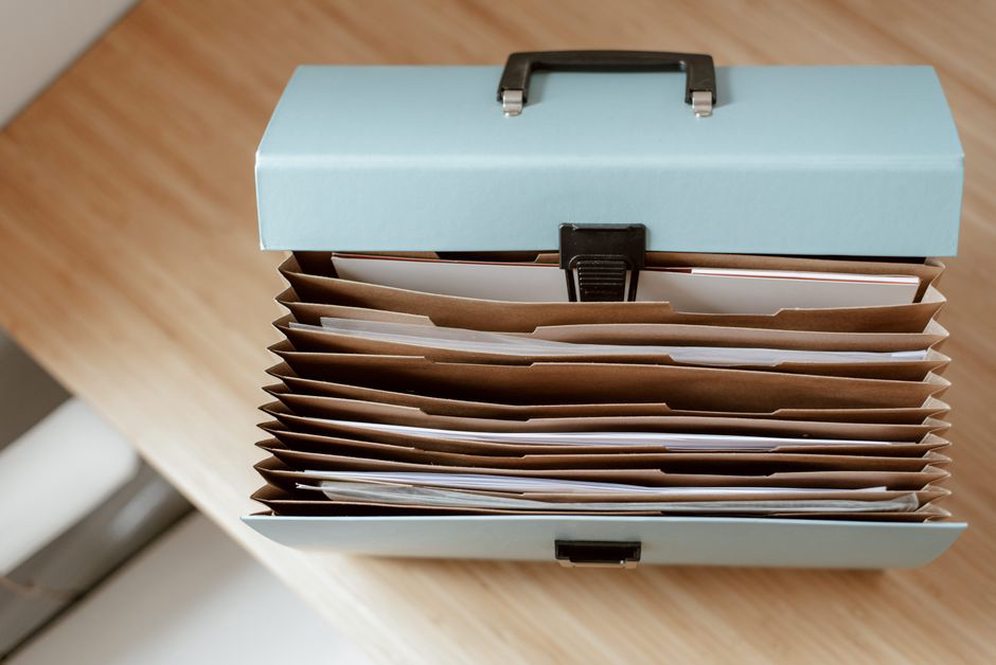
What the Two Characters Reveal
The short name 't4' isn't an accident. In the early 2000s, when many of these files were first shared on peer-to-peer networks or uploaded to free web hosting, bandwidth and storage were limited. A minimalist filename reduced the risk of corruption and made the file easier to fit into an 8.3 naming convention on older systems.
But more than that, the anonymous distributor had no reason to label it descriptively. The act of sharing was itself the statement. The sound was meant to be heard, not catalogued.
This fits the DIY ethos of Japanese noise: the rejection of commercial packaging, the deliberate erasure of artist identity, and the focus on the raw auditory experience. 't4' is not a title; it is a residue of a system that valued anonymity over branding. It is the digital equivalent of a plain white cassette with a handwritten number in pencil.
How to Approach a File Like 't4'
If you stumble upon a file named 't4' in your collection and want to reconstruct its origin, there are a few concrete steps that do not rely on speculation:
- Inspect the file properties — The creation date, last modified date, and size can offer clues. A file of 40–50 MB suggests a 10–12 minute track at CD quality; anything under 10 MB is likely a short excerpt or a low-bitrate MP3 conversion. The original system clock may be wrong, but the file can sometimes be cross-referenced with known upload batches.
- Analyze the spectral content — A quick spectrogram view can reveal hiss, clipping, or frequency cutoffs that hint at the recording medium. Cassette fourth-generation copies show a roll-off above 12 kHz; DAT transfers retain a cleaner high end. These fingerprints help narrow down the source era.
- Compare with known archives — Some online databases index noise files by hash or by partial filename. While 't4' is too generic for a direct match, a combination of file size and spectral profile can sometimes appear in a list of files that were part of a single upload pack. This is tedious work, but it is the only way to move from a cryptic label to a plausible context.
For a deeper dive into the logic behind anonymous noise filenames, the article Decoding sludge001 min: The Hidden Language of Japanese Noise Filenames examines how pattern-based naming systems (like 'sludge' series) often carry internal codes that are illegible to outsiders. The same principle applies to 't4' — but without additional sequential files, the code is broken.
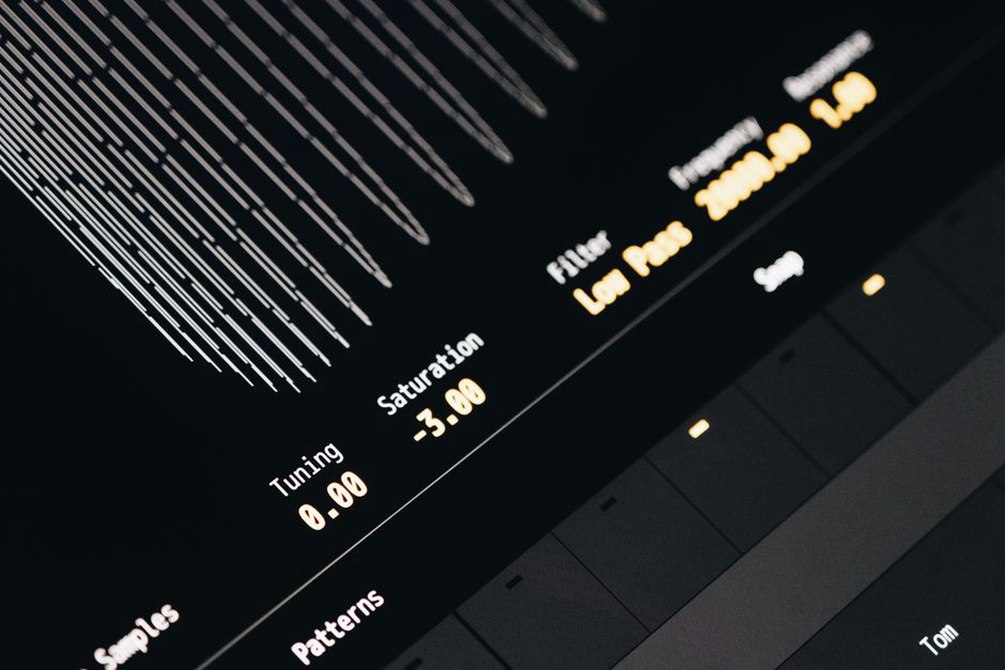
The Role of Orphaned Files in the Noise Archive
Files like 't4' aren't outliers — they're the norm. Most of the Japanese noise that circulated on CD-Rs and cassettes in the 1990s and early 2000s never received a proper discography entry. Cheap digital storage made it easy to dump entire folders online without any indexing.
As a result, the archive is filled with fragmentary evidence — a file here, a split-second of a live recording there. The collector who insists on complete metadata will miss the point. The music exists despite the lack of context.
This isn't an excuse for sloppy archiving — it's just how things are. The file 't4' is not a mistake; it is a trace of a specific moment in the distribution chain. Someone, somewhere, decided that this file deserved to be copied and passed on, but they did not bother to annotate it. Whether that decision was laziness, ideology, or simply a lack of time is unknowable. What remains is the sound itself.
A Practical Note for Collectors
If you maintain a personal archive of Japanese noise files, try adopting a naming convention that includes the source (e.g., 't4_[unknown]_[CDR_2002]'). This small addition does not violate the spirit of anonymity — it simply adds a layer of provenance. The next person who finds your files will have a slightly better chance of connecting 't4' to its original context. The goal is not to force a complete catalog, but to reduce the number of orphaned files that litter the underground.
Next time you come across a file named 't4', check its bit depth and sample rate. If it is 44.1 kHz 16-bit, it likely comes from a CD-R transfer; 48 kHz could indicate a DAT source. That kind of narrow, verifiable detail can anchor a floating file to a specific recording medium. It is not a full biography, but it is a start.