
Some files arrive with a name that refuses to settle into meaning. sound follies2 ver cs2 is one of them. It appears as a folder or a single audio file in archives circulated among collectors of Japanese noise, often alongside the sludge series and other anonymous dumps. The filename is long enough to suggest a deliberate structure, yet each component resists a single reading. No label, no artist name, no date. Just the name itself.
Parsing sound follies2 ver cs2 means working through the naming habits of an underground that seldom explains itself. The filename breaks into three parts: sound follies, the numeral 2, and the tag ver cs2. The use of spaces—rare in many noise archives that compress everything into underscores or no separation—suggests a certain care. This is not a random concatenation of characters. Someone named this file with an internal logic, even if that logic remains opaque to us.
Breaking Down the Name
The filename consists of three main parts: sound follies, the numeral 2, and the tag ver cs2. The use of spaces—rare in many noise archives that compress everything into underscores or no separation—suggests a certain care. This is not a random concatenation of characters. Someone named this file with an internal logic, even if that logic remains opaque to us.
“sound follies” — A Project or Concept?
“Follies” carries architectural and theatrical overtones. In architecture, a folly is a decorative building with no practical function. In performance, a folly is a revue or a light entertainment piece. Applied to sound, the phrase evokes structured absurdity, perhaps a series of experiments that are knowingly pointless. It might refer to a specific set of field recordings or electronic pieces that play with expectation. The lowercase “sound” is typical of DIY aesthetics—no capital letters, no branding. If sound follies1 existed, it has not surfaced in the same circulation, or it used a different naming scheme.
“2” — Iteration or Side?
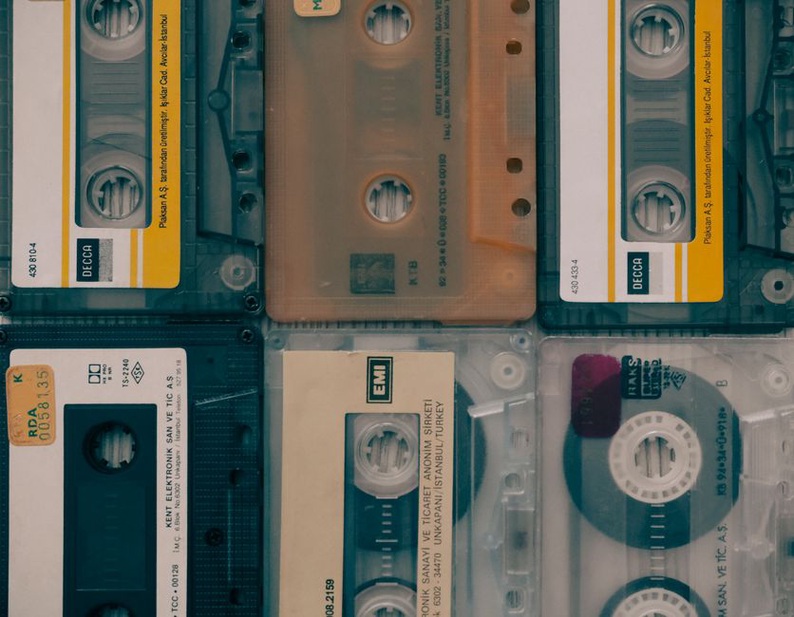
The numeral 2 could mean the second part of a series, the second track, or the second side of a cassette. In cassette culture, numbering often designates side A and side B. A file named sound follies2 might be the second side of a release that never had a published first side—or the second iteration of a project that began elsewhere. The ambiguity is typical.
“ver cs2” — Version, Cassette, or Something Else?
This part is the most puzzling. “ver” almost certainly stands for “version.” In software and DIY music, versioning is common: ver 1, ver 2, ver final. But “cs2” is less clear. Three plausible readings exist:
- Cassette Series 2. Many small labels number their compilation series as CS-01, CS-02. A file named ver cs2 could be a version designated for the second cassette in a series.
- Cassette Side 2. “CS” commonly means “cassette side” in track listings. “cs2” would then mean “cassette side 2,” making the full name “sound follies 2, version for cassette side 2.” This is redundant—why specify the same side twice?—but redundancy occurs in archives.
- Counter-Strike 2? A jokey or accidental reference to the video game. Unlikely in a Japanese noise context, but not impossible if the file was part of a personal collection that mixed sound experiments and game audio.
A fourth possibility: “CS” as an abbreviation for “compilation series” used by a specific anonymous producer. We have seen similar tags in other filenames, such as sludgemix001fix w520, where a fix version and a hardware identifier appear. In that case, the tag carried material context—the file might have originated on a specific device. Could “cs2” indicate a configuration or a recorder? Without metadata, we cannot know.
For comparison, the blog has examined other cryptic noise filenames that share this kind of embedded versioning. The article The Mystery of sludge002 min: Decoding a Japanese Noise Blog Filename shows how the suffix “min” likely indicated a minimal or edited version. In that case, the filename held a trace of the editing process. sound follies2 ver cs2 might hold a similar trace—a version label that once made sense to its creator.
Context: What Do We Know About the Archive?
The file is often found in folders labeled with dates like “2005_12” or “untitled_folders,” mixed with other anonymous audio files named track01.wav, kikaku.wav, or fragments of the sludge series. It is rarely accompanied by a text document or cover art. The lack of context is itself information: whoever distributed this file did not value context. The focus was on the audio, or perhaps on the act of distribution itself.
Listeners who have obtained a copy of sound follies2 ver cs2 describe the content as a long-form drone piece with occasional field recording intrusions—footsteps, distant radio, a door closing. The texture is lo-fi, possibly recorded on a portable cassette recorder or a consumer minidisc unit. The quality matches the aesthetic of the Japanese noise underground in the early 2000s, when many musicians used accessible consumer hardware and avoided professional studios. This connects to the broader practice of using everyday recording devices for experimental purposes, a subject explored in the article The Olympus Digital Camera 6: Accidental Field Recorder of Japan's Noise Underground.
The Culture of Versioning in DIY Noise
Why version a noise piece at all? In the commercial music world, versioning is about releases—album version, single edit, radio mix. In the DIY noise scene, versioning often reflects the iterative process of live recording and editing. A musician might record a piece multiple times on the same tape, overwriting earlier takes, then save the final mix with a version number. Alternatively, a small-run cassette label might issue “version 2” of a compilation after remastering or correcting a manufacturing error.
For the collector, ver cs2 raises the question: is this the second version of a file that exists elsewhere as sound follies2 ver cs1? If so, the differences could be minor—a gain adjustment, a different take—or substantial—a completely different piece using the same title. Without the first version, we can only compare the file against itself. The sludge series, for instance, included multiple versions with suffixes like fix, min, and cass, each indicating a distinct process stage. The article sludge003 2: The Cryptic Folder Name That Defines Japanese Noise Underground discusses a similar numeric suffix that may denote a second pressing or a side of a disc.
Practical Guide for Collectors
If you encounter sound follies2 ver cs2 in a wild archive, here is how to approach it without losing context:
- Do not rename the file. The filename is the primary metadata. Change it only after you have preserved a copy with the original name.
- Check the directory neighbors. Other files in the same folder may share the “sound follies” prefix. If you find sound follies1 ver cs1, the series becomes partially legible. If the folder contains only this one file, the name is a orphan.
- Analyze the audio. Listen for clues: tape hiss level, recording format (mono vs. stereo), possible pitch drift. A file labeled “cs2” might have a different frequency response if it was recorded on cassette side 2—often noisier due to tape wear.
- Check the file’s creation date. In some archives, the date is preserved from the original medium. A date before 2000 might indicate a later digitization; a date after 2005 might be original digital recording.
- Search for other copies. The same file may appear under different names in other archives. A hash comparison can reveal if sound follies2 ver cs2 is the same audio as track 02.wav from a different source. This helps map the distribution history.
None of these steps will decode the meaning of the name with certainty. That is not the goal. The goal is to treat the file as a primary source—a fragment of a larger, undocumented practice of making and sharing sound. The name is part of the artifact, not a key that unlocks it.
Listening to the file reveals a specific recording environment: a room with a window open, a distant train passing, the scrape of a chair. The drone shifts subtly, as if the tape was recorded on a portable deck that picked up the room’s ambient temperature changes. The name may never decode, but the audio itself carries the context. For collectors, the best practice is to preserve the filename as metadata and share the audio exactly as found. That’s the only way to keep the artifact whole.