
You download a file called release7.zip. No artist name. No label. No year. Just a number tacked onto a generic word. Anyone who's spent time on Japanese noise blogs — those half-dead WordPress sites with a single admin and a domain that expired years ago — knows this pattern. That's not a glitch. It's a deliberate reduction: metadata stripped down to the bare minimum, a sequential index. It's a file that asks nothing of you except to be heard — or ignored.
The Logic of Numbered Releases
Numbered releases pop up on dozens of distro blogs, often alongside names like "product mix002" or "mono057". The "7" isn't an order number or a catalog code. It's a placement tag — the seventh file uploaded under "release" in one session. The numbering resets arbitrarily, sometimes tied to a single upload spree. One blog might have release1 through release12 in a folder, then nothing for months, then release1 reappears on a different server. The logic is local, not universal. There's no central authority assigning these numbers; each blog runs its own numbering system.
The result is anonymity. Without a musician's name or label imprint, the recording could be any cassette in the sequence. You can't approach it with preconceptions. No branding means you focus on the sound — if there is any. Many of these files are just a single untitled track of drone or noise, no text file, no scan, no documentation. The release is the audio, and the audio is a number. You either listen or you don't.
Why No Artist?
Why no artist? A few explanations, none exclusive:
- Oblivion as intention: The musician may have chosen to remain nameless, using the distro as a dead drop for anonymous work. This is common in the noisier corners of the DIY cassette scene where identity is a distraction.
- Ephemeral distribution: The blogger uploaded the file without editing the default post title, planning to fill in details later — but never did. The blog died, the data remained.
- Batch processing: Files were generated from a template that incremented a counter automatically. The system output release7 because seven raw recordings were dropped into a folder that day. No curator touched the metadata.
- Anti-archival stance: Some Japanese noise practitioners actively resist the commodification of their work. A numbered filename is as close to anti‑marketing as digital distribution allows. It says: this is a thing, not a product.
The fourth reason is the most interesting. It turns the collector's impulse against itself. You want to know who made it, when, on what gear — but the file gives you nothing. It refuses to satisfy curiosity. It just exists. Each explanation points to a different kind of indifference — to fame, to completeness, to the market.
The Collector’s Dilemma
A numbered release creates a cataloging problem. Your music library expects an artist, a title, maybe a year. Release7 gives you nothing. Some collectors tag it as "Unknown Artist – Release 7" and move on. Others keep the original filename as the only identifier, preserving the exact string from the blog. That second approach feels truer to the source. The file isn't an album — it's a fragment of an unfinished index. It's a piece of a puzzle that may never be completed.
These numbered files often end up on the second page of a blog's archive, where the deeper cuts live — a phenomenon we covered in The Second Page: Where Japanese Noise Blogs Keep Their Secrets. To find them, you have to go beyond the front page. The second page is where the admin stopped caring about presentation. Release 7 sits there without a thumbnail or tracklist, waiting for someone to notice that its silence might hold more than just a null.
The Aesthetics of Anonymity
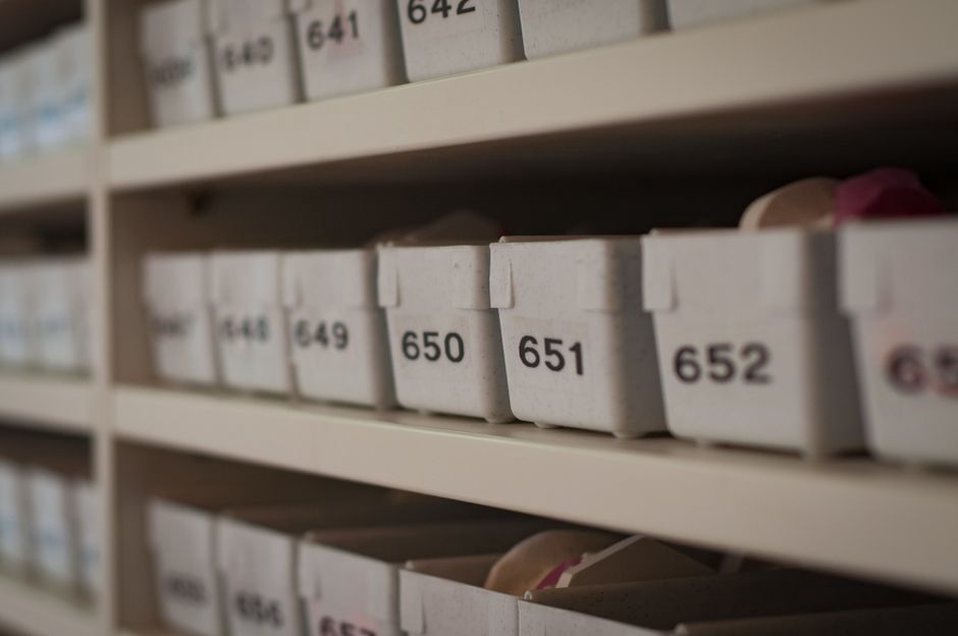
Some Japanese noise uses numbering not as a byproduct of sloppiness but as a deliberate compositional frame. The number is the title. The artist is either omitted or folded into the label name. You see this in underground labels that put out cassettes with typed labels showing only a number — no logo, no text beyond the digits. The cassette is a black shell with a white sticker. The object resists narrative. It doesn't tell you where it came from or why it exists.
When you come across release7 in the wild, don't rush to give it a context. Let it stay unclaimed. The sound inside might be a forty-minute drone recorded on a cracked mic, or just a folder with a JPEG of a circuit board. Both are valid. The number isn't a failure of information — it's information reduced to its essential form. An indexical gesture. A record of a record.
Next time you unzip a file named release7, think about leaving the metadata as is. Tag it with the original filename. Let the missing attribution be its most accurate attribute.