
Scroll through any Japanese noise blog archive from the late 2000s and you will encounter a file named "release release2.mp3" or a cassette spine reading simply "Release 2". No artist, no label, no year. The name is almost aggressively plain — a refusal to participate in the usual apparatus of identification. Yet this very blankness has become a recognizable signal within the underground, a marker of a particular kind of anonymity that the scene both tolerates and cultivates.
To a collector trained on Western noise — where even the most obscure tape usually carries a band name or a project title — the "Release" series feels like a dead end. But it is not a mistake. It is a deliberate cataloguing strategy, one that reveals how Japanese DIY culture handles scarcity, iteration, and the physical object itself.
The Name as Placeholder
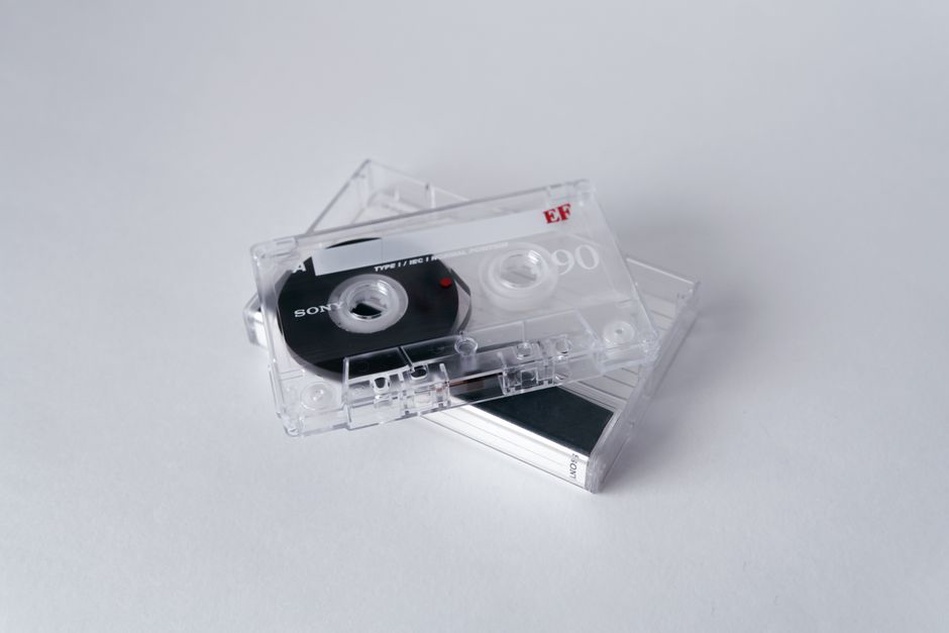
In the Japanese noise underground, many small-run cassettes were produced by individuals who had no interest in branding. A musician might make ten copies of a single session, write "Release" on the J-card, and move on. The word itself is functional — it announces that this object exists as a released recording, nothing more. The number that follows, often "2", may indicate a second edition, a second part of a session, or simply the second cassette that person ever made. Without a consistent numbering system across the scene, the semantics of the digit are ambiguous.
This ambiguity is not a flaw; it is a feature. The generic name forces the listener to engage with the sound rather than the mythology. In a scene where many releases are untitled or titled with a single kanji, "Release 2" is almost courteous — it tells you that there is a predecessor and possibly a successor, even if you will never find them.
Iteration or Mystery?
The numeral "2" poses a particular problem for archivists. Does it denote a second volume of the same project, a repress with minor changes, or a completely unrelated recording that happened to be the second item the author catalogued? In practice, all three scenarios occur. Some "Release 2" tapes are identical in content to "Release 1" except for a different cassette shell; others are entirely new compositions. The only way to know is to compare the actual audio — a task that becomes impossible when the first release has been lost or never digitized.
This uncertainty is compounded by the way Japanese noise blogs often present files. A single post might contain multiple "Release" entries, each with a different number, but the metadata inside the MP3 tags is usually empty. The filename itself becomes the only identifier. As noted in our examination of the second page of noise blogs, many such releases are buried under generic titles, accessible only to those who know exactly what to search for.
Cataloing Chaos
For a collector maintaining a digital library, a file named "release release2.mp3" is a nightmare. It conflicts with every other "release2" from different sources. The standard workaround is to rename the file using a hash of the audio data or to store it in a folder named after the original blog URL. But even this method fails when multiple blogs host the same file under different names.
Some collectors have turned to checksum databasess to disambuate. If two files labeled "release2" produce the same MD5 hash, they are duplicates; if not, they are distinct recordings. This approach, while reliable, requires a shared reference — something the underground rarely provides. A more practical tip for anyone building a personal archive is to note the exact byte length and bitrate at the time of download. These two numbers, together with the duration, often suffice to distiguish one anonymous release from another. For a deeper dive into managing such collections, our guilde on organizing a digital collection of Japanese underground tapes covers folder structures and metadata strategies.
The Aesthetics of Anonymity
The prevalence of "Release" titles is not merely a symptom of disorization. It aligns with a broader aesthetic in Japanese noise that values the object over the author. Many musicians in the 1980s and 1990s deliberately obscured their identities, using pseudonyms, no names, or simply the name of the cassette label. A title like "Release 2" continues that tradition: it presents the recording as a pure artifact, stripped of personality and biography. The listener is left with nothing but the sound and the physical tape — or, in the digital realm, the file.
This stands in contrast to the Western noise scene's tendency toward elaborate packaging and artist branding. Japanese underground labels, especially those operating on a DIY basis, often saw the cassette as a disposable medium. A handwritten label, a generic title, a run of five copies — that was enough. The scarcity itself became part of the work's meaning.
Practical Steps When You Find a Release2
If you encounter a file named "release2" in the wild, treat it as a fragment. First, check the file's creation date — if it is embedded in the MP3 header, it may hint at the original upload date. Second, look for accompanying text files or comments on the blog post. Even a one-line note like "second session, same gear" can provide context. Third, compare the duration and waveform against any other "Release" files you have. A sudden change in spectral density might indicate a different recording environment.
Finally, accept that some releases will never be fully identified. The ambiguity is part of what makes the Japanese noise underground compelling. A file named "release release2" is not a mistake; it is a deliberate act of reduction. The only honest response is to listen to it — and maybe keep a copy in a folder labeled "Unknown".