
The number 012tt appears on spines and J-cards with no logo, no website URL, and no manifesto. Among cassette collectors in the Japanese underground, it has become shorthand for a specific approach: the tape is not a storage vessel for music that could just as easily exist on digital. It is the final constraint that shapes the sound itself. To understand 012tt, you first have to throw out the usual narratives about cassette culture — warmth, nostalgia, lo-fi grit. The label’s output suggests something closer to a functionalist design philosophy.
What 012tt Actually Is (and Isn’t)
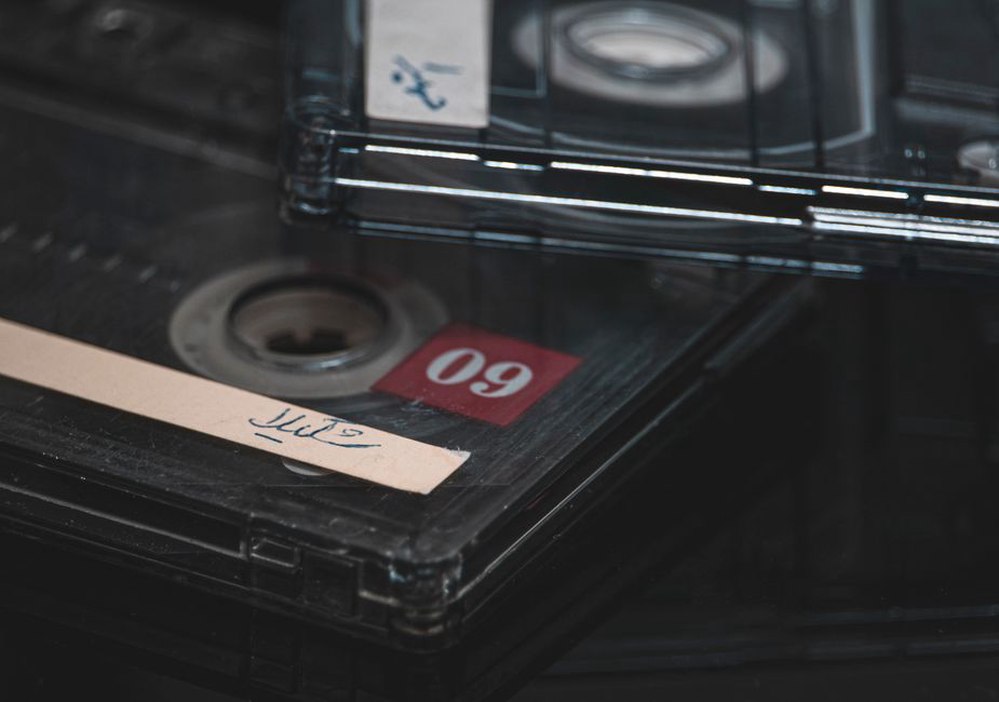
012tt is a DIY cassette label based in the Kansai region, active roughly since the late 2010s. It releases editions of 30 to 50 copies, typically in hand-assembled, photocopied sleeves. No two releases share the same cover stock or insert layout — each one is bespoke to the point of refusing brand recognition. The catalog leans toward drone, electroacoustic composition, and treated field recordings, but the label’s identity is less about genre than about a shared constraint: every track must be composed for, or in response to, the limitations of the C20 cassette shell.
That means the total duration of each side cannot exceed 10 minutes. In practice, most releases average 7 to 9 minutes per side, leaving a few seconds of leader tape at the ends. Rather than fighting this limit, the artists on 012tt treat it as a formal parameter, similar to the way a haiku poet works within a syllable count. The result is music that often feels compressed in time but expanded in space — dense layers that decay quickly, faded drone tones that reach a focal point just before the tape mechanism clicks off.
Why the Standard Cassette Label Model Misses the Point
Most commentary about Japanese cassette labels emphasizes the ritual of hunting for physical objects — the thrill of a Tower Records second-hand bin, the mystery of a package arriving from an address in Osaka. 012tt subverts that. The label does not have a public sales channel. No Bandcamp page, no BigCartel storefront, no distro drop. Trades happen through direct contact at live shows in Kyoto and Osaka, or through a network of mutual acquaintances in the field-recording community. The first time many listeners encounter a 012tt tape is when someone plays it at a listening party or a small venue. The tape becomes a social object before it becomes a commodity.
This refusal to produce for an anonymous online buyer forces a specific kind of attention. A collector cannot browse a catalog and make a rational decision based on genre tags or Bandcamp player previews. Instead, one must attend a show, meet the person who runs the duplicator, or receive a tape from a friend. The music thus enters circulation through word-of-mouth and live audition, which in turn shapes what kinds of sounds the label can release. Music that depends on high-contrast dynamics or extreme stereo panning, for example, would translate poorly in a small club setting — so it doesn’t appear. The label self-selects for music that works in a shared, imperfect acoustic space.
The Catalog as a Case Study in Restrained Sound
Take the third release, often referenced among enthusiasts as a pivot point. It contains three untitled pieces by a single artist using amplified zither and contact microphones. Each piece occupies roughly eight minutes. The first builds from a single sustained tone, slowly introducing sympathetic vibrations from the zither’s body. The second uses what sounds like a piezo pickup taped to a steel plate, creating a resonant hum that shifts pitch as the plate is bowed. The third is almost silent — the faintest scratch of a fingernail on the microphone casing, repeated for two minutes before giving way to room tone. What matters here is not the virtuosity of the performance but the way the duration creates tension. Because each side must end at ten minutes, the listener knows the piece will resolve or fade before the tape runs out. That knowledge changes how the piece is heard — not as an open-ended drone meditation, but as a timed event.
Listeners familiar with the work of Toshiya Tsunoda or the early output of the WrK label will recognize the approach to listening environment as part of the composition. 012tt does not duplicate that aesthetic, but it shares an interest in setting boundaries that force both artist and audience to commit. The short runtime means no piece can meander. There is no room for filler or 30-second transitions. Every sound included must earn its place within the structural window.
Collecting 012tt Without Speculation
Because the editions are small and the label has no e-commerce presence, secondary market prices have risen in the last two years. Tapes that originally sold for 500 to 800 yen now appear on Yahoo Auctions or private Discord exchanges for 3,000 to 5,000 yen. A few releases have been reissued as digital files — the label operator, who prefers not to be named, uploads occasional “archive rips” to a free file host with no tracklist or cover art. These rips circulate in small Telegram groups and are often deleted after a week. There is no master list. The only way to know whether a particular release has been digitized is to ask someone who knows.
For a collector, the practical advice is simple but contrary to how most people acquire music today: do not try to collect the full catalog. The label’s lack of documentation means that even the artist behind release #007 is not publicly confirmed in any reliable source. Attempting to complete a set leads to frustration and conflates monetary chase with aesthetic experience. Instead, treat each tape as an encounter. If you attend a show in Kyoto and someone hands you a plastic case with “012tt” handwritten on the spine, listen to it the same evening. Do not put it in a storage box. The tape will degrade over time — that is part of the work.
Practical Craft Notes for DIY Label Operators
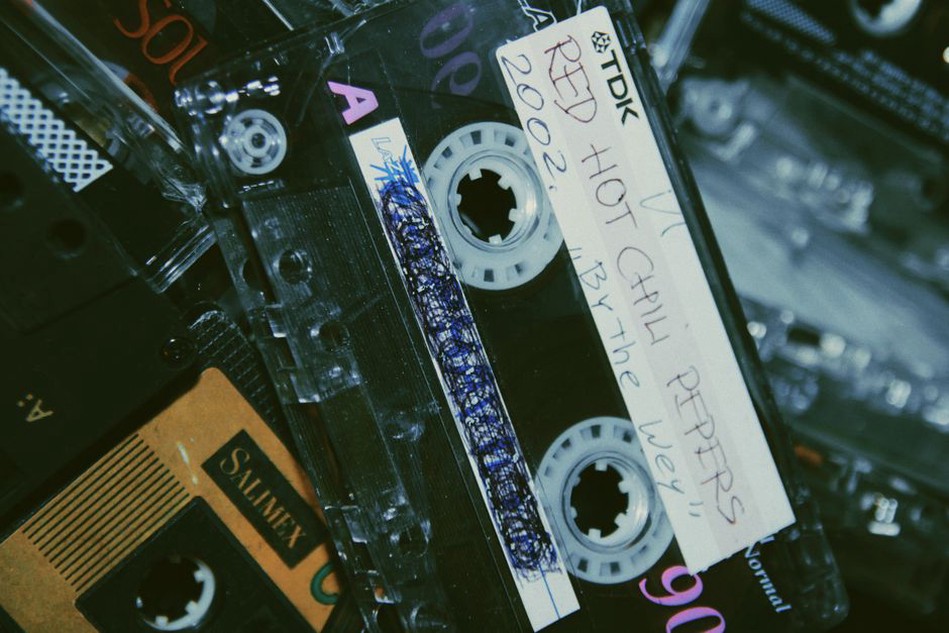
If the reader runs a small tape label, 012tt offers three concrete lessons that transfer to any context. First, the physical object should not mimic a CD or a digital file. A C20 shell is not a compromise — it is a format decision that should influence the music it carries. Second, remove choice. When a potential listener has to search through a Bandcamp page with thirty releases, they listen with their eyes first. 012tt’s method of live-only distribution means the music is never background. The listener is there, in the room, when the tape is cued. Third, treat every copy as unique. Even if two releases use the same blank tape stock, the label varies the insert paper, the stamp ink color, or the way the J-card is folded. Small variations in production become details that reward close attention — the opposite of industrial uniformity.
The Art of Not Being Found
A search for “012tt” on the usual Japanese music databases yields a few scattered discogs entries, most of them incomplete or submitted by users who guessed at release dates. The label does not appear on any blog written in English. There are no interviews. The name itself may be a puzzle — 012 likely refers to a phone area code or a serial number, and “tt” could stand for “tape transfer” or simply be a stylistic abbreviation. No one has confirmed it. What remains is the object itself: a clear-shelled cassette with a typed label, recorded in real time on a Nakamichi deck, passed hand to hand in a city where the night trains stop running at midnight and the vending machines glow in the quiet streets of Shimogamo.
To listen to a 012tt release is to accept that you may never know the name of the person who recorded it. That anonymity is not an affectation. It is a function of the label’s design — a way of keeping the music tethered to its moment of creation rather than to a biography. The tape begins, runs for ten minutes, and stops. What happens afterward is outside the work’s concern.