
If a rescue says a dog is “good alone,” ask how long the dog was left, where it stayed, and how anyone knew it had settled. An hour’s nap in a foster home with another dog nearby tells you little about how that dog will cope with four hours on its own in an apartment. The difference matters if your workday, rehearsal schedule, or housing agreement leaves little room for trial and error.
What has the rescue actually observed?
Ask who knows the animal best and where they’ve spent time together. Kennel staff may be able to describe how a dog responds to handling or unfamiliar people. A foster carer might know what happens when the doorbell rings, when someone prepares food, or when the household goes to bed. Both accounts are useful, but neither tells you how the animal will behave in your home. Ask what the rescue has seen firsthand, what came from a previous owner, and what’s still unknown.
- What does a normal day look like? Ask about meals, walks or play, rest, toilet habits, and how much company the animal usually has.
- What happens when the animal is startled or frustrated? Ask what happened just before the reaction, what the animal did, and how long it took to settle.
- Has the animal bitten, scratched, escaped, or guarded something? Ask what happened, whether anyone was injured, and what precautions carers take now.
- What does the animal do when left alone? Ask whether anyone watched in person or on camera, and whether they saw or heard barking, pacing, hiding, or house soiling.
Gaps in an animal’s history are common. The question is whether you can live with what you don’t know and manage what might happen. A cat with no known history around dogs isn’t necessarily a poor match, but a blank on the intake form isn’t evidence that the two can safely share a room.
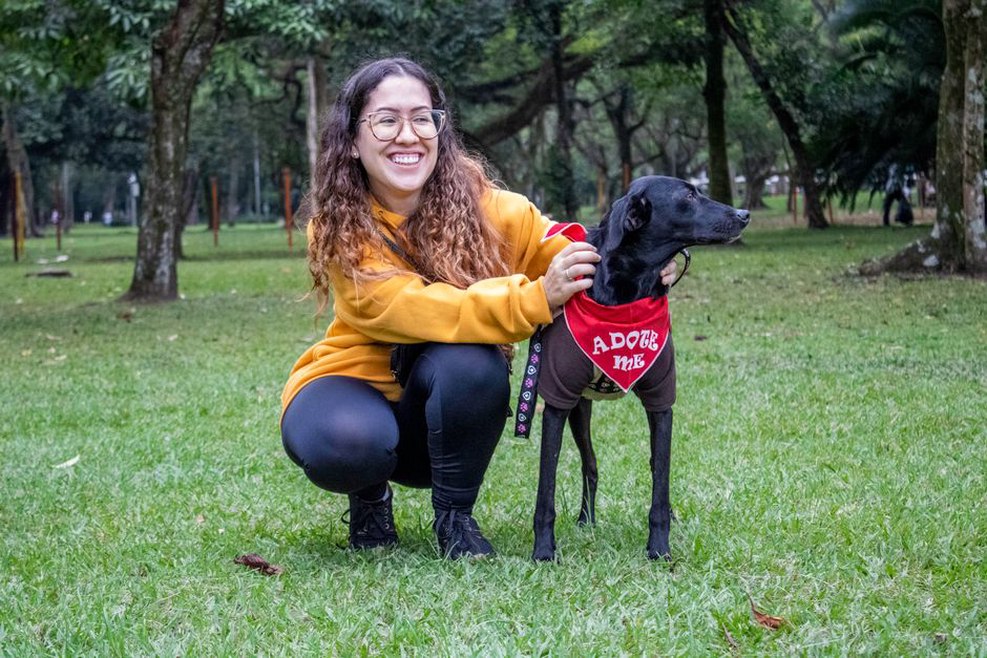
Can the animal rest in the home you actually have?
Describe what your home sounds like on a busy day. Think about footsteps in the shared stairwell, the delivery buzzer, people coming in late, and any recording or rehearsal you do at home. If you listen back to low-frequency drone through speakers or test tape loops that jump in volume, don’t take a pet’s tolerance of conversation or television as a guide. Ask how it reacts to appliances, sudden knocks, or sounds that go on for a while. If it’s free to leave, does it?
Work out where the animal can sleep undisturbed while you play or record. A spare room is only useful if the animal can get into it when it needs to and shutting the door actually cuts the noise. In a one-room home, headphones or rehearsing elsewhere may make more sense than moving the bed farther from the speaker.
Don’t use a loud session to see what a newly adopted animal will tolerate. Keep the routine quiet at first and watch for changes in behavior as ordinary activity resumes.
What is known about children, visitors, and other animals?
When a rescue says an animal “lived with cats,” ask if they shared space calmly or were kept apart. If children visited, how old were they? What happened when they moved quickly or approached the animal where it was resting? A brief meeting with a calm adult tells you little about how a pet will respond to a toddler or to different musicians carrying equipment through the front door.
Ask how the rescue handles introductions and what would prompt staff to stop one. A supervised meeting can help you assess two dogs, but a calm encounter away from home doesn’t tell you how they’ll behave around food or beds. If you have a cat and are considering a dog, ask whether your home allows for secure separation during a gradual introduction. If you keep birds or small mammals, think about whether you can keep them apart long term. One supervised encounter isn’t proof that they can safely share space.
Which medical costs are known, and which are still open?
Request the veterinary records before committing. Check which vaccinations, parasite treatments, and procedures are documented, what tests were done and why, and what’s due next. Ask about medication, special food, dental concerns, and any symptoms or abnormal findings still being investigated. “Seen by a vet” doesn’t mean every concern has been resolved. If follow-up care is booked, get the date and find out who pays.
Budget beyond the adoption fee: food, litter or other supplies, routine care, and any dog walking, pet sitting, or boarding you’ll need. Ask a local veterinary practice what it typically charges for a first visit and where it sends urgent cases after hours. If you’re considering insurance, check the waiting periods and how the policy treats pre-existing conditions before counting on reimbursement. For a known chronic condition, get the current treatment schedule so you can estimate the ongoing cost and the time it will take.
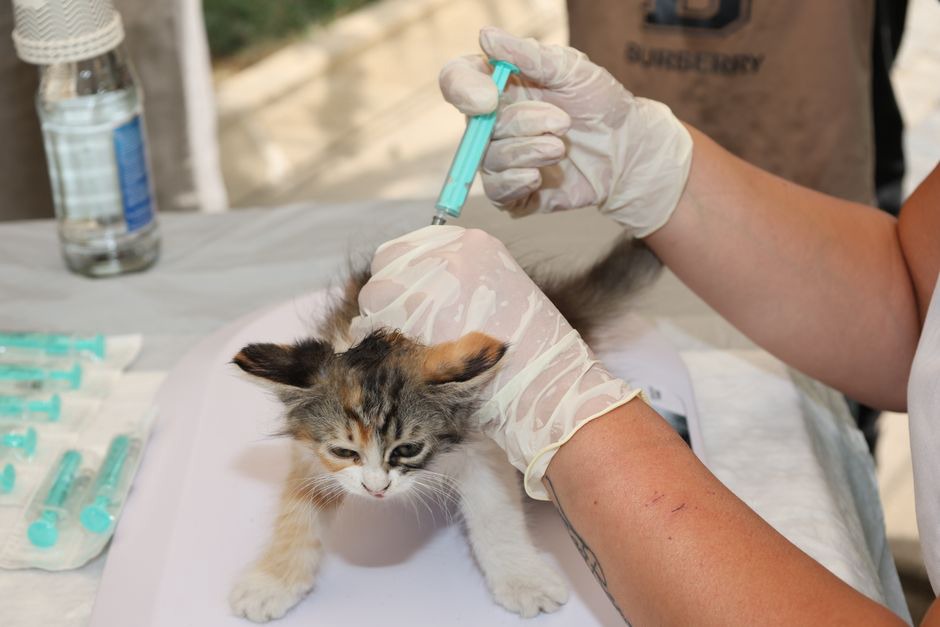
What will the first weeks require?
Ask the foster carer or shelter to write down the feeding schedule, the cues the animal knows, and the equipment it already tolerates. Find out what helps it settle after a fright or a stressful day. A cat that hides after a move may need a quiet room where it can reach food, water, and litter, not a succession of visitors trying to coax it out. A dog that has slipped out of its walking gear before may need a specific setup and a clear rule about who opens the front door when people are loading in equipment.
Think through a normal weekday once any time off ends. Who takes the dog out at midday if a session runs over? Who gives the pet its medication if you’re away overnight making field recordings? If the animal hasn’t been left alone for as long as you’ll need, ask what help the rescue offers with building up that time, and budget for backup care while you do.
Ask which changes warrant a call to the vet. Not eating or having trouble urinating shouldn’t be written off as part of settling in.
What does the adoption agreement say if things don’t go to plan?
Read the agreement before pickup. Check whether it restricts transfer to another household, requires you to return the pet to the rescue, or sets conditions for a trial placement. If there’s a foster-to-adopt period, ask who can authorize treatment, who pays for an emergency visit, and when you have to make a decision. Get your housing rules in writing, too, including any limits on the number, size, or species of pets.
Get the name of someone you can contact after adoption and ask what they can offer: advice over the phone, a referral, or hands-on help with an introduction. Before you leave with the animal, check the microchip number against the paperwork and confirm who will update the registry. If the rescue is handling the transfer, ask when you’ll get confirmation and which phone number will be on file until then.